
 1 / 3
1 / 3Avelta genuine part · AVL-DMP
Chimney
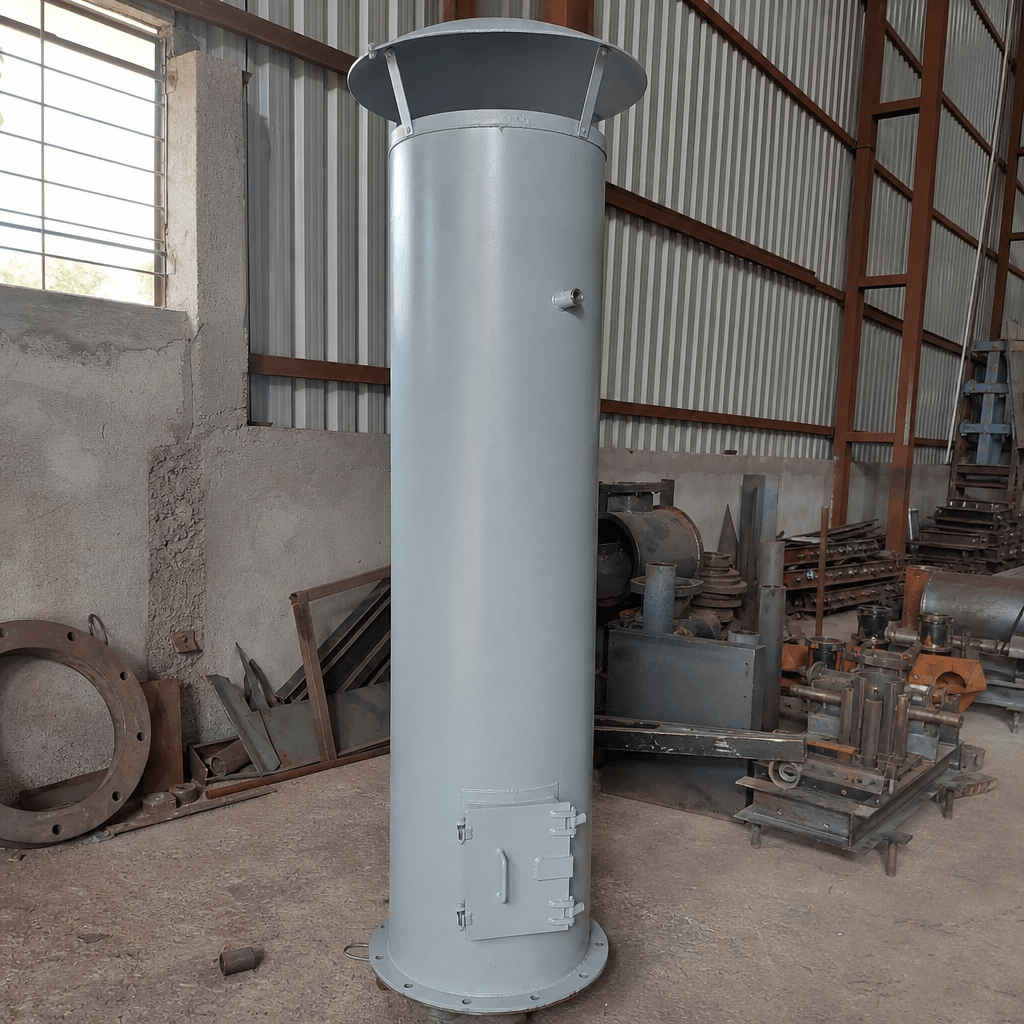
Fabricated steel exhaust chimney stack venting cleaned flue gas from the baghouse outlet to atmosphere at compliant dispersion height.
Enquire about this part
Fast response · genuine fitment · worldwide dispatch
At a glance
| Shell Diameter | 400–1,000 mm (baghouse outlet matched) |
|---|---|
| Shell Wall Thickness | 4–6 mm IS 2062 / ASTM A36 |
| Liner Option | 304 stainless steel, 2 mm (sulphur-bearing fuel / coastal sites) |
| Stack Height Above Baghouse Outlet | 8–18 m (site and permit dependent) |
| Operating Gas Temperature at Stack Base | 80–160 °C |
| Sample Port | 50 mm NPT boss, 1.5 m below apex |
| Base Flange | 10 mm flat-face, matched to baghouse outlet pattern |
| Surface Finish | Sa 2.5, epoxy primer + 200 °C-rated heat-resistant topcoat |
Overview
The chimney is the vertical or near-vertical steel stack through which cleaned exhaust gas exits the pollution-control unit and is discharged to atmosphere at sufficient elevation for dispersion. On the AVL-DMP it is positioned at the clean-air outlet of the baghouse or wet scrubber and is typically 8–18 m tall above the baghouse roof, with the total installation height determined by local environmental authority dispersion calculations and site elevation above surrounding grade.
Although the gas entering the chimney has passed through the dust collection system and carries substantially lower particulate loading than the raw drum exhaust, it still contains traces of moisture and fume, and in some fuel conditions minor concentrations of sulphurous compounds. The chimney's inner wall surface is therefore subject to acid condensation during startup and shutdown when gas temperatures are below the dew point, and material specification must account for this exposure.
Function
The chimney provides the final dispersion point for plant exhaust. Its height determines the ground-level concentration of residual pollutants at the site boundary and is the primary parameter controlled by site environmental permits. At normal operating gas temperatures of 80–140 °C at the stack base after a modern baghouse, buoyancy provides additional draught that reduces the ID fan operating load. An undersized chimney diameter creates excessive back-pressure, reducing filter differential, increasing fan power consumption, and risking gas leakage at duct joints upstream. A chimney that is too short may concentrate fumes on the work site and fail local dispersion modelling requirements.
Construction & quality
Fabricated from 4–6 mm mild steel (IS 2062 / ASTM A36) for the main cylindrical shell. A stainless-steel liner option in Grade 304, 2 mm, is available for plants burning sulphur-bearing fuels or operating in high-humidity coastal environments where condensate corrosion is a service risk. Standard equipment includes: a flanged base plate matched to the baghouse outlet flange; a hinged weather cap (rain cowl) at the apex; a 300 × 400 mm hinged access door at the base for internal cleaning; a 50 mm NPT sample port boss located 1.5 m below the apex for stack-emission monitoring equipment; and red-and-white aviation visibility banding (600 mm bands) painted on the top section where required by local authority. External surface: Sa 2.5 blast, two-pack epoxy primer, heat-resistant topcoat to 200 °C. Support: four equal-leg stay-wire guides with turnbuckles at 90° spacing, or a bolted angle outrigger frame for free-standing stacks below 10 m.
When to replace
- Internal corrosion streaks or pitting at the stack base from acid condensate accumulated during cold starts
- Distortion or buckling of the shell at stay-wire attachment points from incorrect tensioning
- External paint blistering or chalking at mid-section indicating heat gradient above coating design temperature
- Weather cap hinge failure allowing rainwater ingress and wetting of the baghouse clean-air outlet
- Stack lateral deflection exceeding H/200 in prevailing wind, indicating stay-wire or outrigger failure
Compatibility & fitment
Chimneys are designed to match the baghouse or scrubber outlet flange diameter, connection height, and required dispersion height for each AVL-DMP model and installation site; Avelta supplies stainless-lined variants and extended-height bolt-on sections to meet site-specific environmental permit conditions.
Why buy from Avelta
Avelta chimneys are supplied with a pre-fitted sample port, hinged weather cap, and base-flange gasket, and are trial-assembled to verify verticality before dispatch, reducing on-site alignment time at commissioning.
Need this part shipped?
Tell us your plant model and destination — we'll confirm fitment, price and lead time.
WhatsApp AVL-DMP-15More Asphalt Drum Mix Plant parts
View all →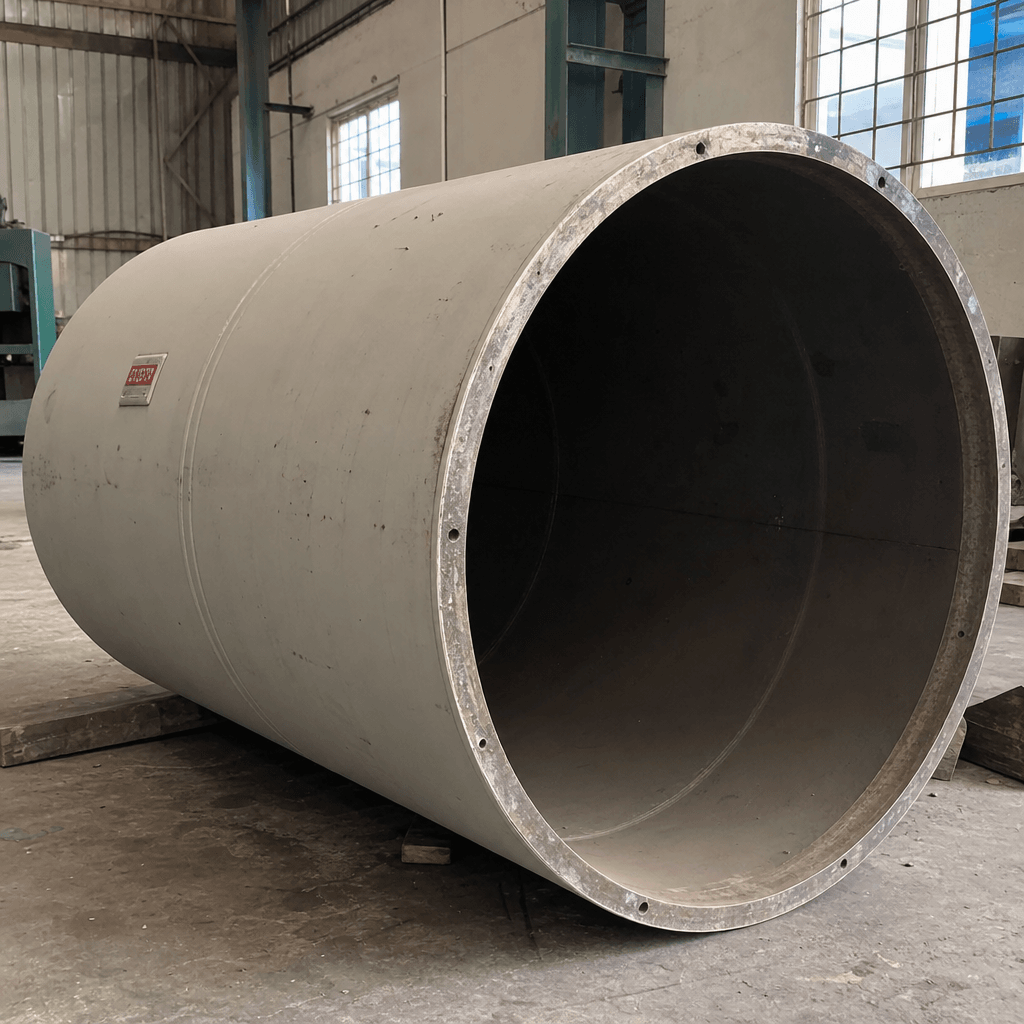 Fabrication
Drum Shell
Precision-rolled cylindrical shell forming the structural and thermal core of the AVL-DMP drum dryer-mixer.
Details & enquiry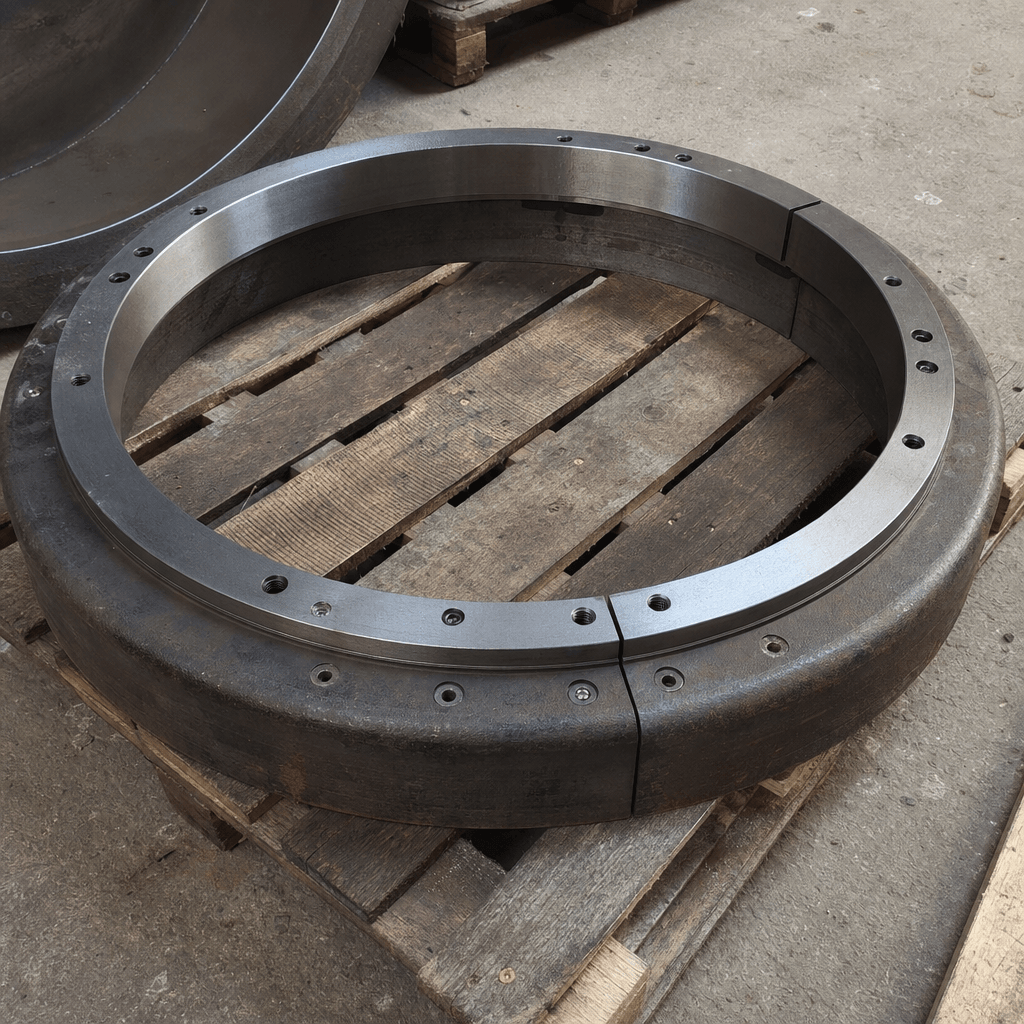 Fabrication
Segment / Riding Ring
Heavy-duty cast steel riding ring providing the drum's primary rotating bearing surface on trunnion rollers.
Details & enquiry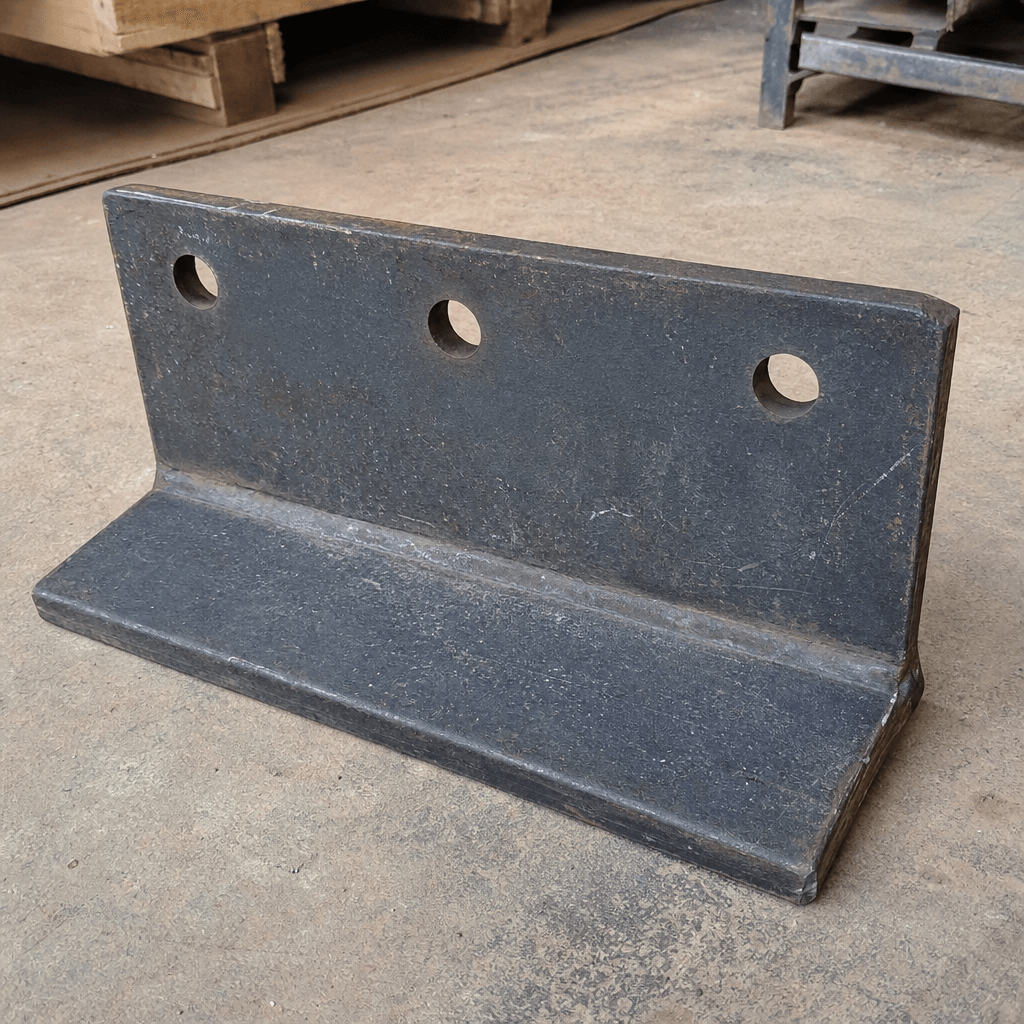 Fabrication
Dryer Lifting Flights
Wear-resistant internal flights that cascade aggregate through the drying zone for maximum heat transfer efficiency.
Details & enquiry Fabrication
Mixing Flights
Specially profiled internal flights that tumble heated aggregate with bitumen in the drum mixing zone.
Details & enquiry