
Asphalt Mixing · AVL-DMPFlagship
Asphalt Drum Mix Plant
Continuous Drum-Mix Asphalt Production for High-Volume Road Projects.
20–160 TPH
Output capacity
6
Model variants
38
Spare parts
Product Photos
See the Asphalt Drum Mix Plant from every angle.
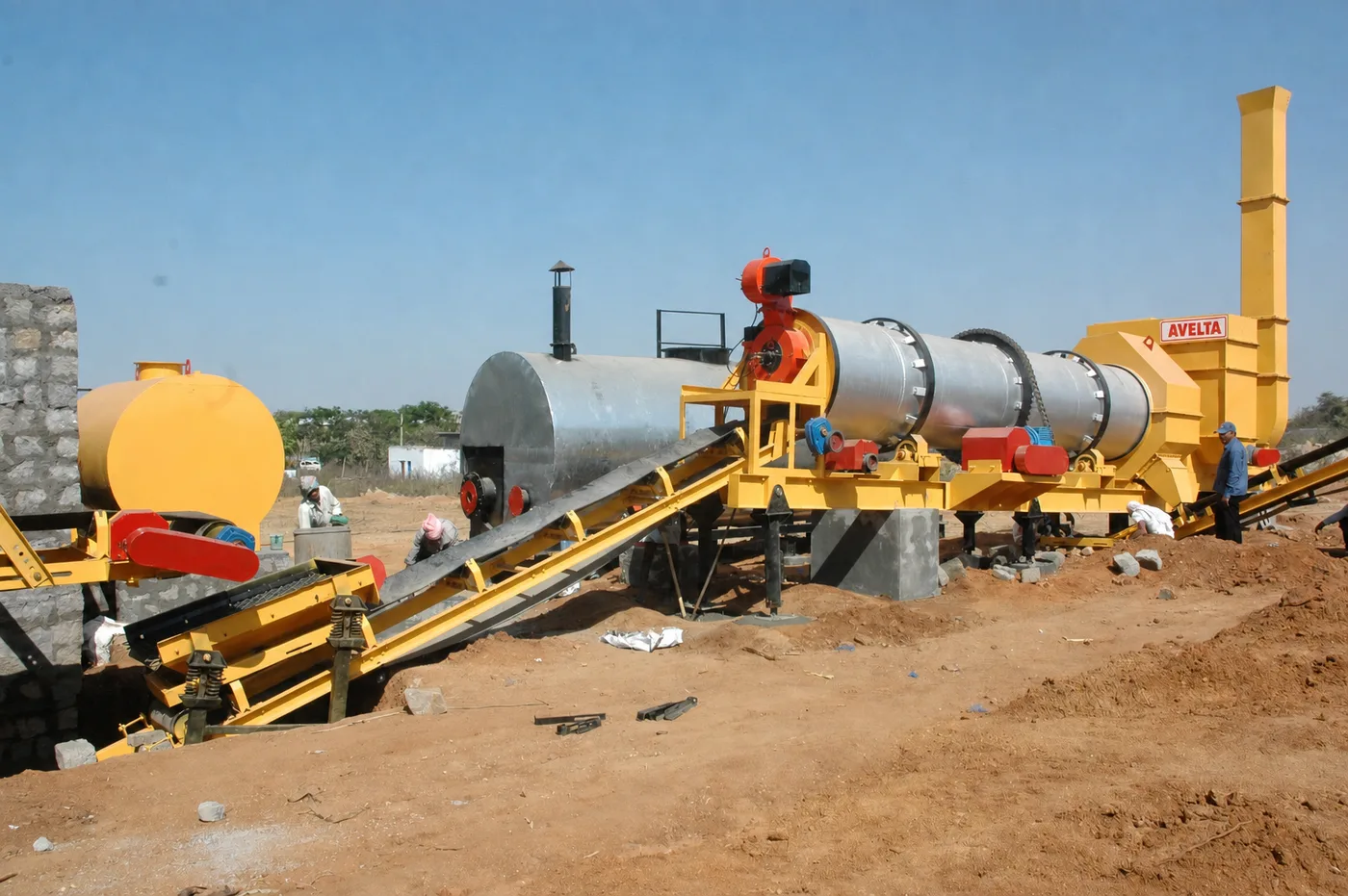
Real photographs of the Asphalt Drum Mix Plant on site — browse multiple angles to see the build, finish and layout up close.
1 / 6Overview
The Avelta AVL-DMP series is a range of continuous drum mix asphalt plants engineered for uninterrupted, high-throughput production of hot-mix asphalt (HMA). Unlike batch-type plants, the drum mix configuration integrates aggregate drying, heating, and bitumen coating within a single rotating drum, eliminating inter-cycle idle time and delivering a steady output stream from 20 to 160 TPH. The design is inherently suited to large-scale road projects where consistent volume, low per-tonne energy consumption, and minimal operator intervention are the primary operational criteria.
The plant is targeted at civil contractors executing national highway programmes, state road authorities managing multi-year resurfacing schedules, and export buyers operating in tropical, arid, or high-humidity environments where fuel efficiency and pollution control are regulatory imperatives. Avelta engineers the AVL-DMP with a heavy-section fabricated drum body, precision-balanced riding rings, and a refractory-lined combustion zone that sustains uniform aggregate outlet temperatures between 150 °C and 180 °C (302–356 °F) regardless of incoming feed moisture content or throughput variation.
What distinguishes a well-engineered Avelta drum mix plant is the integration of technical rigour with export-ready modularity. The AVL-DMP ships in bolt-together sections sized for standard 20-ft and 40-ft shipping containers, reducing logistics cost and enabling rapid site erection by a small crew without specialist craneage. A reverse-pulse bag-house dust collector is included as standard equipment rather than an optional upgrade, ensuring compliance with modern particulate-emission limits and reflecting Avelta's commitment to responsible infrastructure development across international markets.
Typical applications
- National highway and expressway construction and rehabilitation
- Airport runway, taxiway, and apron paving
- Urban road resurfacing, road-widening, and grade-separated junction works
- State and district rural road connectivity programmes
- Industrial estate roads, port terminal paving, and heavy-haul logistics yards
- Bridge approach roads and flyover ramp construction
- Toll plaza and weighbridge area surfacing
- Defence facility airfield pavement and access-road construction
| Plant Output Capacity | 20–160 TPH (continuous, model-dependent) |
|---|---|
| Drum Dimensions — 160 TPH Model | 1,800 mm dia. × 9,000 mm L (71 in × 354 in) |
| Drum Rotational Speed | 6–9 rpm, variable-speed drive |
| Burner Capacity (maximum rating) | Up to 10 × 10⁶ kcal/h (≈ 11.6 MW thermal) |
| Fuel Compatibility | Diesel, light diesel oil (LDO), furnace oil (heavy fuel oil); producer-gas conversion kits available |
| Hot Aggregate Outlet Temperature | 150–180 °C (302–356 °F), adjustable |
| Bitumen / Binder Storage Tanks | 15,000–60,000 litres (single or twin); insulated, thermic-oil or direct-fired heating to 180 °C |
| Bitumen Dosing Accuracy | ±0.2% of mix weight |
| Cold Feed Bins | 3–5 compartments; 8–12 t per bin; variable-speed belt feeders with load-cell calibration |
| Dust Collection System | Two-stage: primary cyclone + reverse-pulse bag-house, 250–550 m² filter area (model-dependent) |
| Stack Particulate Emission | ≤ 50 mg/Nm³ at rated output |
| Storage Silo Capacity | 25–60 tonnes (single or twin-cell, insulated) |
| Installed Power | 110–320 kW (model-dependent); suitable for 415 V / 50 Hz or 480 V / 60 Hz supply |
| Control System | PLC with colour-touchscreen HMI; automated recipe management; SCADA-compatible data logging and remote-monitoring ready |
Working Principle
How the Asphalt Drum Mix works
- 01
Cold Aggregate Proportioning
Sized aggregates from site stockpiles are loaded into calibrated cold feed bins — typically three to five compartments — and metered onto a collecting belt conveyor by variable-speed belt feeders. This proportioning stage controls the relative quantities of coarse aggregate, fine aggregate, and mineral filler entering the drum, directly determining gradation and mix recipe.
- 02
Inclined Conveying and Pre-Screening
The blended cold aggregate stream travels up an inclined collecting conveyor to the drum inlet. An optional vibrating pre-screen ahead of the drum inlet removes oversized or rogue material, protecting drum internals and maintaining mix gradation consistency.
- 03
Drying and Heating in the Rotating Drum
Aggregate enters the rotating drum and cascades continuously through a series of lifting flights that maximise surface exposure to the high-temperature burner flame. In the counter-flow configuration, combustion gases travel in the direction opposite to aggregate movement, exposing material to progressively higher temperatures as it advances toward the discharge end, achieving superior fuel economy and thorough moisture removal down to residual levels below 0.5%.
- 04
Bitumen Injection and Uniform Coating
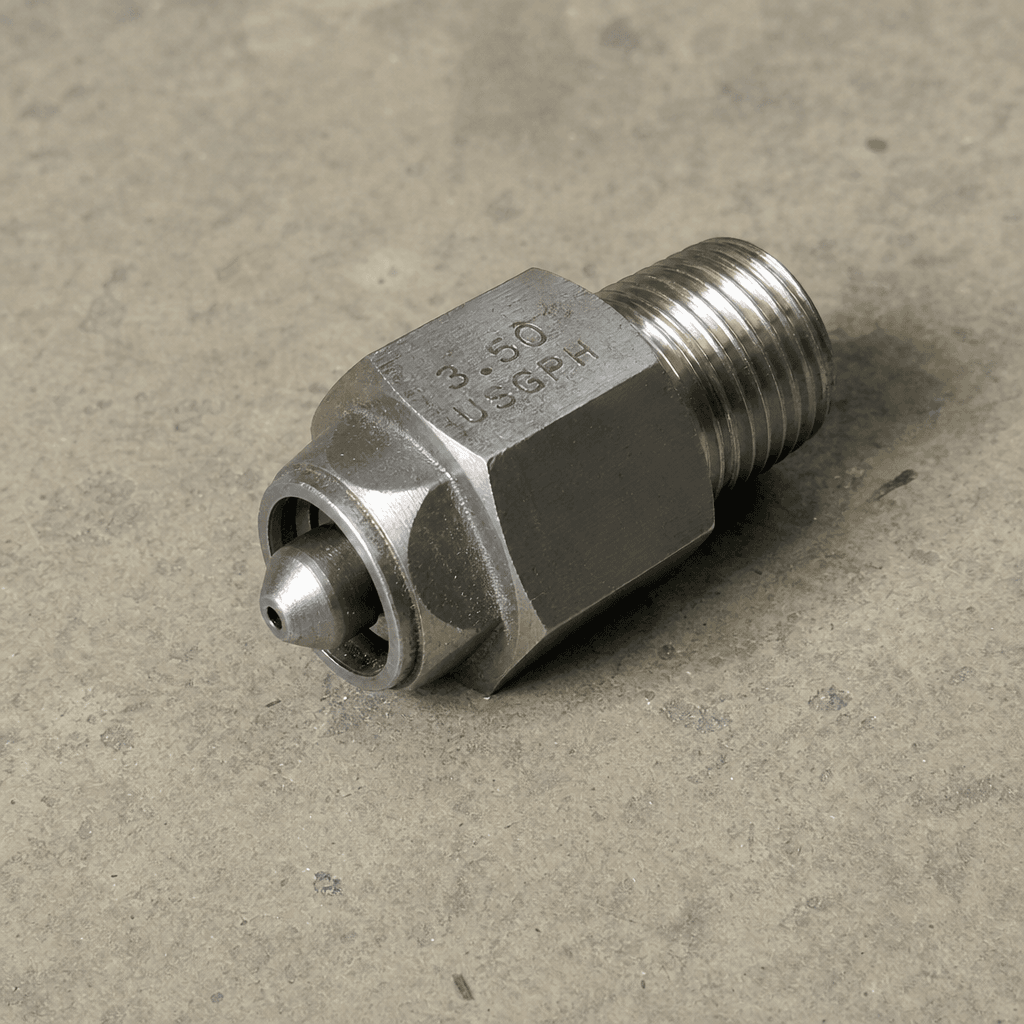
In the mixing zone — positioned downstream of the primary combustion zone to prevent bitumen from contacting direct flame — heated and accurately metered bitumen is injected through calibrated spray nozzles. Continued drum rotation and the action of mixing flights ensure thorough, uniform coating of every aggregate particle to the specified binder content, typically within ±0.2% of target by weight of mix.
- 05
Discharge into Storage Silo
The finished hot-mix asphalt exits the drum through an enclosed discharge chute and is elevated by a drag-chain conveyor or bucket elevator into an insulated surge and storage silo of 25–60 tonnes capacity. Haul trucks are loaded in a controlled, weighed sequence with minimal heat loss, maintaining mix temperature above 140 °C (284 °F) at point of delivery.
- 06
Exhaust Gas Treatment and Dust Recovery
Exhaust gases and entrained fine particulates are drawn through a two-stage pollution-control circuit comprising a primary cyclone separator and a reverse-pulse bag-house dust collector with 250–550 m² of filter area. The pulse-jet cleaning system maintains continuous filter efficiency; captured mineral fines are returned to the mix via a screw conveyor or discharged separately, and stack particulate concentrations are controlled to 50 mg/Nm³ or below.
- 07
PLC Control, Monitoring, and Data Logging
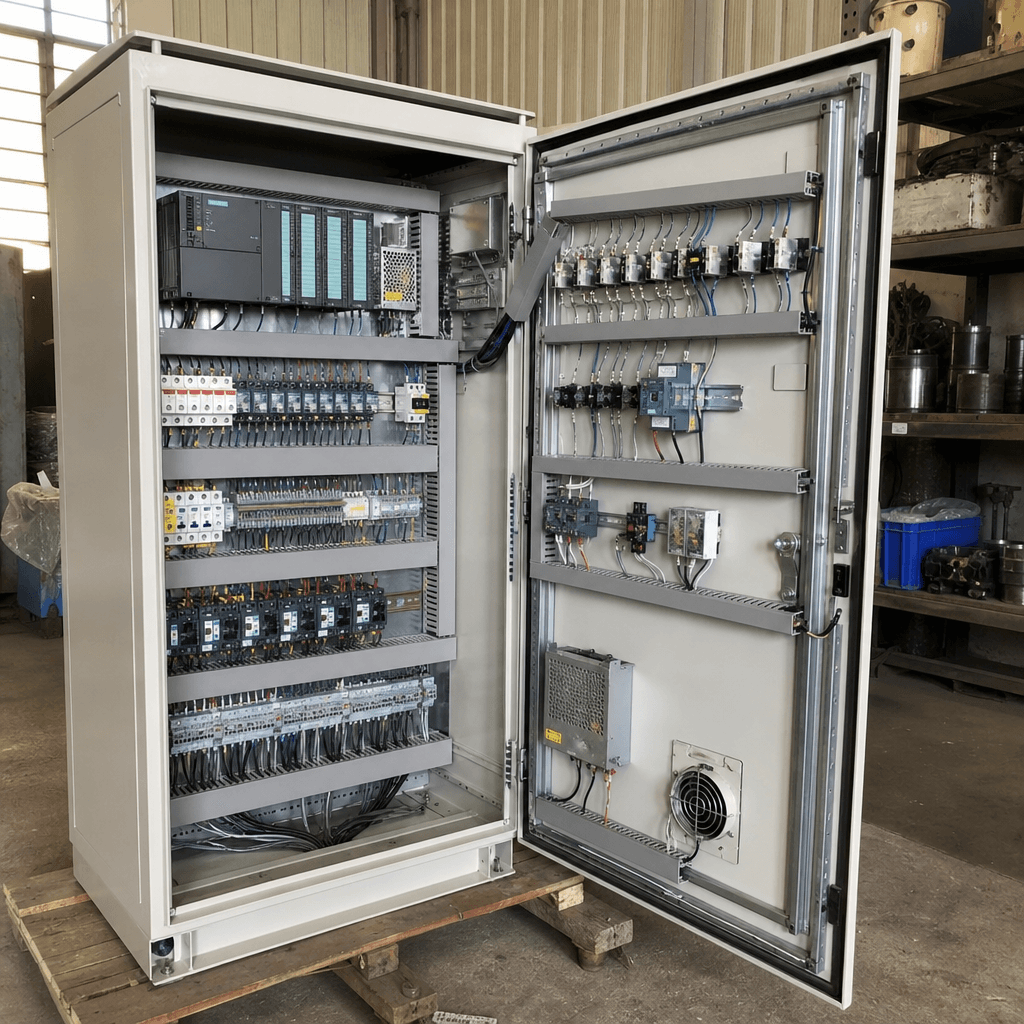
A fully integrated PLC-based control panel with colour-touchscreen HMI monitors aggregate feed rates, drum temperature, burner fuel flow, bitumen dosing, silo level, and cumulative mix yield in real time. Automated recipe management enables rapid changeover between different mix types, and SCADA-compatible data logging provides the production records required for government quality-inspection and project documentation.
Engineered Advantages
Why buyers specify the Avelta DMP.
Counter-Flow Drum Technology for Superior Fuel Economy
In the counter-flow configuration, aggregate and combustion gases travel in opposite directions through the drum. Aggregate is exposed to progressively hotter gases as it advances toward the discharge end, maximising heat transfer efficiency and achieving measurable fuel savings per tonne of mix compared to co-current designs — a critical advantage when operating over extended project durations.
Multi-Fuel Burner with Field-Conversion Capability
Every AVL-DMP burner is factory-configured for diesel and light diesel oil, with engineered conversion kits available for furnace oil, heavy fuel oil, and producer gas. This flexibility protects plant operators against regional fuel-supply disruption, import restrictions, or cost escalation without requiring burner replacement.
Reverse-Pulse Bag-House as Standard Equipment
A full reverse-pulse bag-house dust collector — not a wet scrubber or simple cyclone — is included as standard equipment on every model in the AVL-DMP range. The pulse-jet cleaning cycle operates continuously without interrupting production, maintaining filter performance over extended campaigns and keeping stack emissions within internationally accepted particulate limits.
PLC Automation with Recipe Management and Data Logging
The integrated control system stores multiple mix recipes, executes automatic feed-rate and binder-dosing adjustments when recipe targets are changed, and generates time-stamped production logs for every shift. These records support quality-control submissions to highway authorities and independent inspection agencies without additional data-capture equipment.
Modular, Container-Compatible Structure
Structural sections are engineered and sub-assembled to fit within standard 20-ft and 40-ft ISO shipping containers, reducing ocean-freight cost and simplifying customs clearance on export orders. On-site erection typically requires a small crew with a mobile crane and proceeds from container unloading to first-batch commissioning in a defined sequence of days, not weeks.
Heavy-Section Drum Fabrication and Extended Service Life
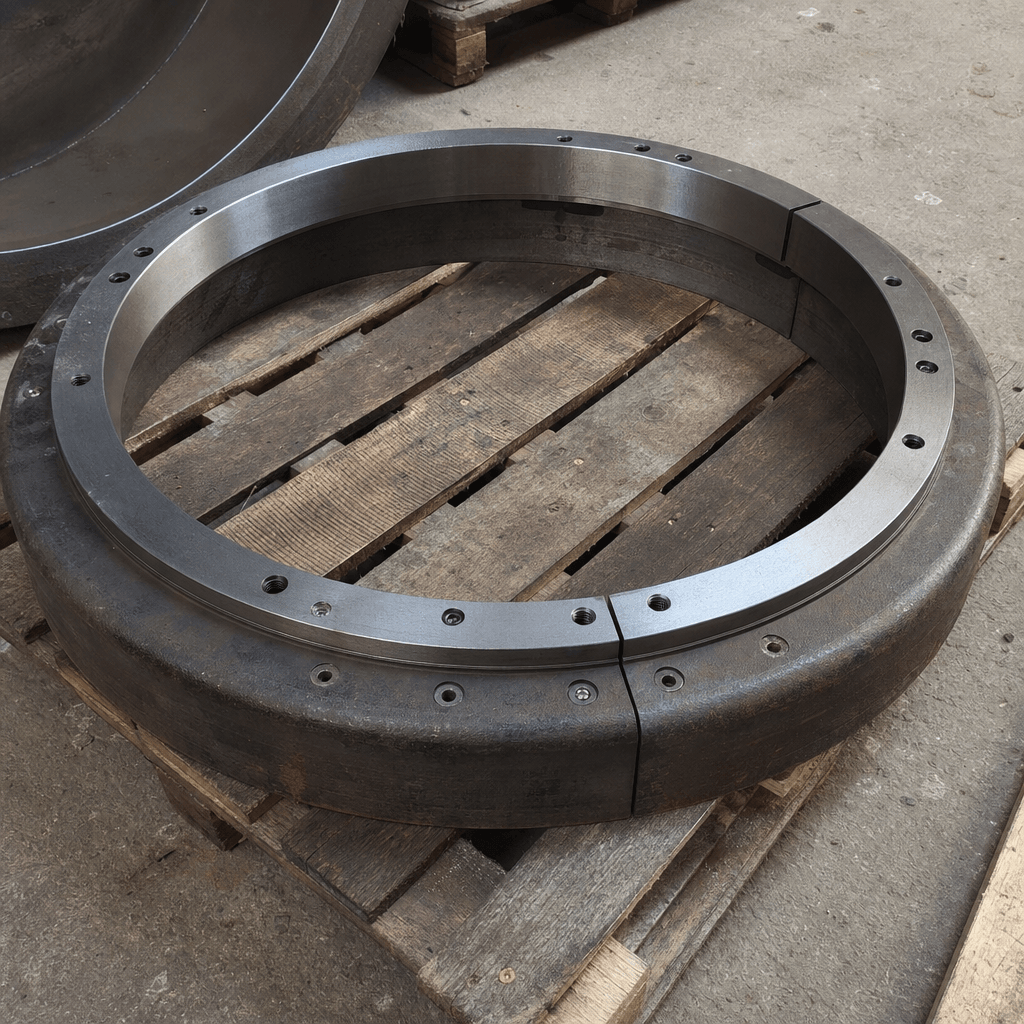
The drum shell is fabricated from high-tensile structural steel plate with precision-machined riding rings and trunnion rollers that maintain true rotation under continuous thermal cycling. Chrome-alloy lifting and mixing flights are replaceable without drum removal, and the refractory-lined burner-end zone resists thermal fatigue, extending the working life of drum internals between scheduled maintenance intervals.
Energy-Metering Module for Performance Benchmarking
A dedicated energy-monitoring module tracks actual fuel consumption against measured mix output in real time, displaying a running fuel-per-tonne figure on the HMI. Plant managers can benchmark performance against project baselines, identify degradation in drum or burner efficiency early, and activate a reduced-output standby mode during idle or low-demand periods to contain running costs.
Factory Commissioning Support and Structured After-Sales Programme
Avelta deploys factory-trained commissioning engineers at the installation site to oversee erection, first-fire, calibration, and initial production runs. Structured operator-training sessions, a documented preventive-maintenance schedule, a categorised genuine spare-parts supply chain, and remote technical support are provided as part of the supply package, ensuring plant availability across the full project lifecycle.
Model Range
Choose the capacity for your output.
| Model | Capacity | Notes | |
|---|---|---|---|
| AVL-DMP 20 | 20 TPH | Compact, trailer-mounted configuration; ideal for rural road programmes, island projects, and contractors requiring high mobility between sites. | Enquire → |
| AVL-DMP 40 | 40 TPH | Semi-stationary or chassis-mounted; suited to district road authorities and medium-scale contractors running sustained single-site operations. | Enquire → |
| AVL-DMP 60 | 60 TPH | Most widely specified mid-range model; stationary foundation mount; four-bin cold feed; standard bag-house and 25-tonne silo included. | Enquire → |
| AVL-DMP 90 | 90 TPH | Heavy-duty stationary plant for national highway corridors; five-bin cold feed system; twin 30,000-litre bitumen tanks; extended drum life package. | Enquire → |
| AVL-DMP 120 | 120 TPH | High-production plant for large infrastructure contracts; counter-flow drum with full energy-metering module; 50-tonne twin-cell storage silo standard. | Enquire → |
| AVL-DMP 160 | 160 TPH | Flagship continuous-mix plant for major highway, expressway, and airport runway projects; maximum burner rating 10 × 10⁶ kcal/h; full SCADA integration. | Enquire → |
Spare Parts
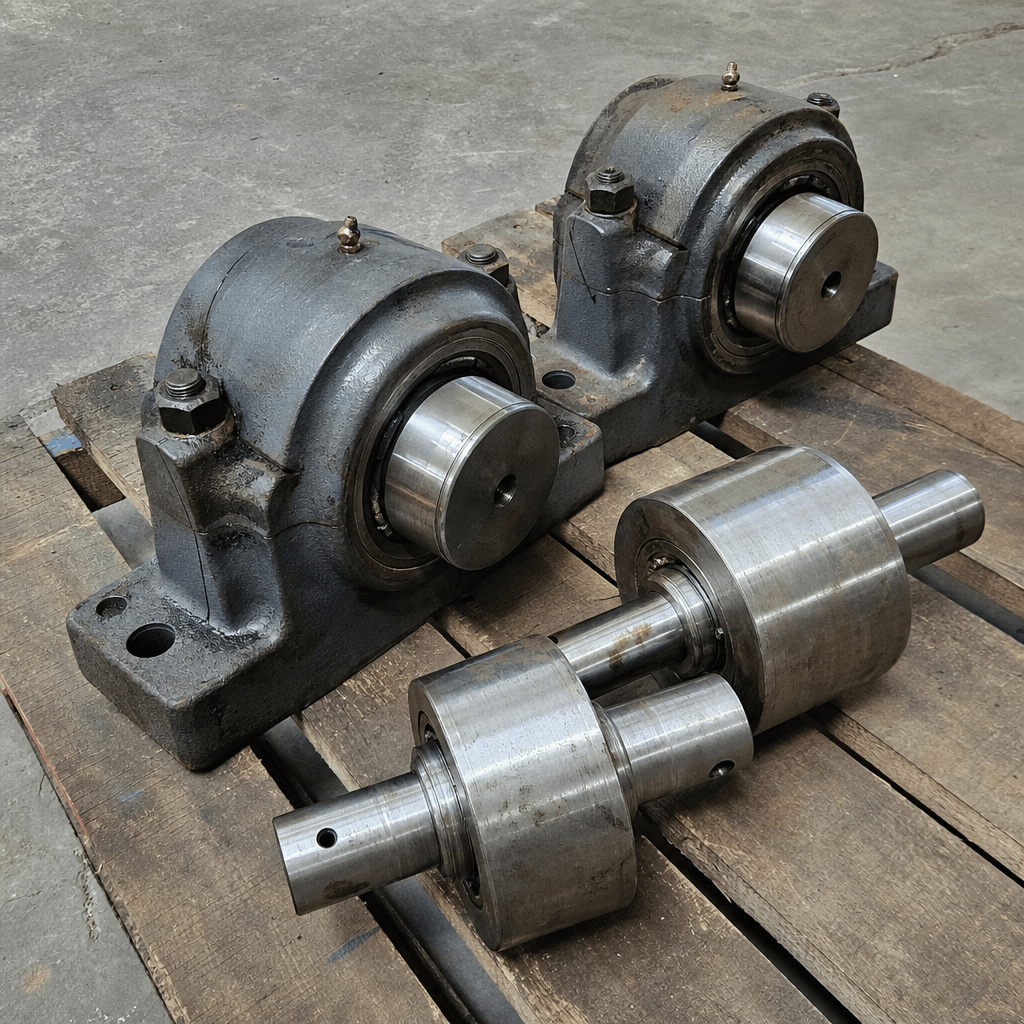
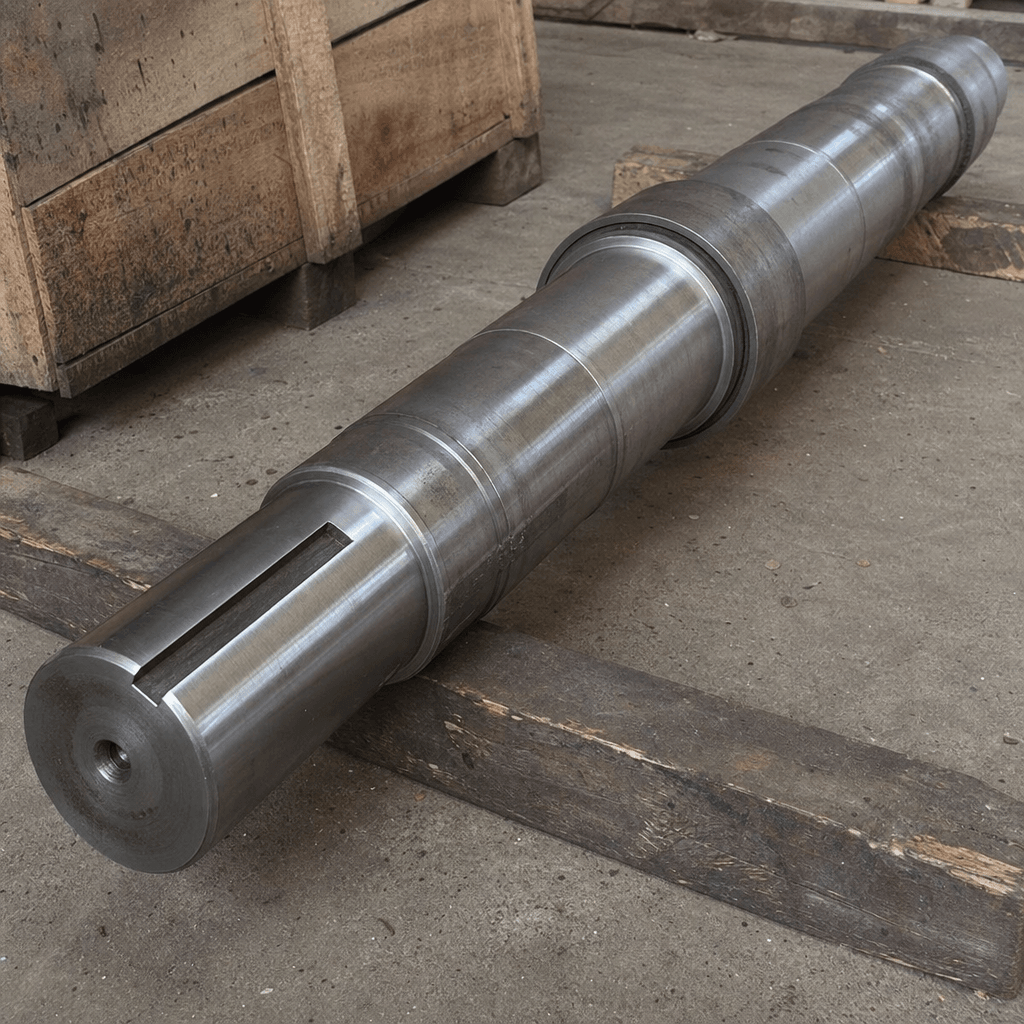
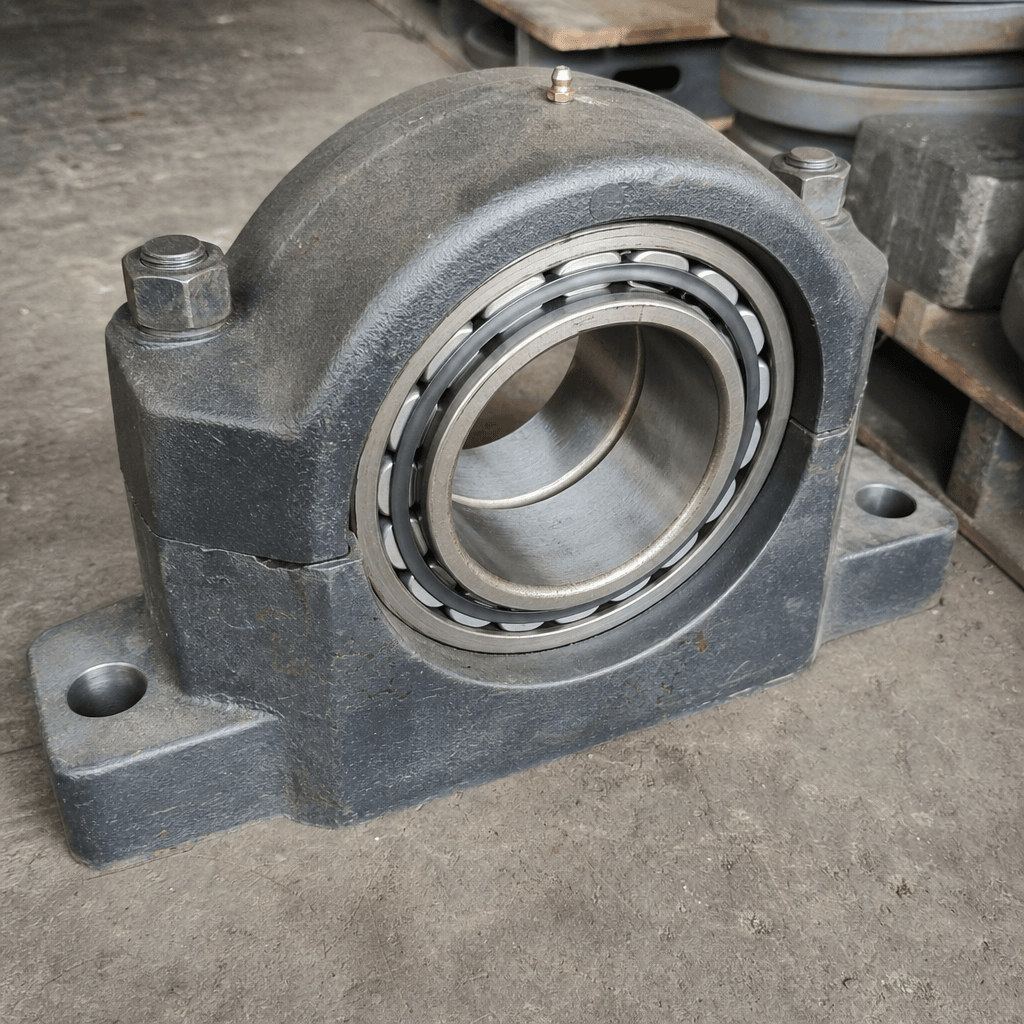
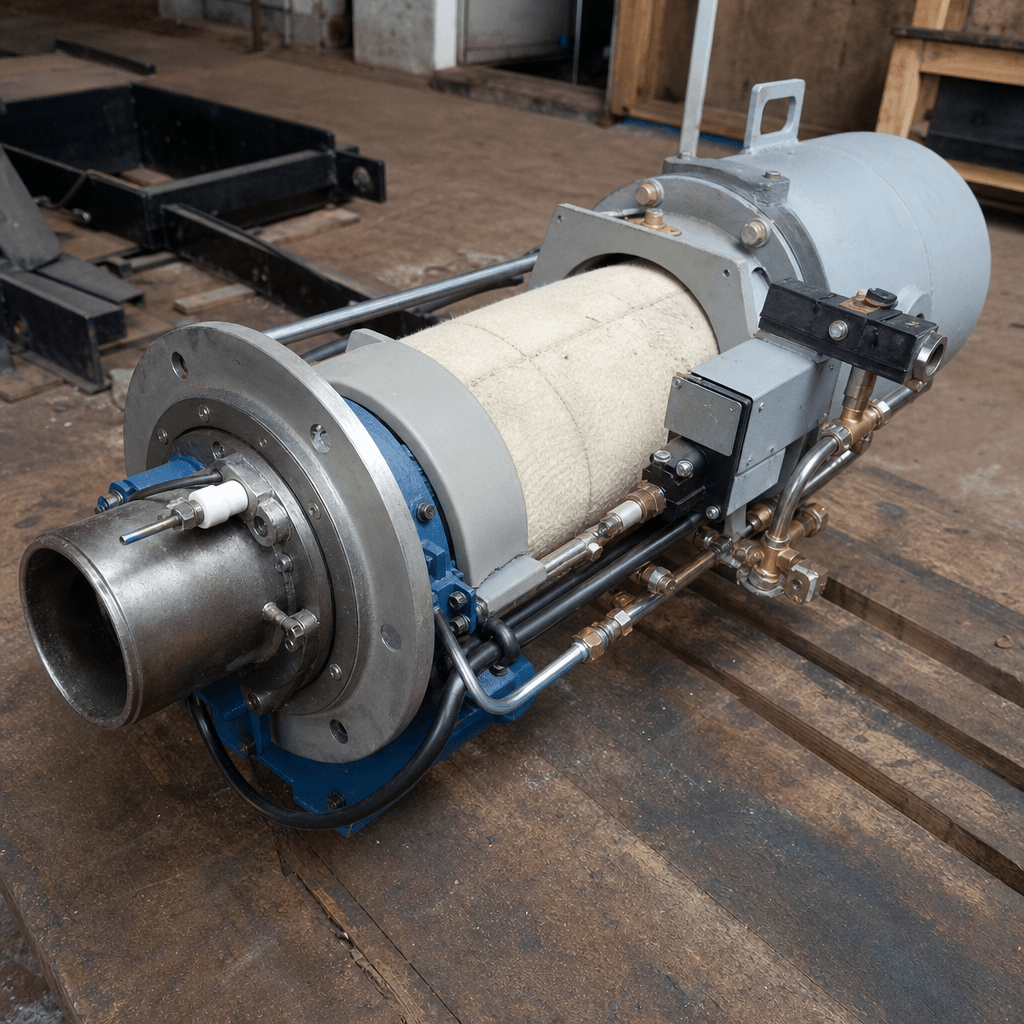
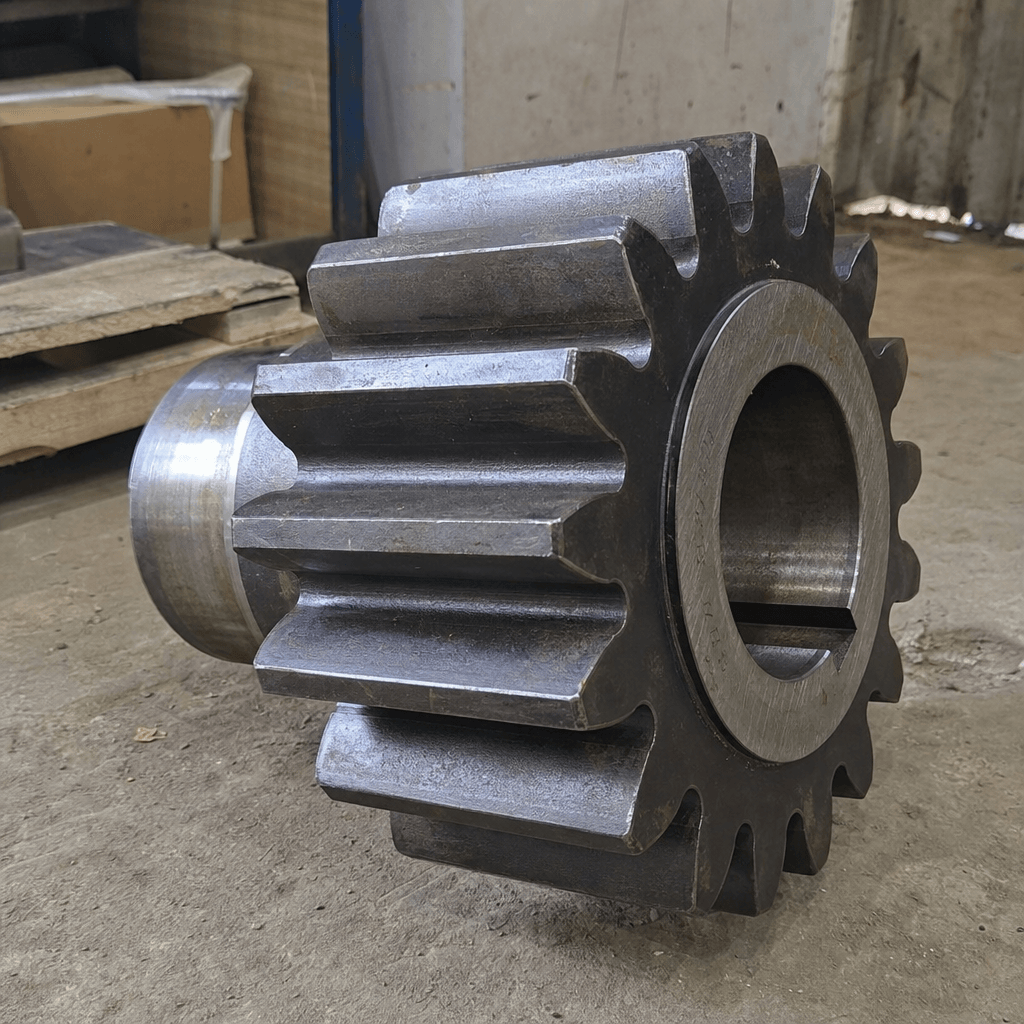
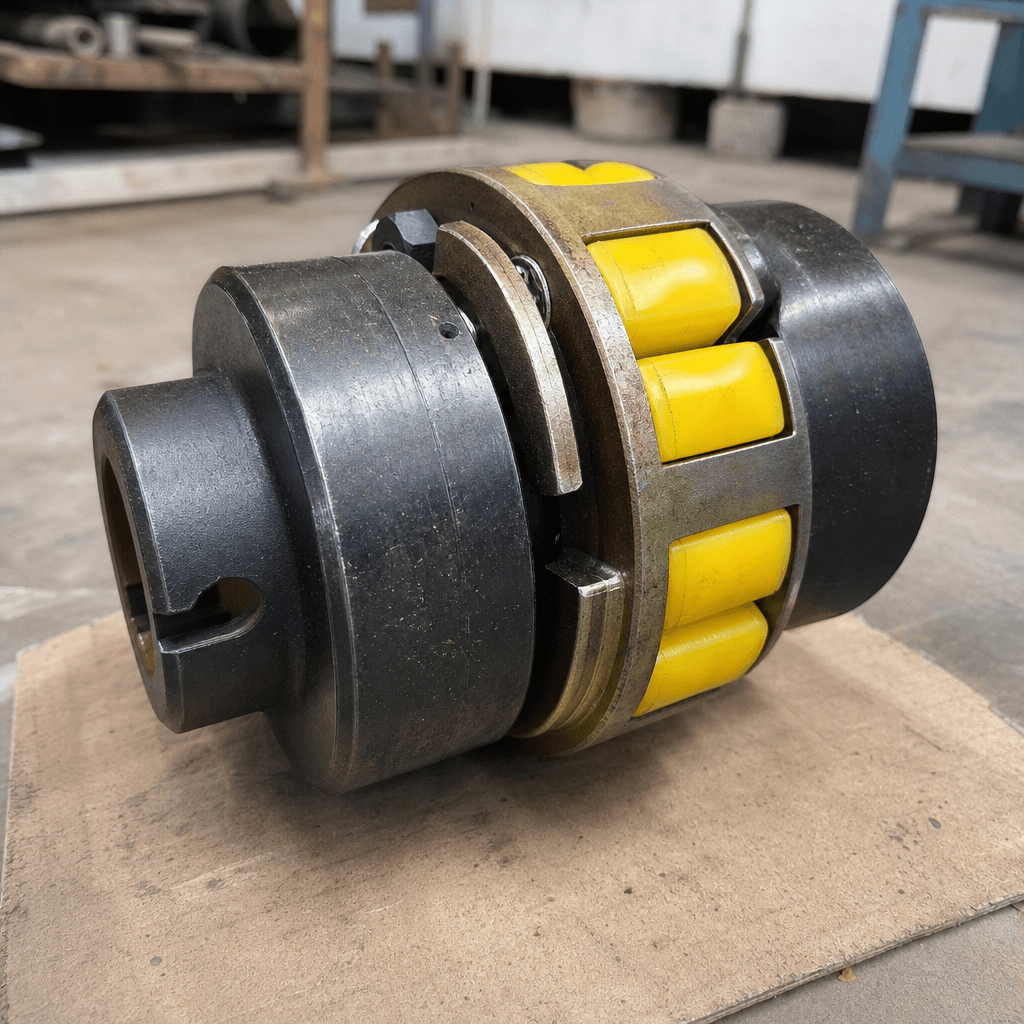
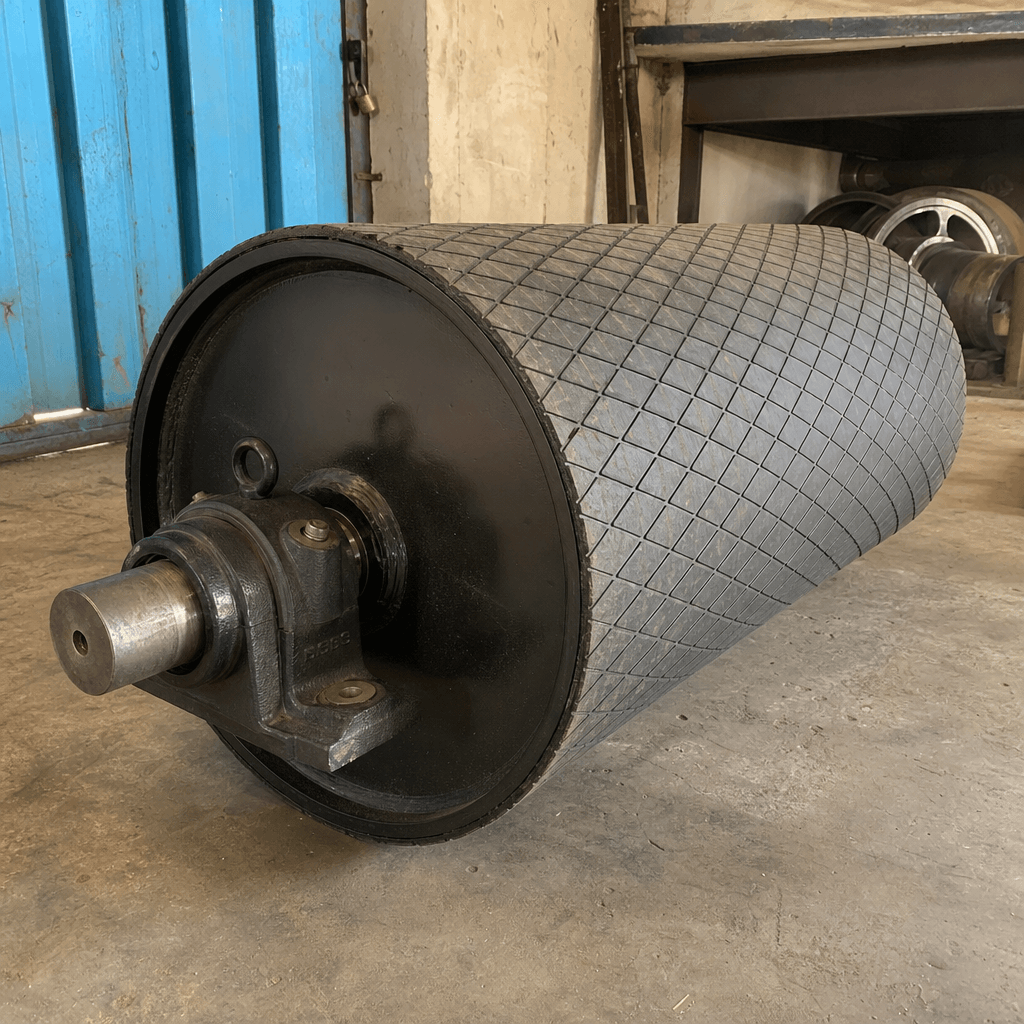
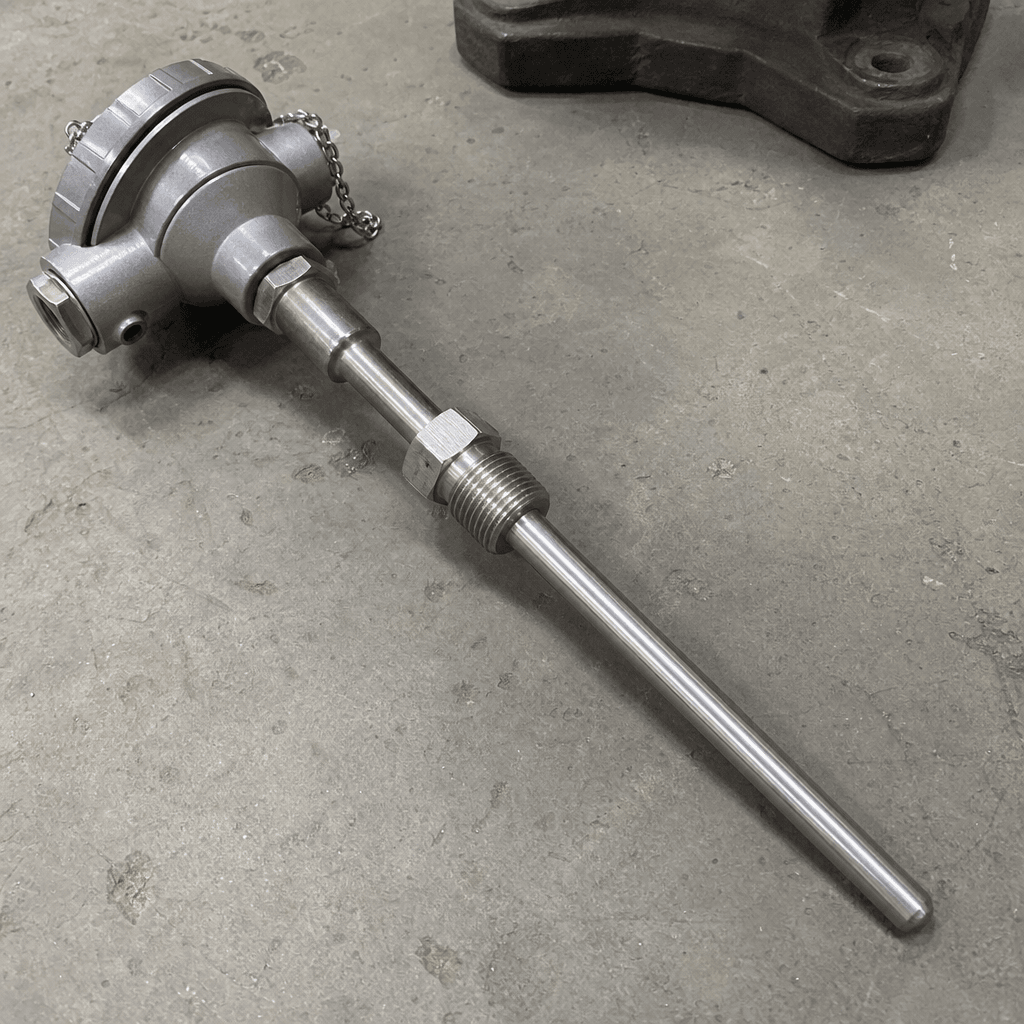
Asphalt Drum Mix Plant spare parts
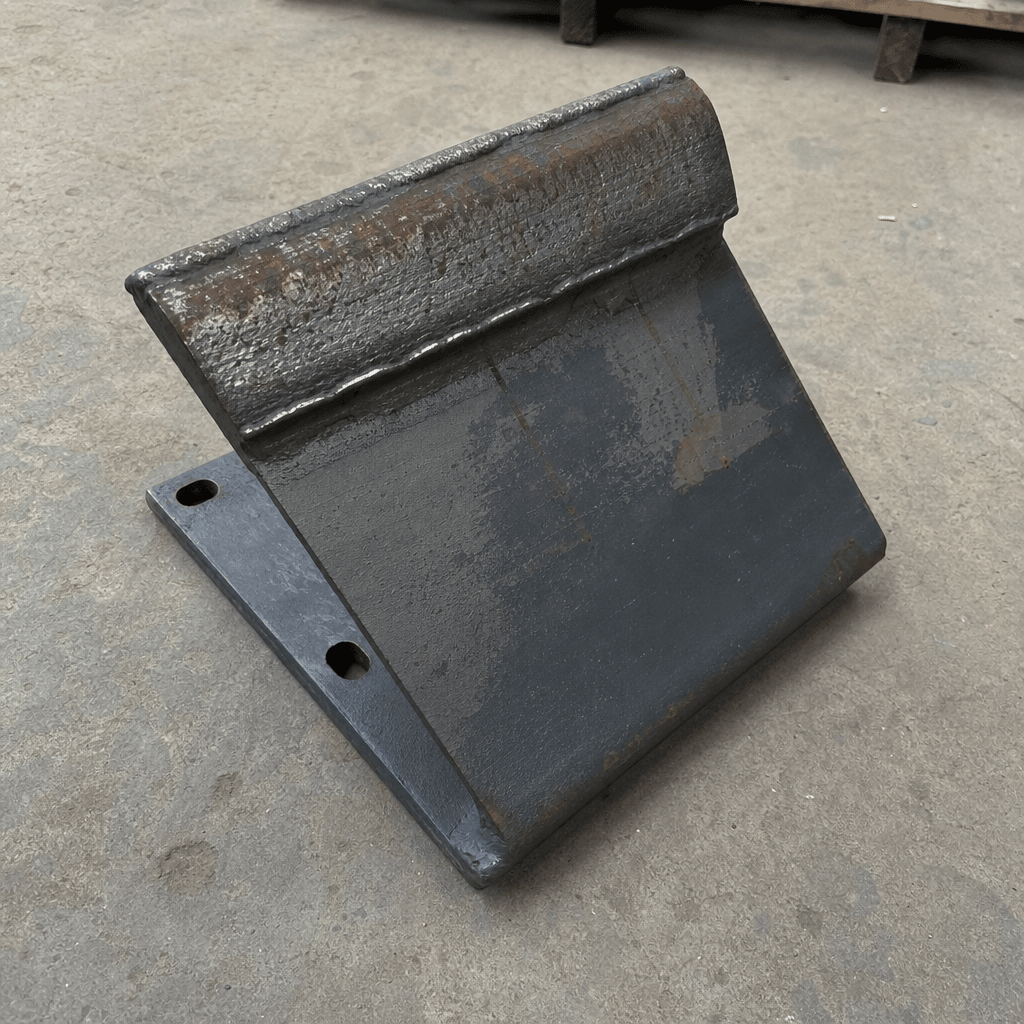
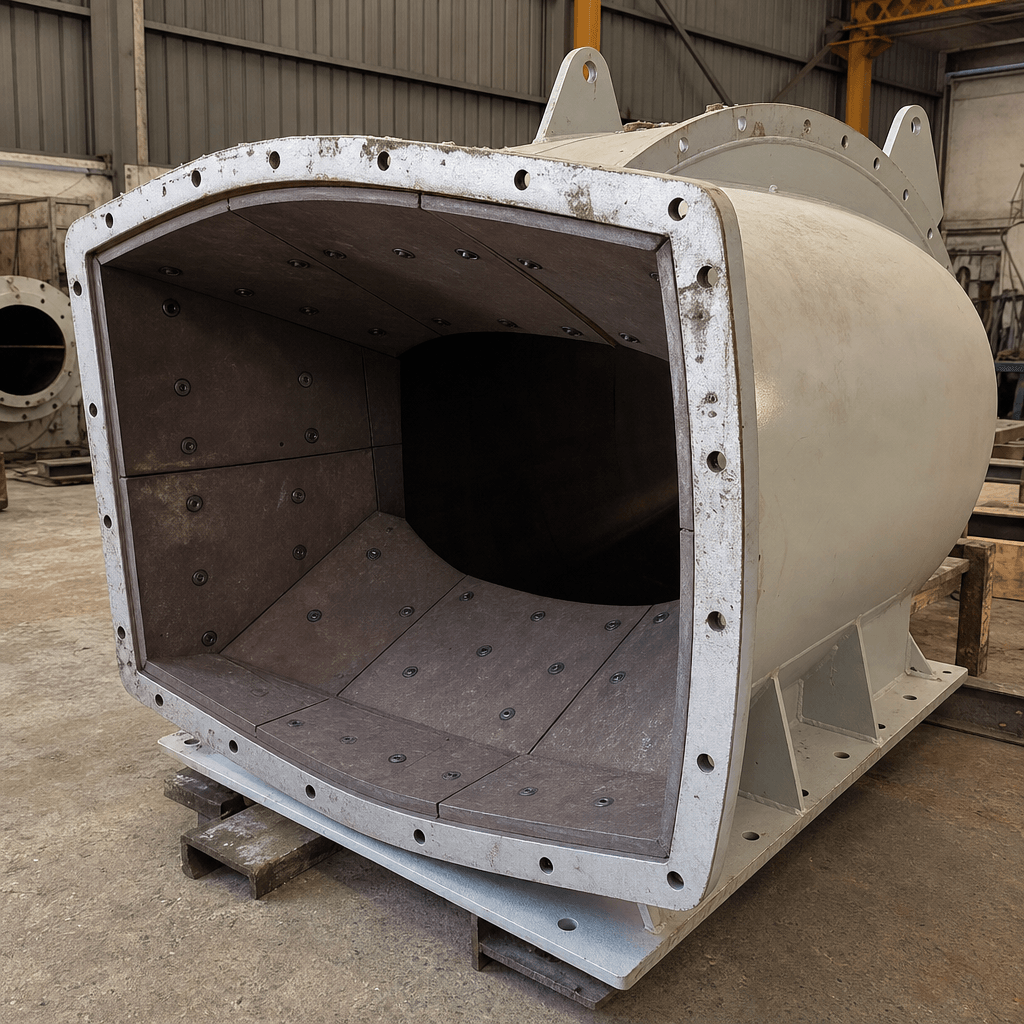
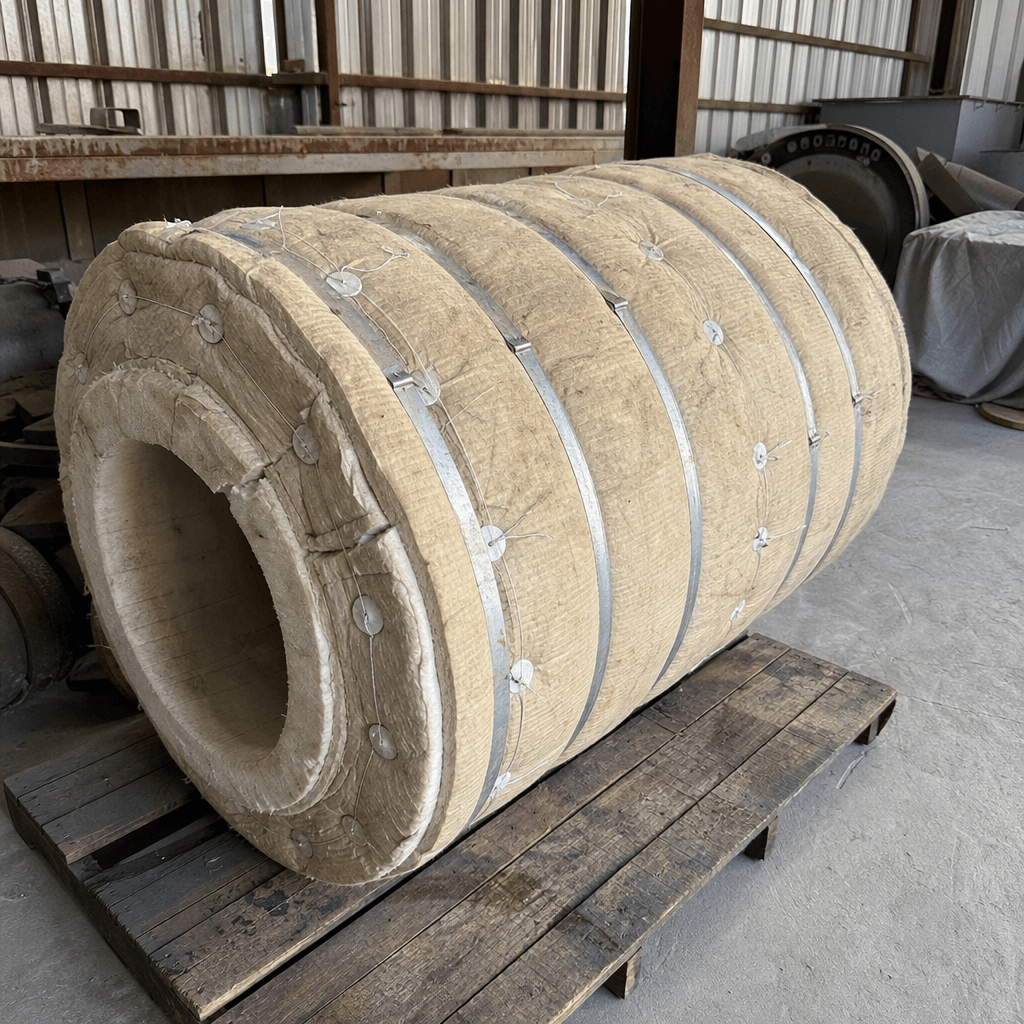
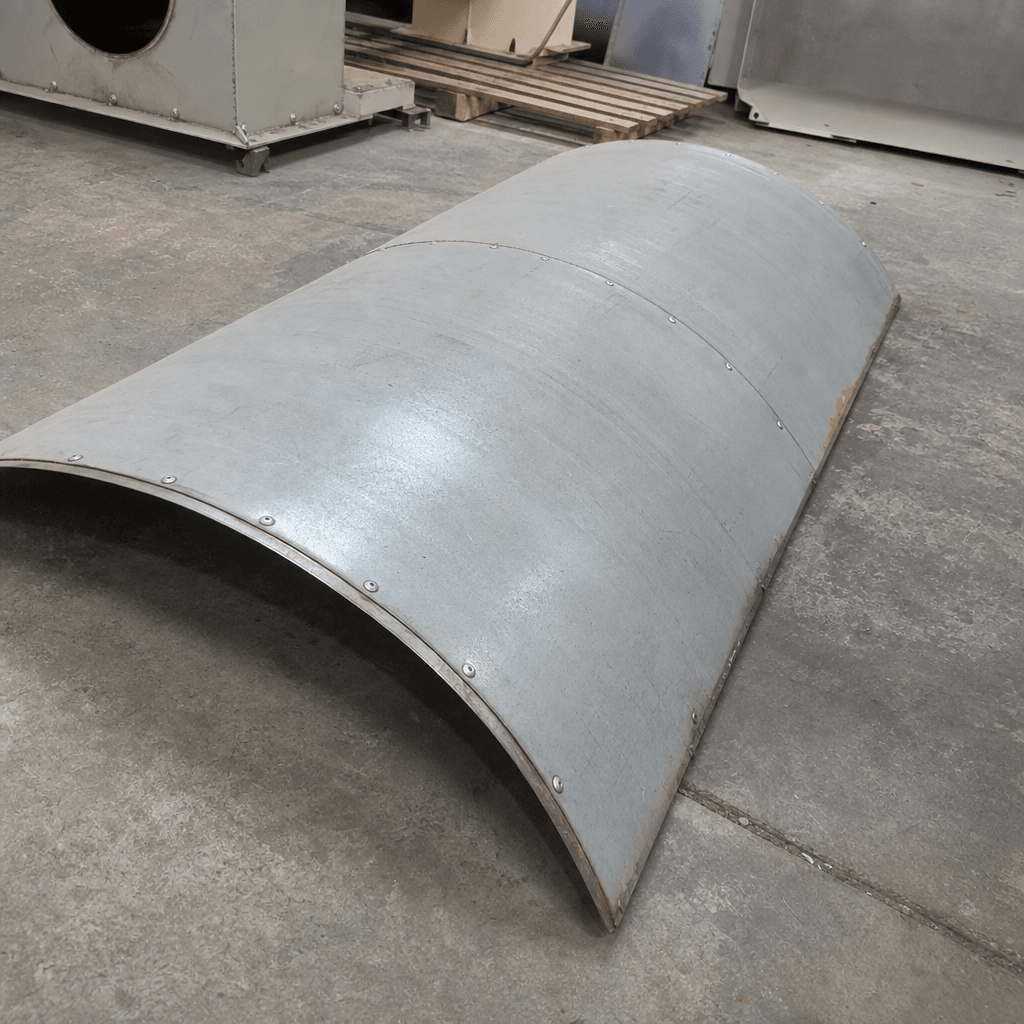
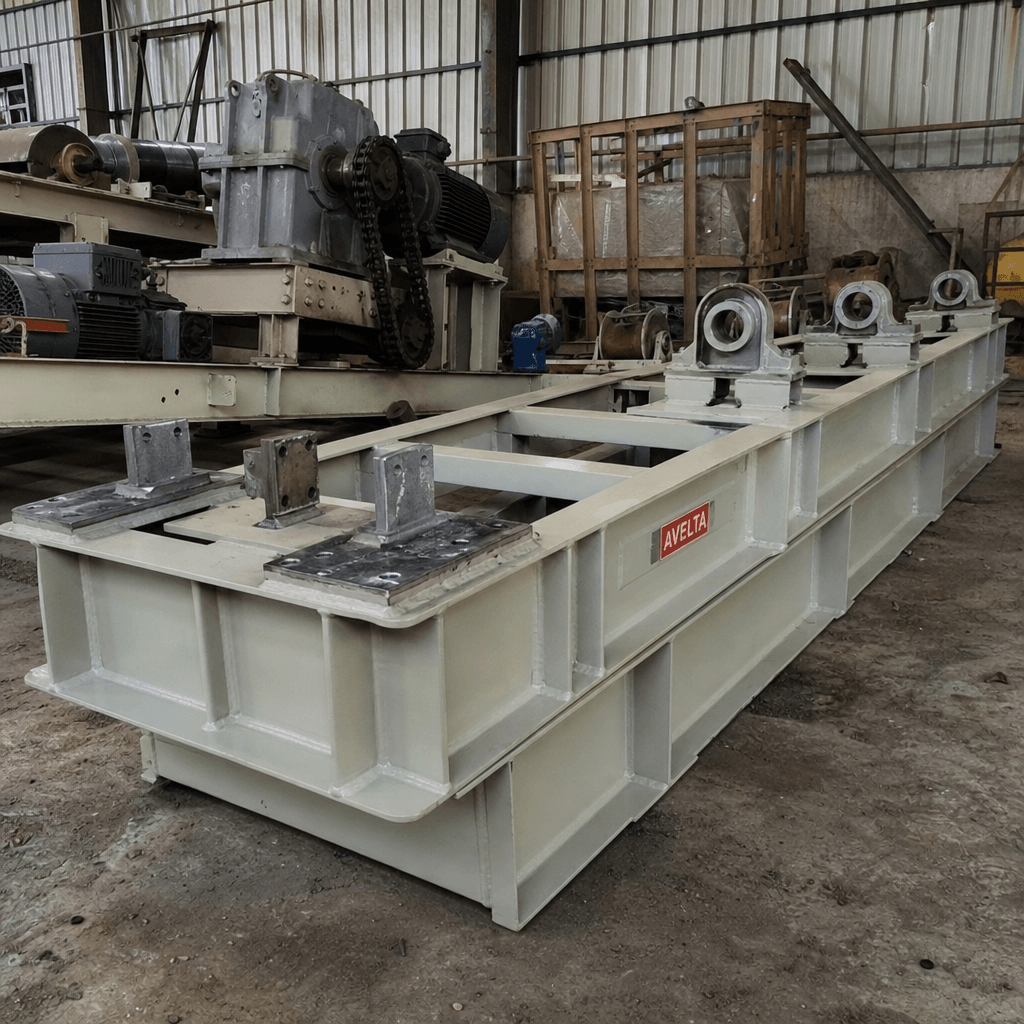
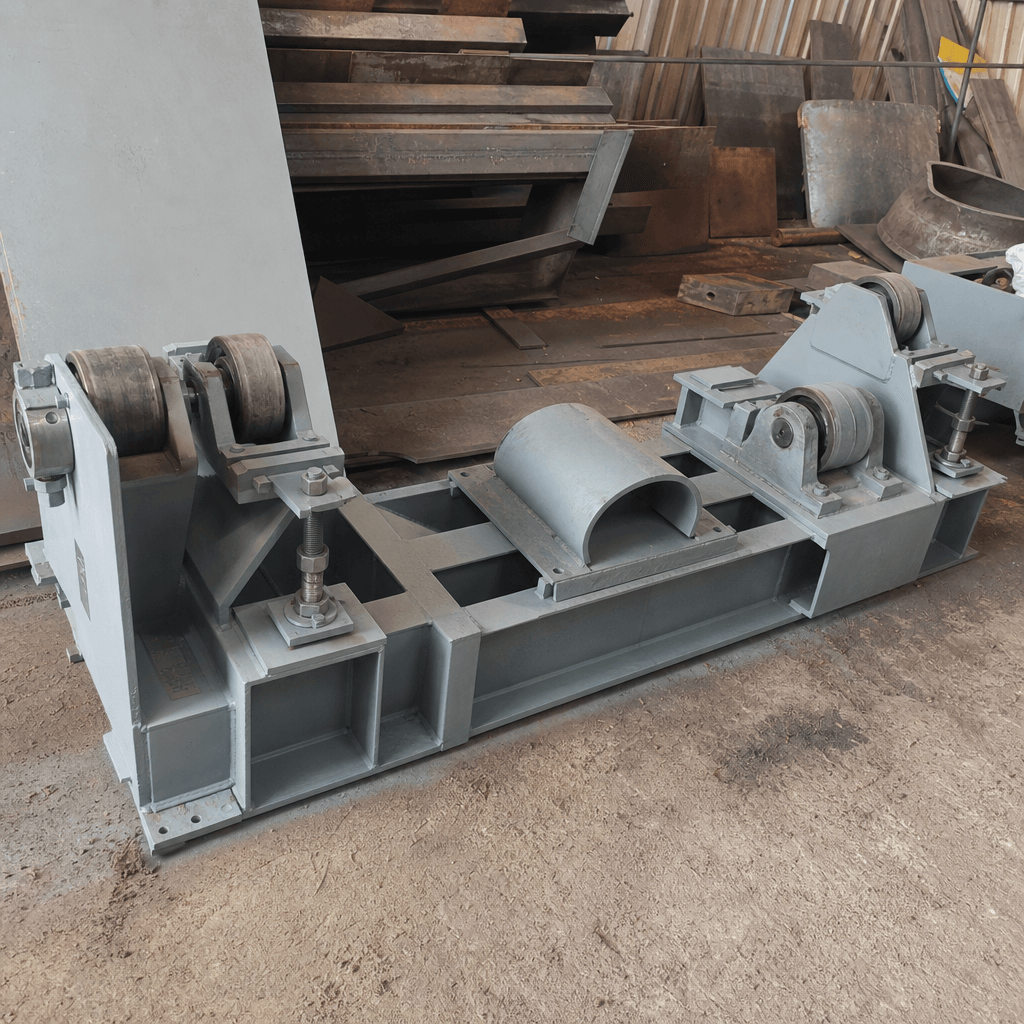
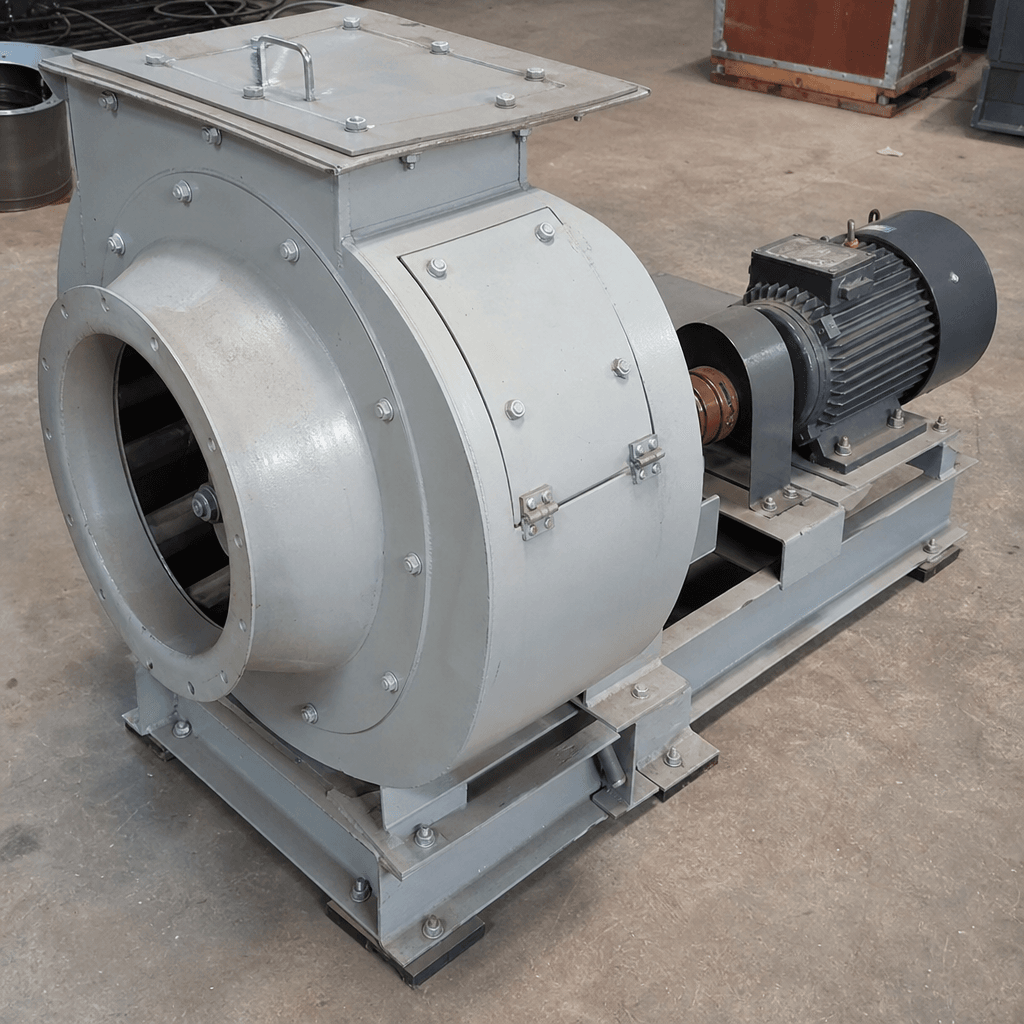
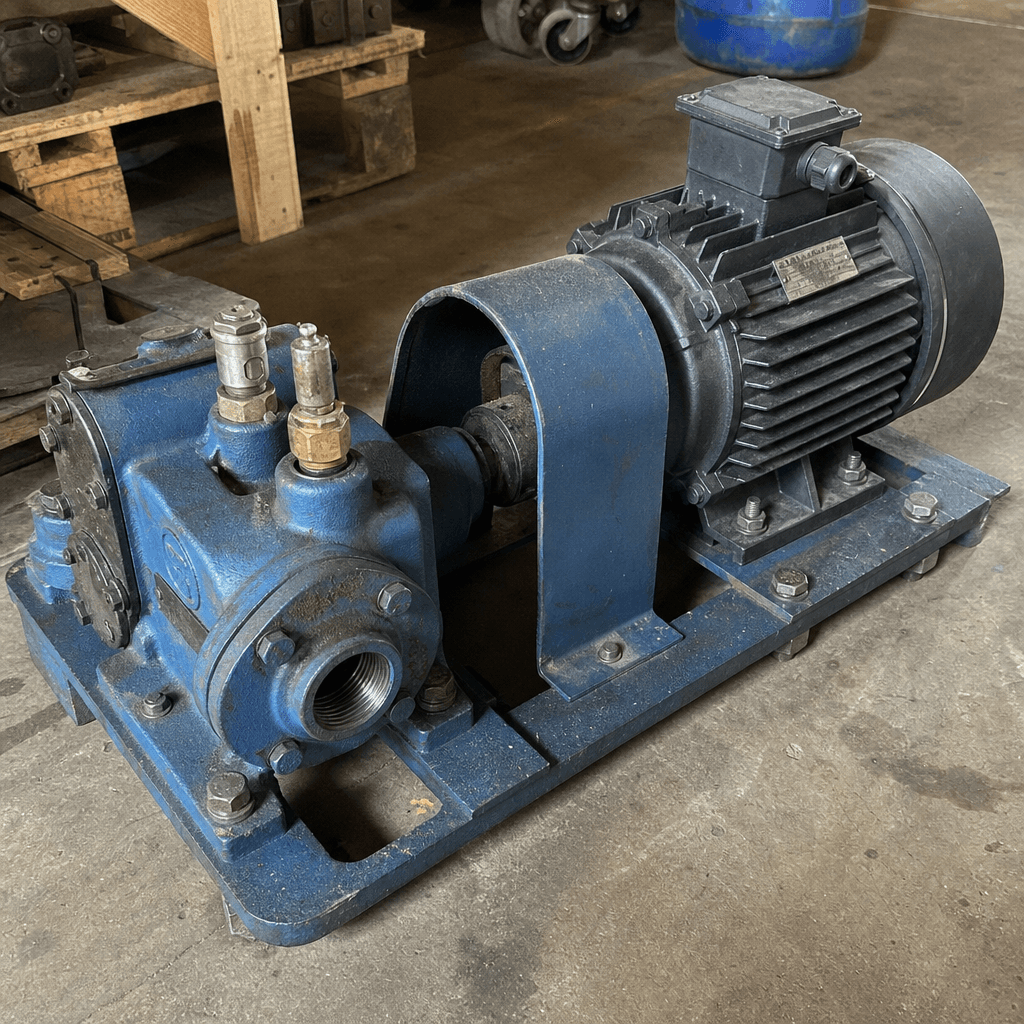
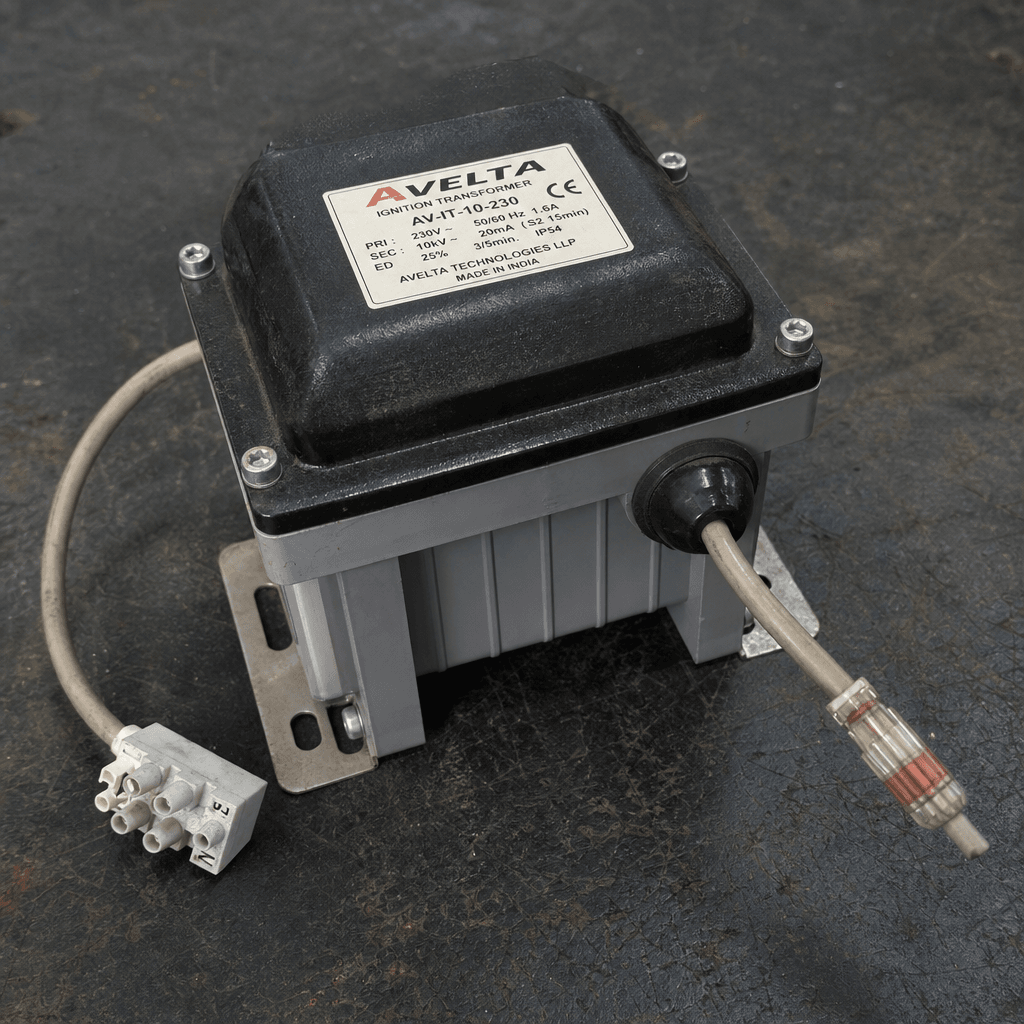
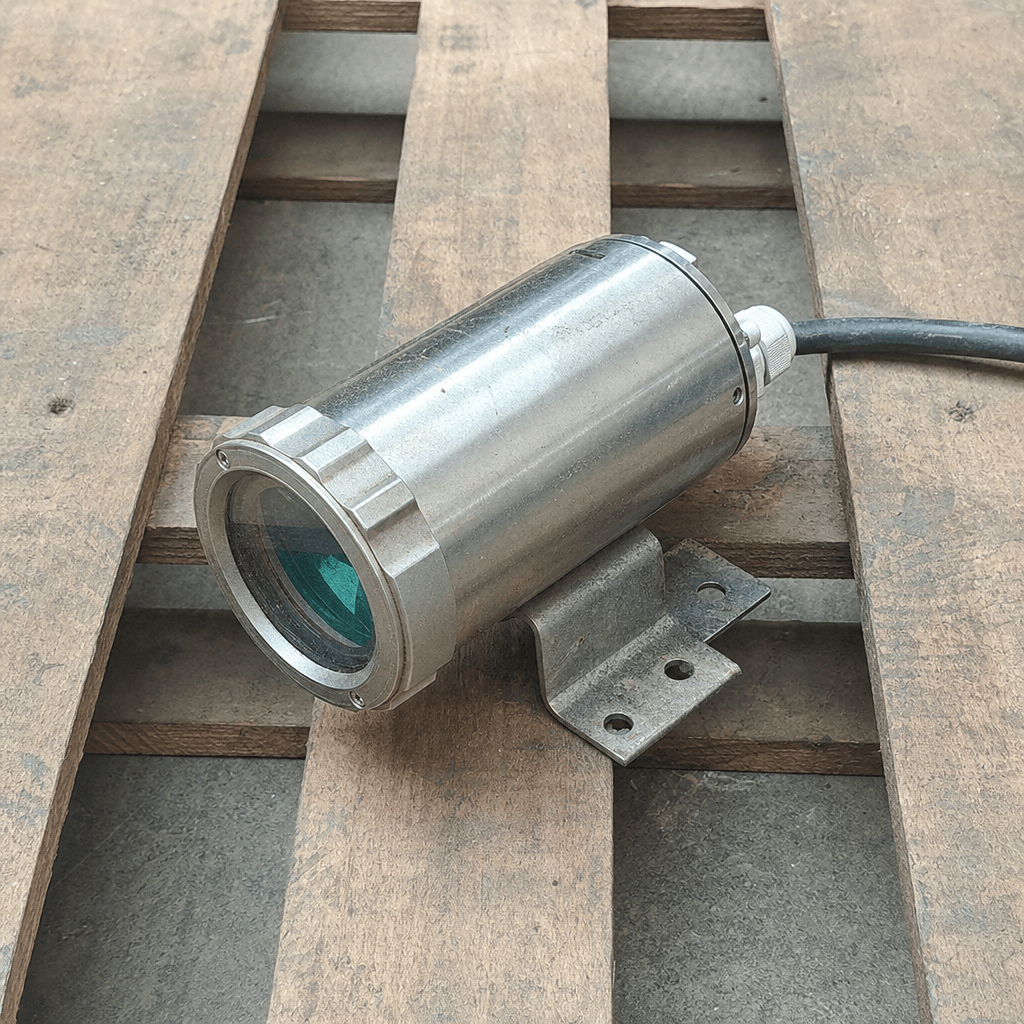
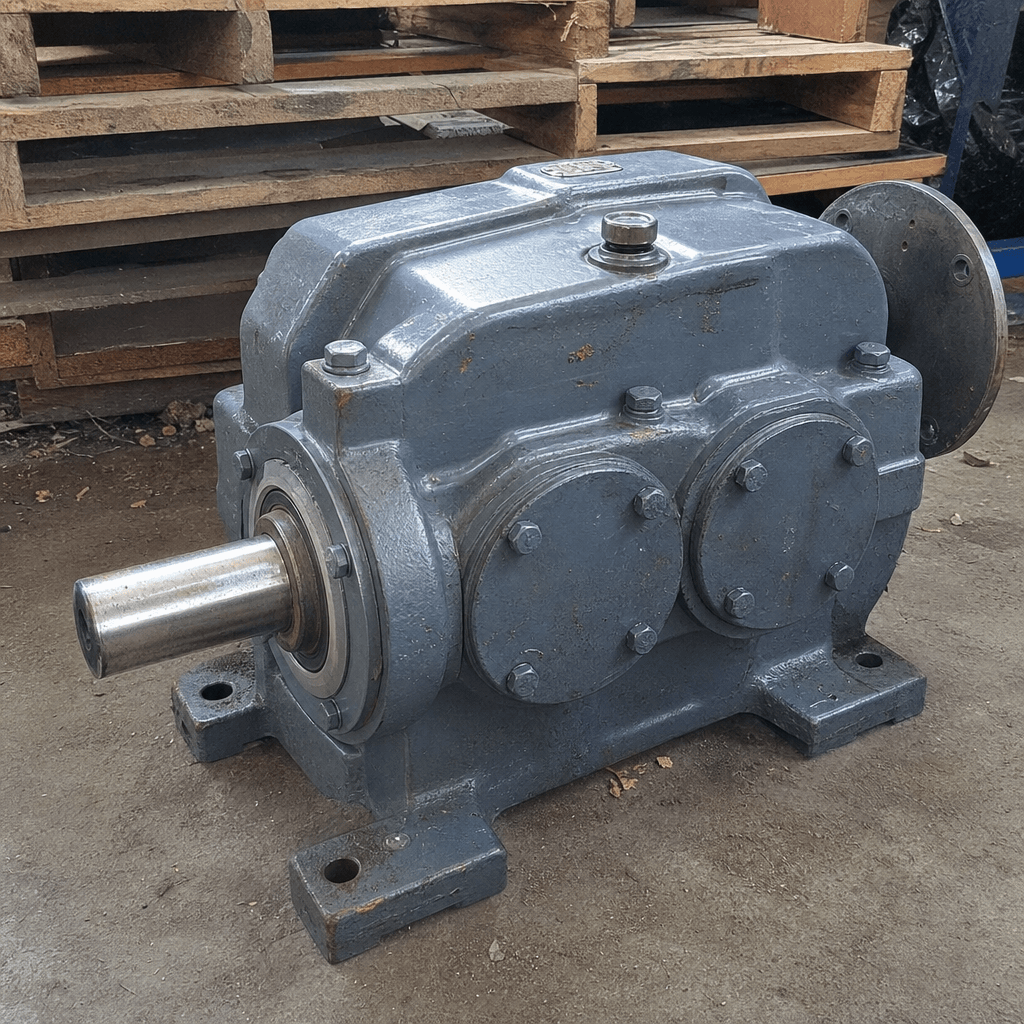
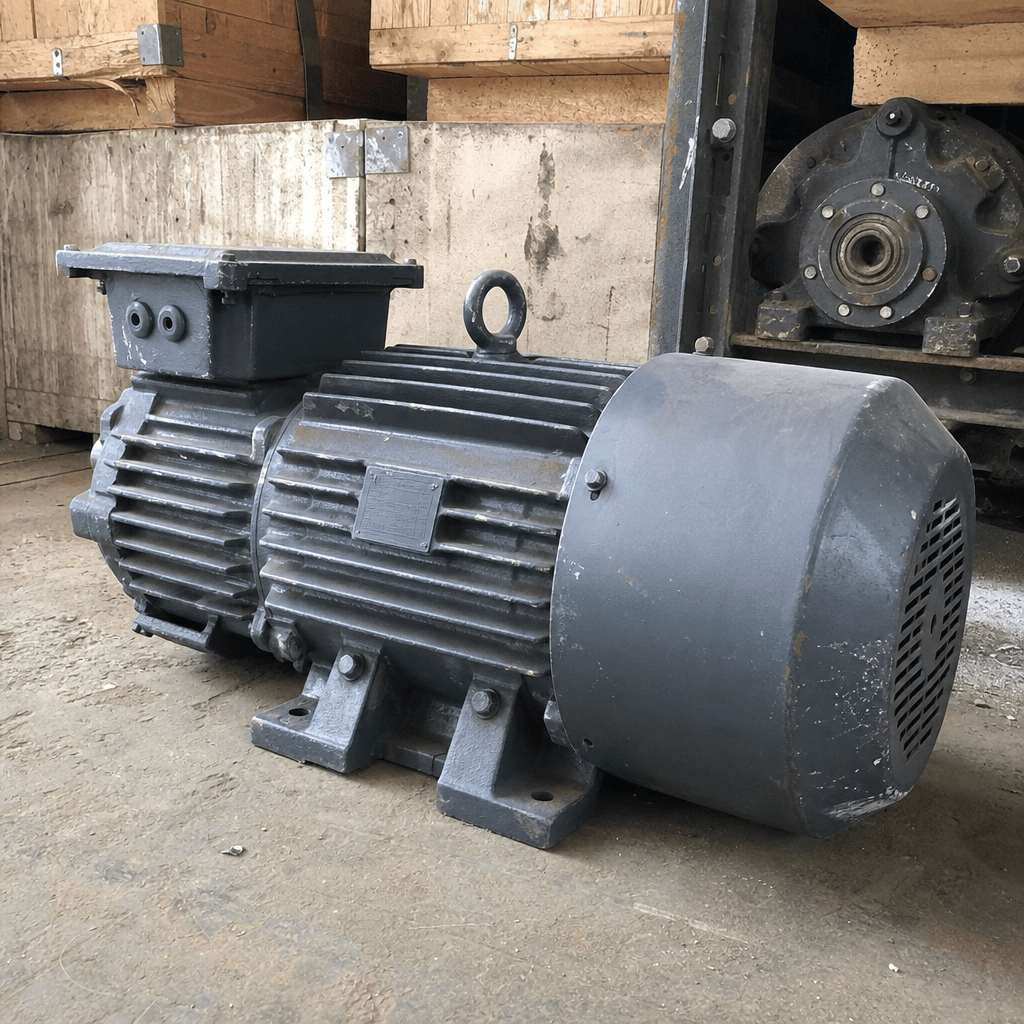
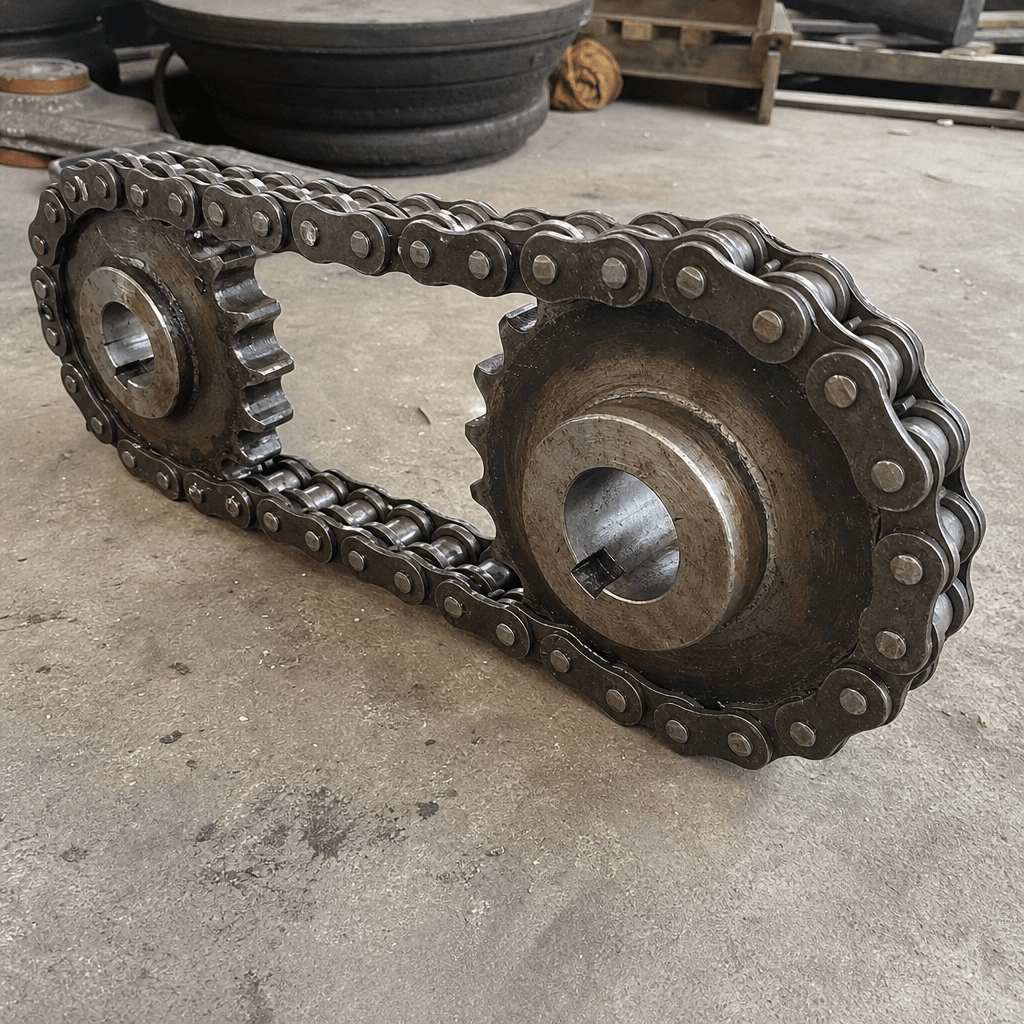
Genuine, precisely-toleranced components for the Asphalt Drum Mix Plant. Every part below has its own page with details and a direct enquiry — or message us the part you need.
Fabrication
18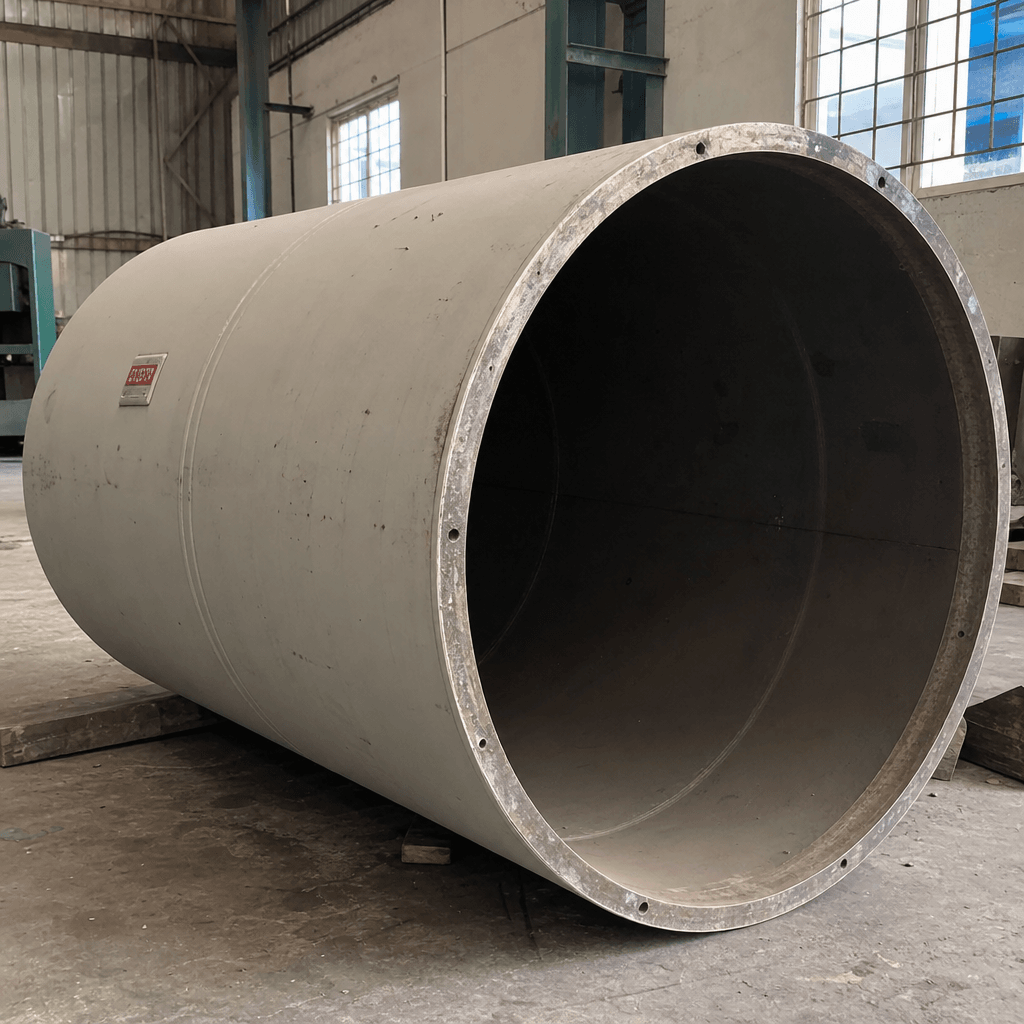
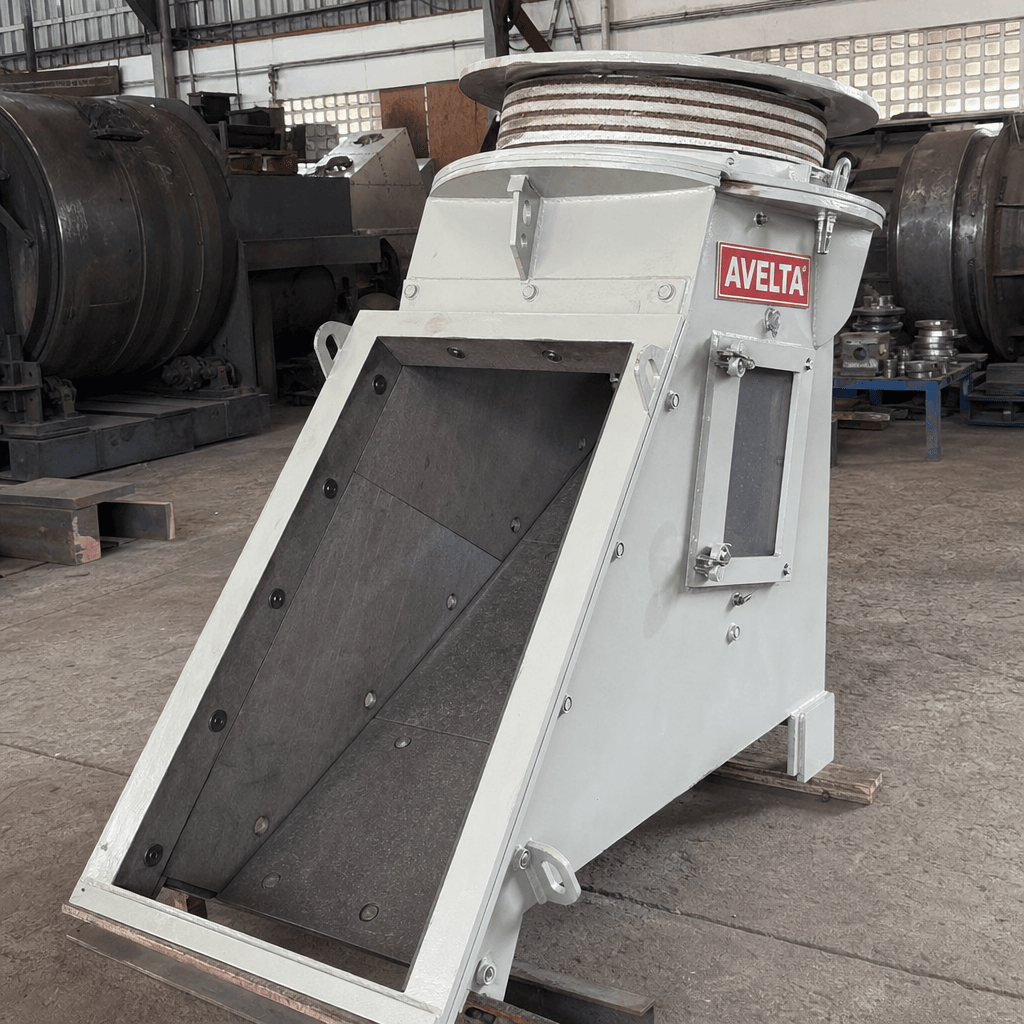
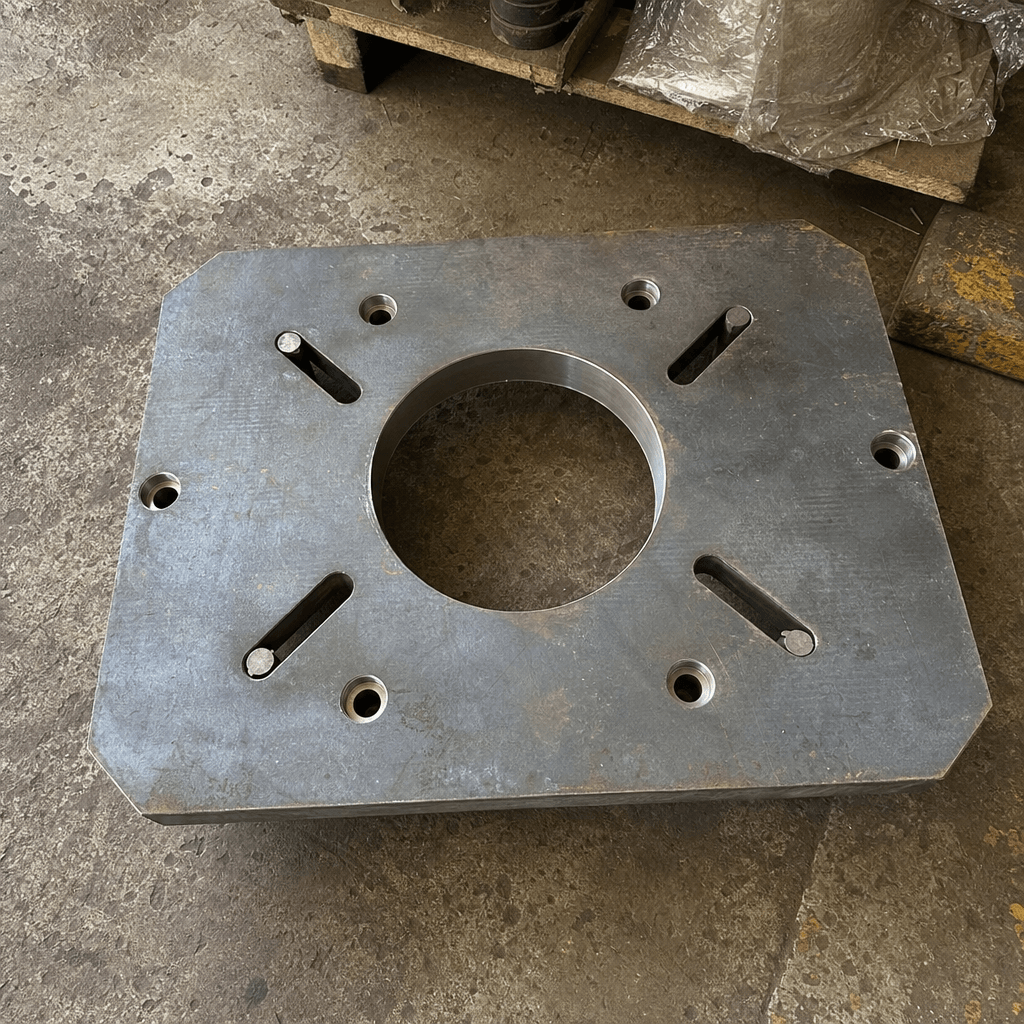
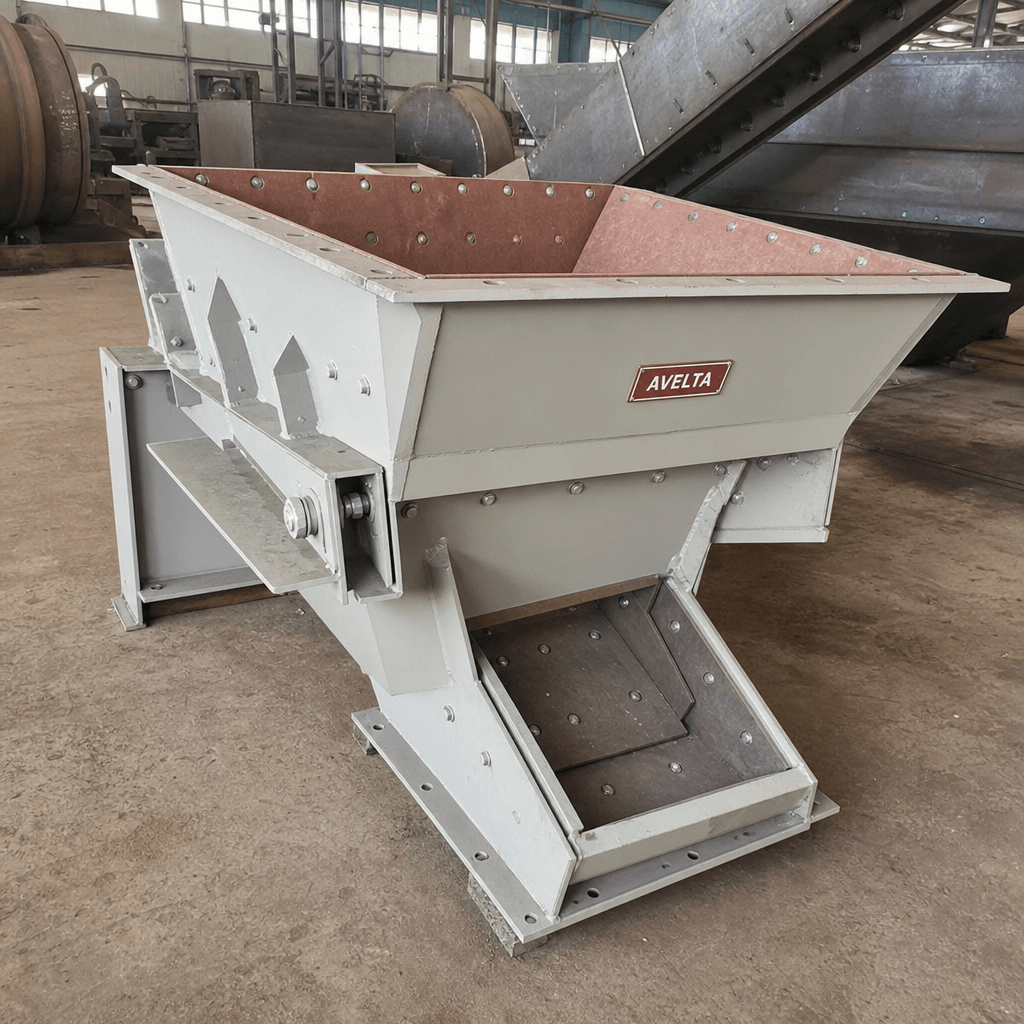
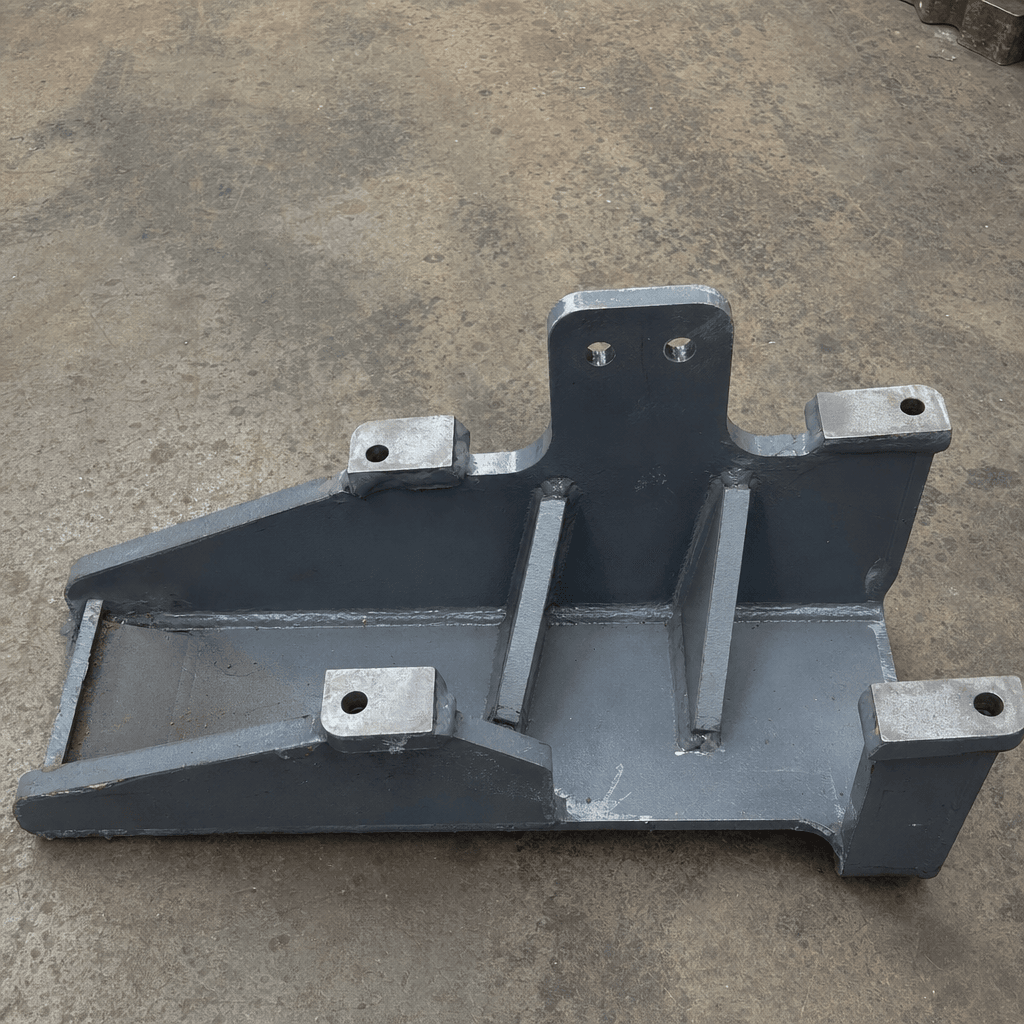
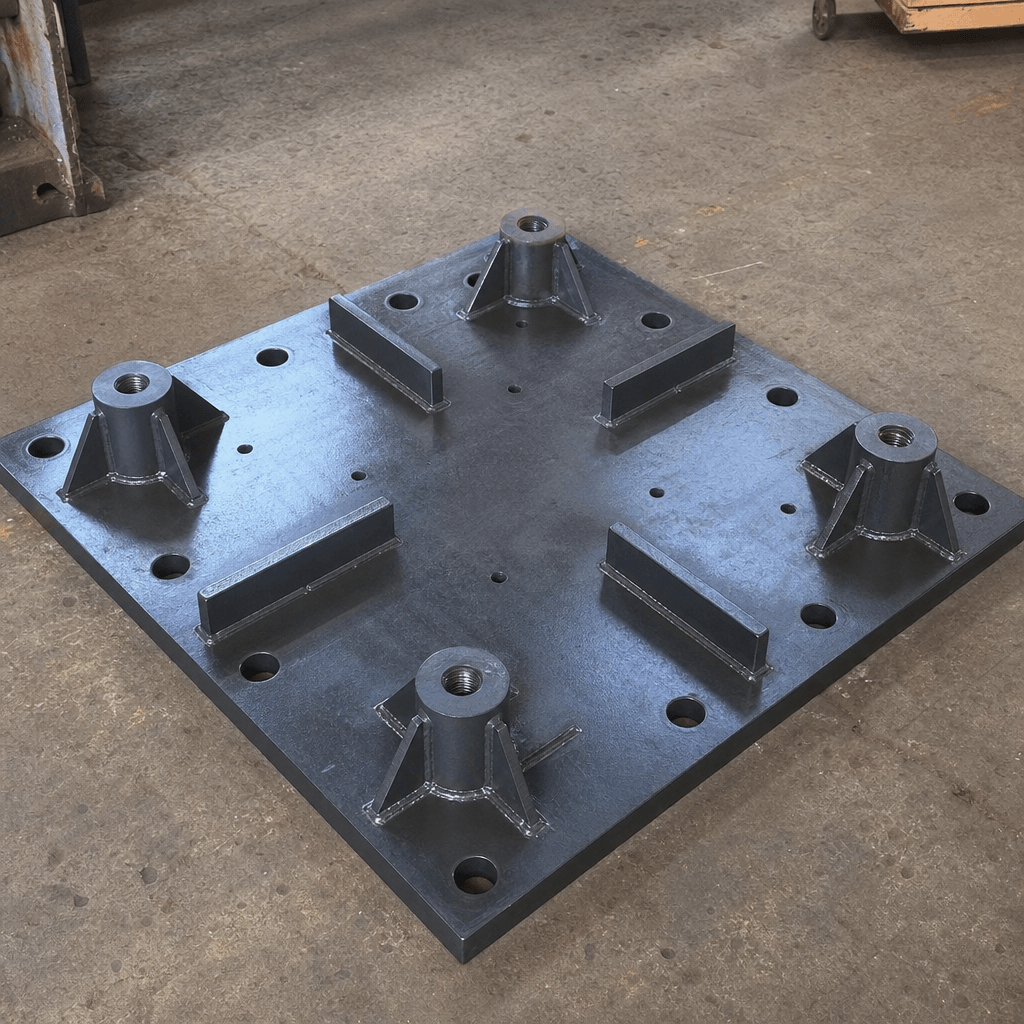
Machinery
20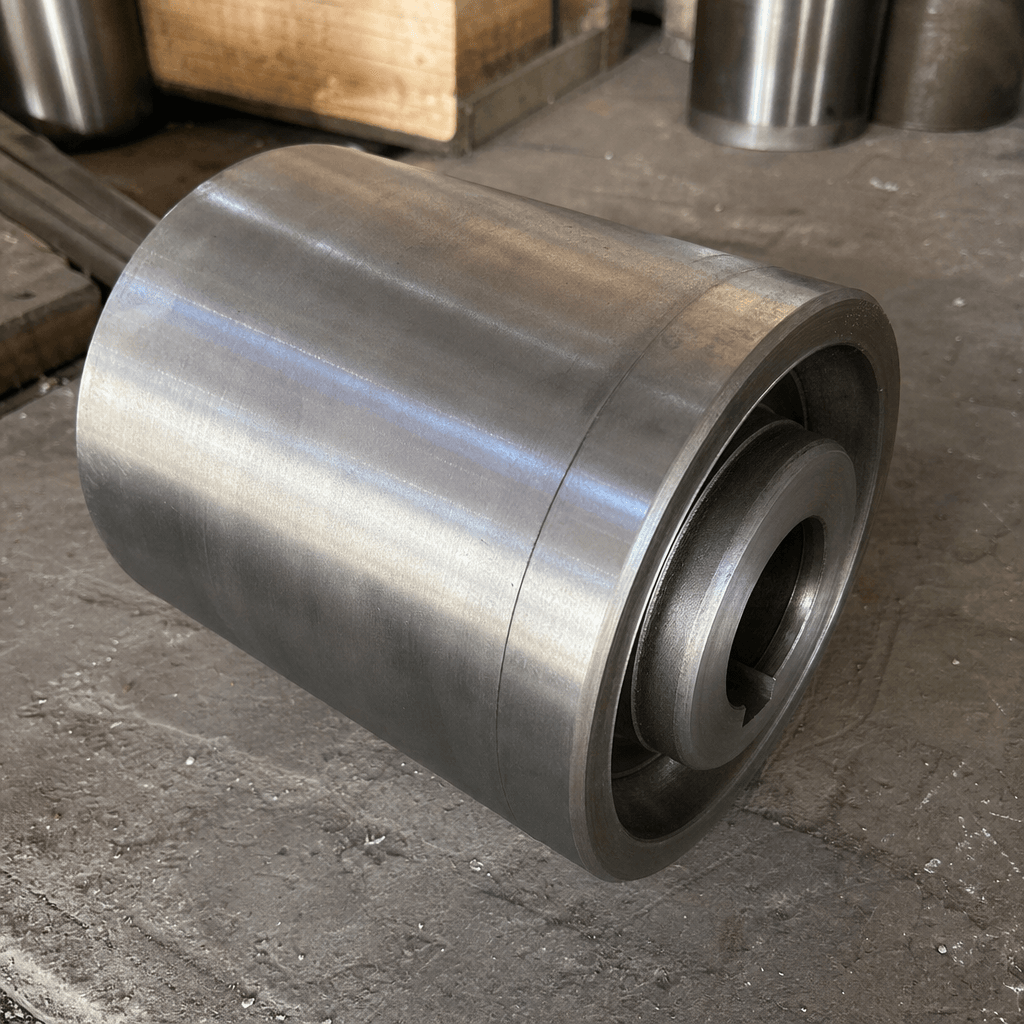
Ready to specify your Asphalt Drum Mix Plant?
Message us your target capacity and site details on WhatsApp, call +91 95747 68401, or request a detailed proposal.