
 1 / 3
1 / 3Avelta genuine part · AVL-DMP
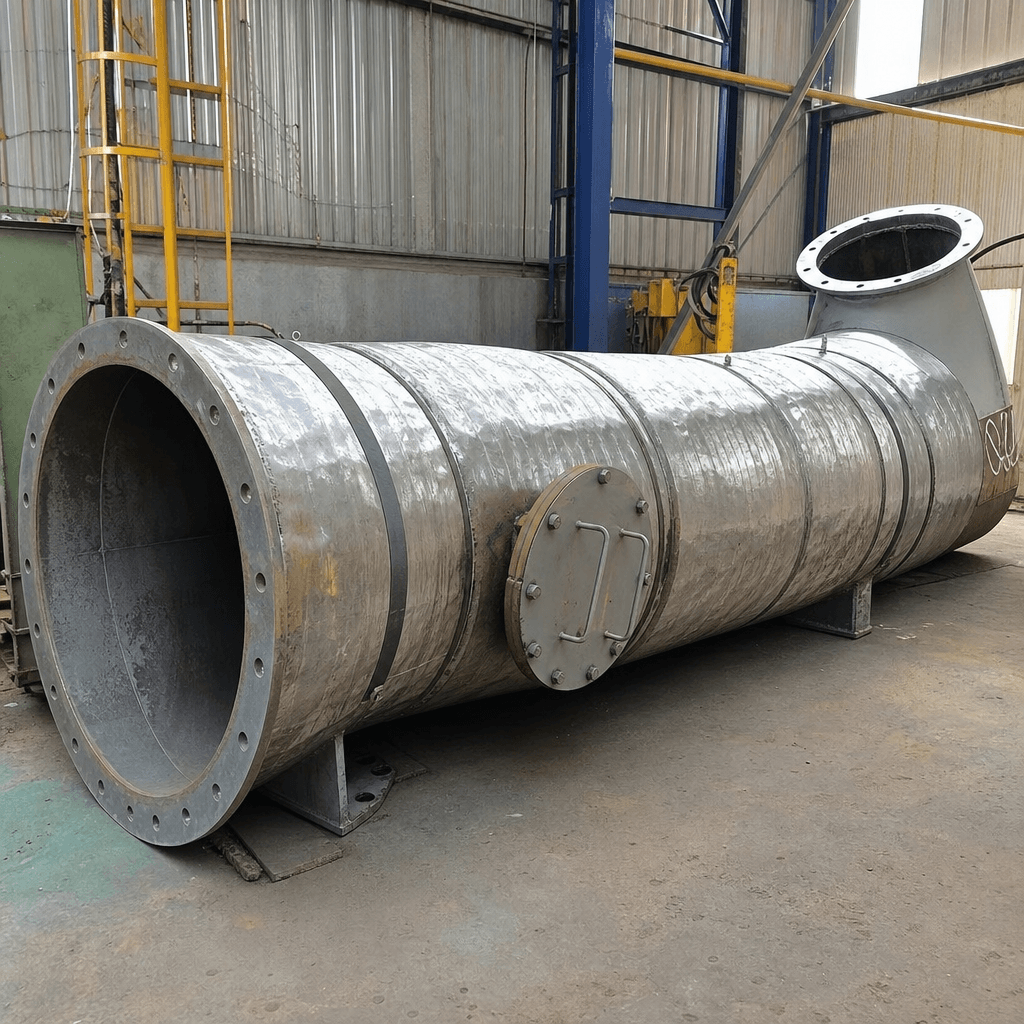
Ducting Pipe
Insulated steel exhaust ducting carrying hot dust-laden gas from the drum outlet to the baghouse or wet scrubber.
Enquire about this part
Fast response · genuine fitment · worldwide dispatch
At a glance
| Duct Diameter | 500–1,400 mm (plant-model matched) |
|---|---|
| Wall Thickness (straight sections) | 4–6 mm IS 2062 / ASTM A36 |
| Elbow Wear Liner | HARDOX 400, 6–8 mm, bolt-in, all ≥45° bends |
| Operating Gas Temperature | 120–200 °C |
| Design Gas Velocity | 12–20 m/s |
| Flange and Gasket | 10 mm flat-face flanges, high-temp aramid gasket, 400 °C rated |
| External Insulation | 75–100 mm mineral wool + aluminised steel cladding |
| Section Length | 1,500–2,000 mm flanged sections for field assembly |
Overview
The ducting pipe system carries hot, dust-laden exhaust gas from the drum outlet or counter-flow drum feed-end hood to the plant's pollution-control unit — either a pulse-jet baghouse filter or a wet scrubber. It operates continuously under negative pressure from the induced-draught fan, at gas temperatures typically ranging from 120–200 °C, and carries a burden of fine aggregate dust, mineral filler, and bituminous fume particles. Duct runs include straight sections, mitred or fabricated elbows, expansion joints, and transitions between the drum outlet geometry and the baghouse inlet geometry.
Because the system operates under negative pressure, air leakage inward is a more common problem than blowout. Any hole or poorly sealed joint allows cold ambient air infiltration, reducing gas temperature at the baghouse inlet, risking condensation on filter bags, and increasing the ID fan's required airflow. Gas temperature management through the duct run is critical for reliable baghouse filter performance and filter-bag service life.
Function
The duct system controls gas temperature, velocity, and distribution between the drum and the pollution-control unit. Correct velocity — typically 12–20 m/s in the main duct — prevents dust from settling in horizontal runs, which creates partial blockages and uneven gas distribution across the baghouse cell rows. Excessive velocity causes erosive wear of duct walls at elbows and transitions. Adequate external insulation prevents the gas from cooling below the acid dew point (approximately 110–130 °C for typical bituminous fuel fume), which would cause condensate corrosion of duct walls and filter-bag blinding, substantially increasing maintenance frequency.
Construction & quality
Straight sections fabricated from 4–6 mm mild steel (IS 2062 / ASTM A36) rolled plate with full longitudinal seam welds and circumferential girth welds. Elbows are fabricated with a minimum bend radius of 1.5 × duct diameter and lined at the outer wall with 6–8 mm HARDOX 400 bolt-in wear sections at all direction changes of 45° or greater. Flanged connections at all joints: 10 mm flat-face flanges jointed with high-temperature compressed-fibre (aramid) gaskets rated to 400 °C. External insulation: 75–100 mm mineral wool (96 kg/m³) clad in 0.7 mm aluminised steel banding. Bolted access ports (200 mm round covers) at every third section for internal inspection and tube cleaning. Sections are supplied in standard 1,500–2,000 mm lengths for transport and field assembly.
When to replace
- Localised thinning or perforation at elbow outer walls from abrasive dust-laden gas flow
- Cold spots or condensation on the duct exterior indicating insulation or cladding failure
- Dust settlement audible as redistribution thumping on duct walls during fan startup and shutdown
- Flange gasket failure indicated by visible dust leakage or streak staining at joint faces
- Corrosion pitting at the internal duct base in long horizontal runs from settled dust and moisture retention
Compatibility & fitment
Duct sections, elbows, and expansion joints are manufactured to the specific diameter, flange pattern, and section layout of each AVL-DMP model and its installed pollution-control unit; Avelta supplies individual elbow wear-liner replacement kits as a separate maintenance item.
Why buy from Avelta
Avelta ducting is supplied in pre-insulated, flange-matched sections with HARDOX wear-liners already installed in all elbows, enabling field assembly without specialist insulation labour and eliminating the risk of uninsulated hot sections being left in service.
Need this part shipped?
Tell us your plant model and destination — we'll confirm fitment, price and lead time.
WhatsApp AVL-DMP-14More Asphalt Drum Mix Plant parts
View all →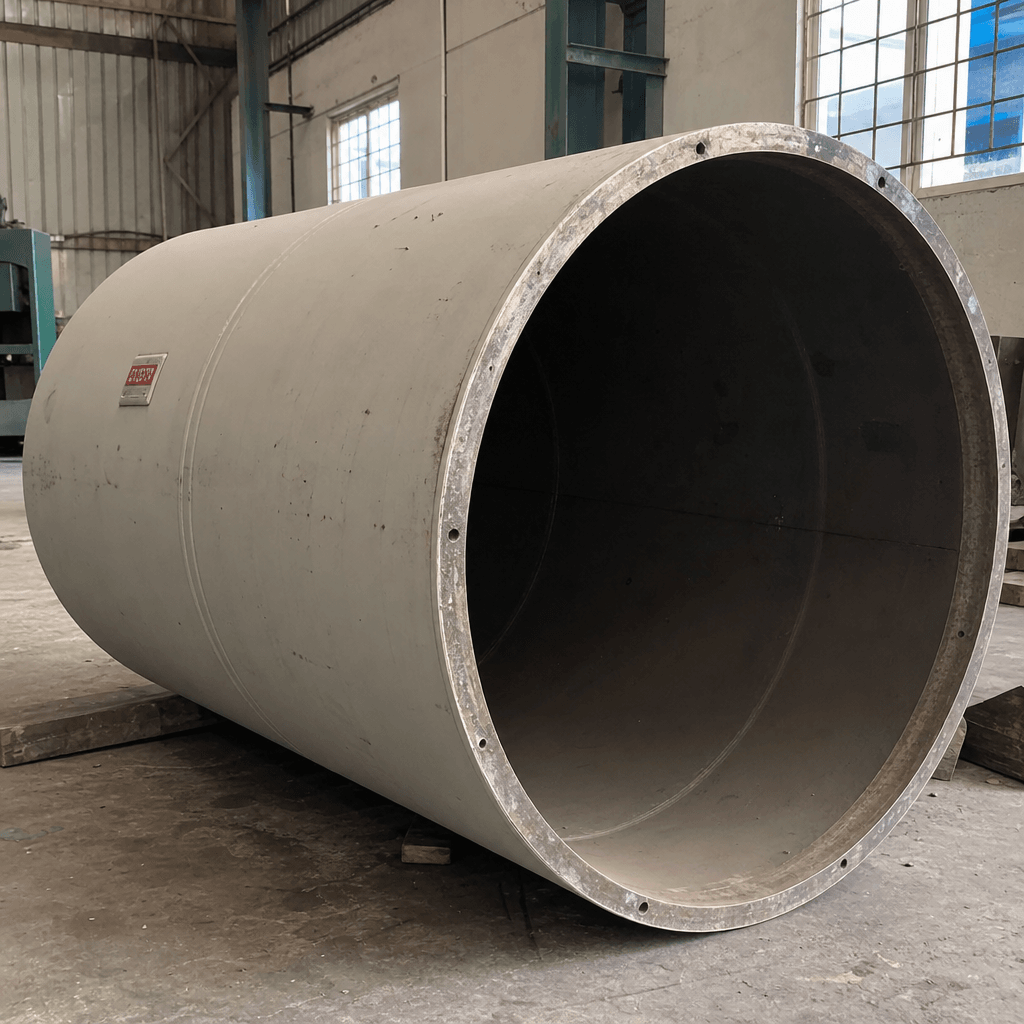 Fabrication
Drum Shell
Precision-rolled cylindrical shell forming the structural and thermal core of the AVL-DMP drum dryer-mixer.
Details & enquiry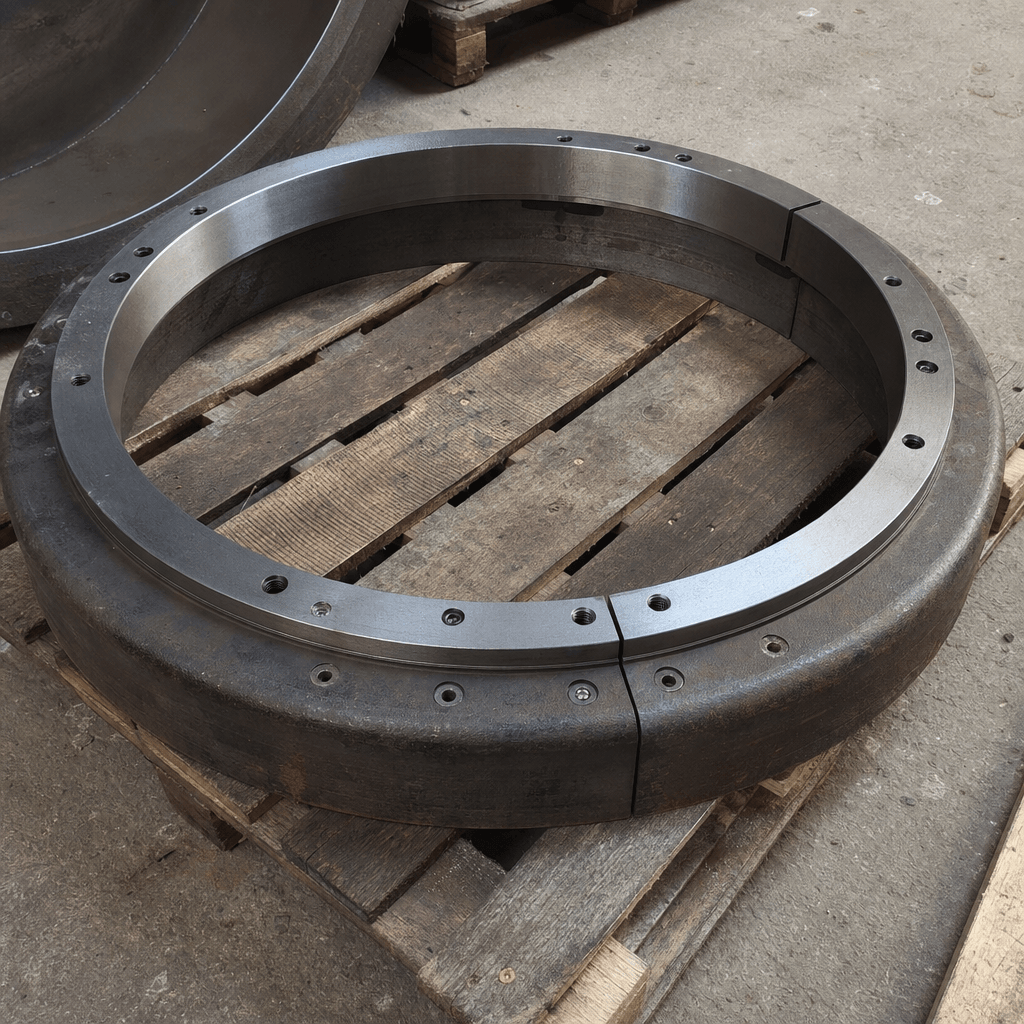 Fabrication
Segment / Riding Ring
Heavy-duty cast steel riding ring providing the drum's primary rotating bearing surface on trunnion rollers.
Details & enquiry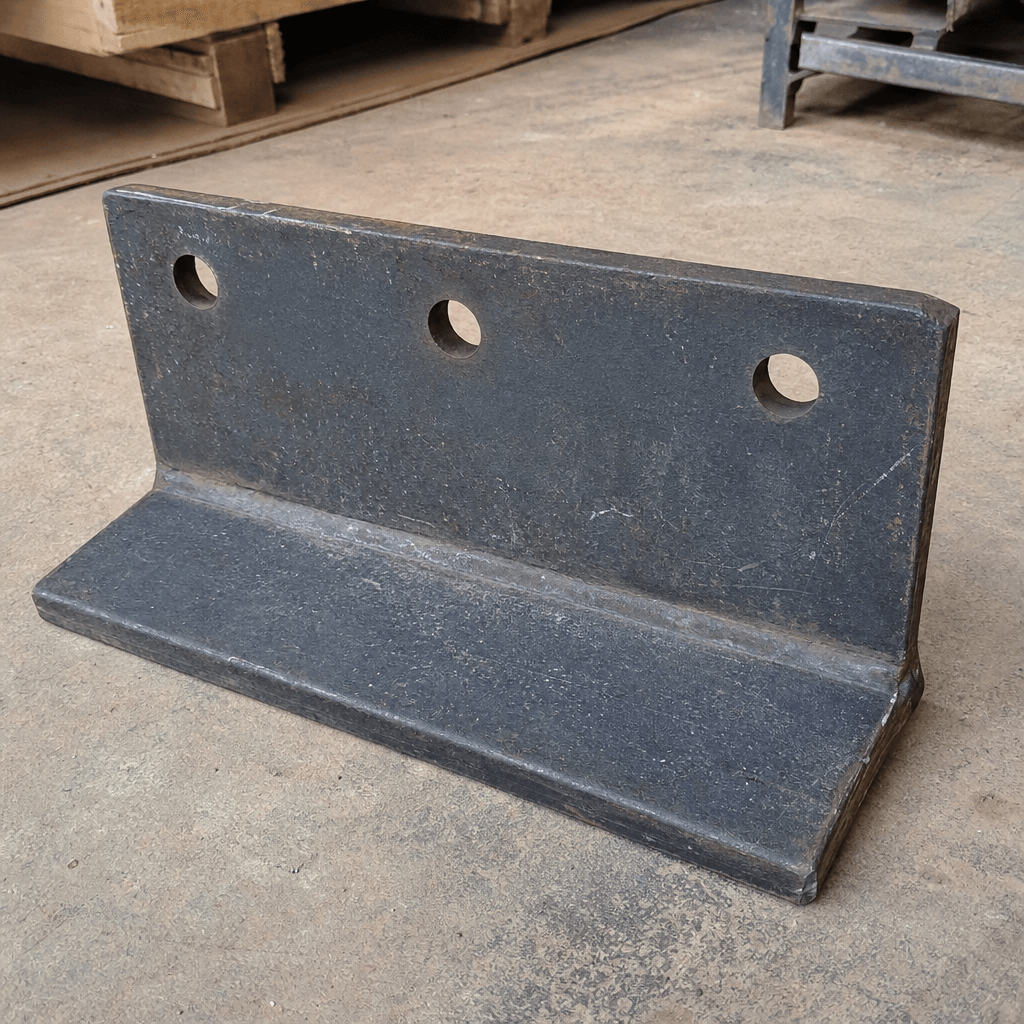 Fabrication
Dryer Lifting Flights
Wear-resistant internal flights that cascade aggregate through the drying zone for maximum heat transfer efficiency.
Details & enquiry Fabrication
Mixing Flights
Specially profiled internal flights that tumble heated aggregate with bitumen in the drum mixing zone.
Details & enquiry