
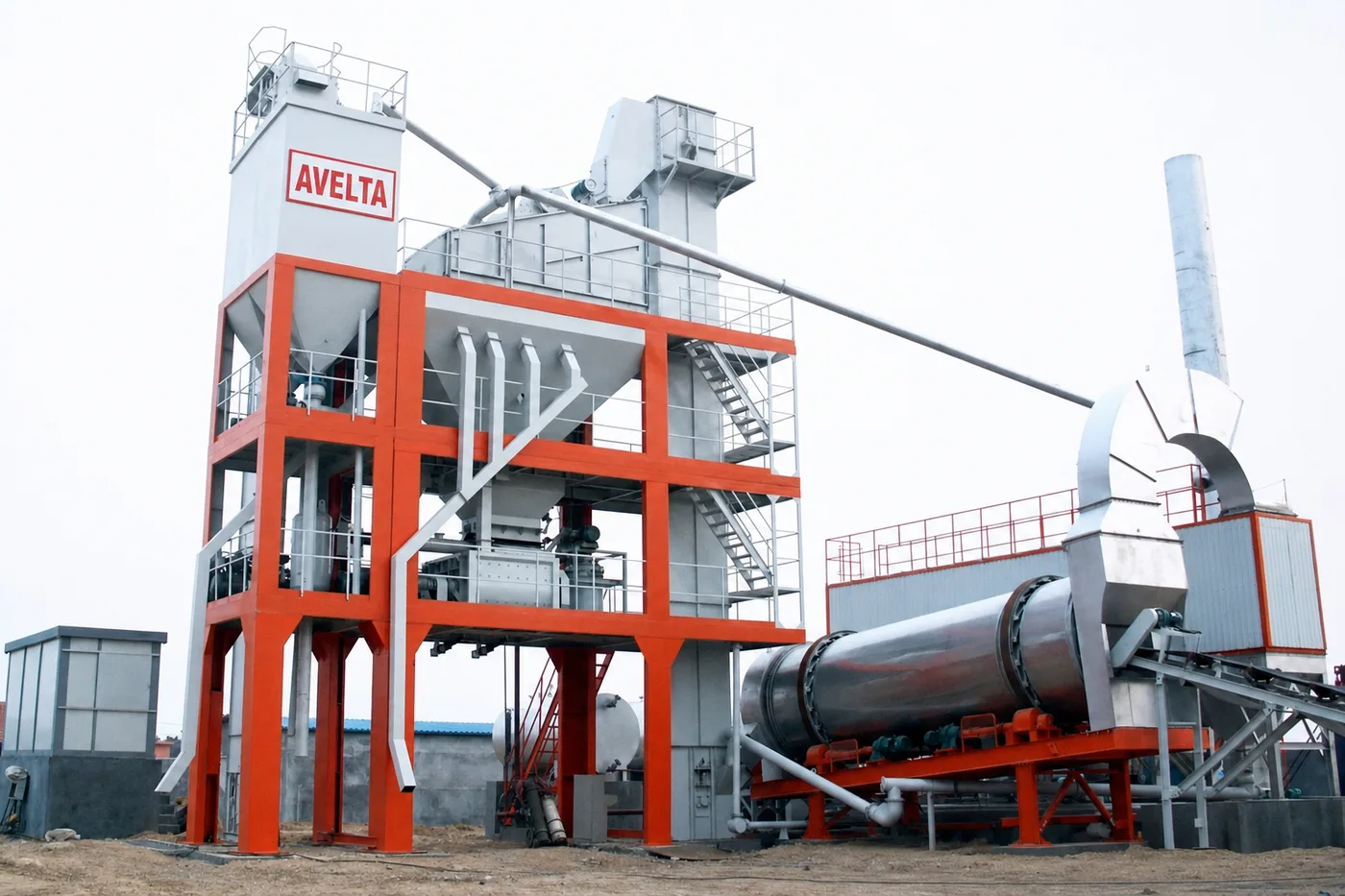
Asphalt Mixing · AVL-ABPMade to order
Available on request — manufactured to order. Contact us for lead time & quotation.
Asphalt Batch Mix Plant
Controlled Batch Asphalt Production for Roads That Last
40–320 TPH
Output capacity
6
Model variants
19
Spare parts
Product Photos
See the Asphalt Batch Mix Plant from every angle.
Real photographs of the Asphalt Batch Mix Plant on site — browse multiple angles to see the build, finish and layout up close.
1 / 3Overview
The Avelta AVL-ABP series is a range of stationary and semi-mobile asphalt batch mix plants engineered to produce hot-mix asphalt at controlled, recipe-accurate output capacities from 40 TPH to 320 TPH. Unlike drum-mix continuous plants, the batch process gives plant operators complete gravimetric control over every tonne of mix: aggregate fractions, reclaimed filler, mineral filler, and bituminous binder are each weighed individually to tolerance before being combined in the pugmill, ensuring mix-design compliance on the most demanding national highway and airport pavement specifications. The AVL-ABP range is specified by civil contractors, government road agencies, and toll-road concessionaires across Asia, Africa, the Middle East, and South America where recipe repeatability, quality documentation, and the ability to switch between multiple mix designs within minutes are non-negotiable procurement requirements.
The working cycle of the AVL-ABP is sequential and tightly managed. Cold, wet aggregate drawn from multiple calibrated feed bins passes through a high-capacity rotary drying drum where a multi-fuel forced-draught burner raises aggregate temperature to 155–175 °C (311–347 °F) while driving off incoming surface moisture. Hot aggregate is then elevated to a vibrating multi-deck screening tower, where it is separated into four or five precisely sized fractions held in insulated hot storage bins directly above the pugmill. Each batch cycle begins with individual gravimetric weighing of the required aggregate fractions, filler, and binder; the weighed charge drops into the twin-shaft paddle pugmill where bitumen is injected as a fine spray and a 35–50 second mixing cycle produces a uniform, fully coated hot-mix ready for discharge into trucks or a hot storage silo.
Avelta's engineering philosophy for the AVL-ABP centres on four priorities that carry decisive weight in export markets: structural robustness for high-utilisation site conditions, fuel efficiency in the drying and heating stage — which accounts for the largest share of operating cost — low-maintenance wear-part accessibility, and clean emission performance suited to urban project environments. Plant structures are fabricated from high-tensile structural steel, key wear surfaces in the mixer and drum are in replaceable hard-faced alloys, and the pulse-jet bag-filter dust collection system is sized to return particulate emissions below 50 mg/Nm³ under normal operating conditions. Avelta supports export buyers with pre-shipment factory acceptance testing, comprehensive installation documentation, and on-site commissioning teams who supervise erection, conduct trial production runs, and train operators and maintenance personnel before handover.
Typical applications
- National highway construction, carriageway widening, and grade-separated interchange surfacing
- Airport runway, taxiway, and apron pavement construction and rehabilitation
- Urban expressway and arterial road construction in congested project environments
- Industrial estate roads, port yard surfaces, and heavy logistics terminal pavements
- Bridge deck surfacing using stone mastic asphalt (SMA) or polymer-modified binder mixes
- Road rehabilitation, cold-milling, and thin-overlay resurfacing programmes
- Dense bitumen macadam (DBM) and bituminous macadam (BM) base and binder course production
- Race-track, test-track, and high-speed proving-ground surface-course production
| Plant Output Capacity | 40–320 TPH (model-dependent; based on aggregate at 3% surface moisture and 155 °C discharge temperature) |
|---|---|
| Pugmill (Batch) Capacity | 500 kg to 4,000 kg per batch (model-dependent) |
| Mixing Cycle Time | 35–50 seconds total (dry blend 10 s + binder injection 10–15 s + wet mix 15–25 s, model and recipe dependent) |
| Drying Drum | Diameter × length: 1.0 m × 5.0 m (AVL-ABP 40) to 2.2 m × 9.5 m (AVL-ABP 320); co-flow or counter-flow configuration |
| Burner Type and Fuel | Multi-fuel forced-draught rotary burner; heavy fuel oil (HFO), light diesel oil (LDO), or natural gas; turndown ratio up to 1:3 |
| Aggregate Moisture Handling | Up to 5% surface moisture at rated throughput; up to 8% with derated output |
| Hot Aggregate Screening | 4-deck vibrating screen; 5-compartment insulated hot storage bin above pugmill; hot bin storage capacity 20–100 t (model-dependent) |
| Cold Feed Bins | 4 standard (expandable to 6); each bin fitted with variable-speed belt feeder and calibrated gate; individual bin capacity 10–25 m³ |
| Bitumen / Binder Storage | 30,000–80,000 litres; thermally insulated double-skin tanks with thermic-oil or electric heating; temperature maintained at 150–180 °C |
| Filler System | Dual-compartment silo: one chamber for reclaimed bag-filter fines, one for virgin mineral filler; individual load-cell weigh hopper |
| Dust Collection | Pulse-jet bag-filter unit; particulate emission ≤50 mg/Nm³ at stack under normal operating conditions; collected fines returned to filler circuit |
| Control System | PLC-based fully automatic control with colour touchscreen HMI; ≥500 mix recipes stored; batch-by-batch production logging with export to CSV/PDF |
| Installed Power | 120–650 kW total connected load (model-dependent); 380–415 V / 50 Hz or 460 V / 60 Hz supply (configured to buyer's grid) |
| Estimated Fuel Consumption | 6–9 litres of diesel equivalent per tonne of mix produced (at 3–5% aggregate moisture; HFO firing reduces per-tonne fuel cost significantly) |
Working Principle
How the Asphalt Batch Mix works
- 01
Cold Aggregate Feeding
Multiple variable-speed cold feed bins meter individual aggregate fractions — typically 0–6 mm, 6–12 mm, 12–20 mm, and 20–40 mm — onto a collecting conveyor at calibrated volumetric rates. An optional scalping screen ahead of the drum removes oversize material before it enters the drying circuit.
- 02
Drying and Heating
The aggregate blend travels through a counter-flow or co-flow rotary drying drum fired by a high-efficiency multi-fuel burner. Cascading internal flights expose every particle to the hot gas stream, driving surface moisture below 0.5% and raising aggregate temperature to 155–175 °C ready for screening and mixing.
- 03
Hot Aggregate Elevation
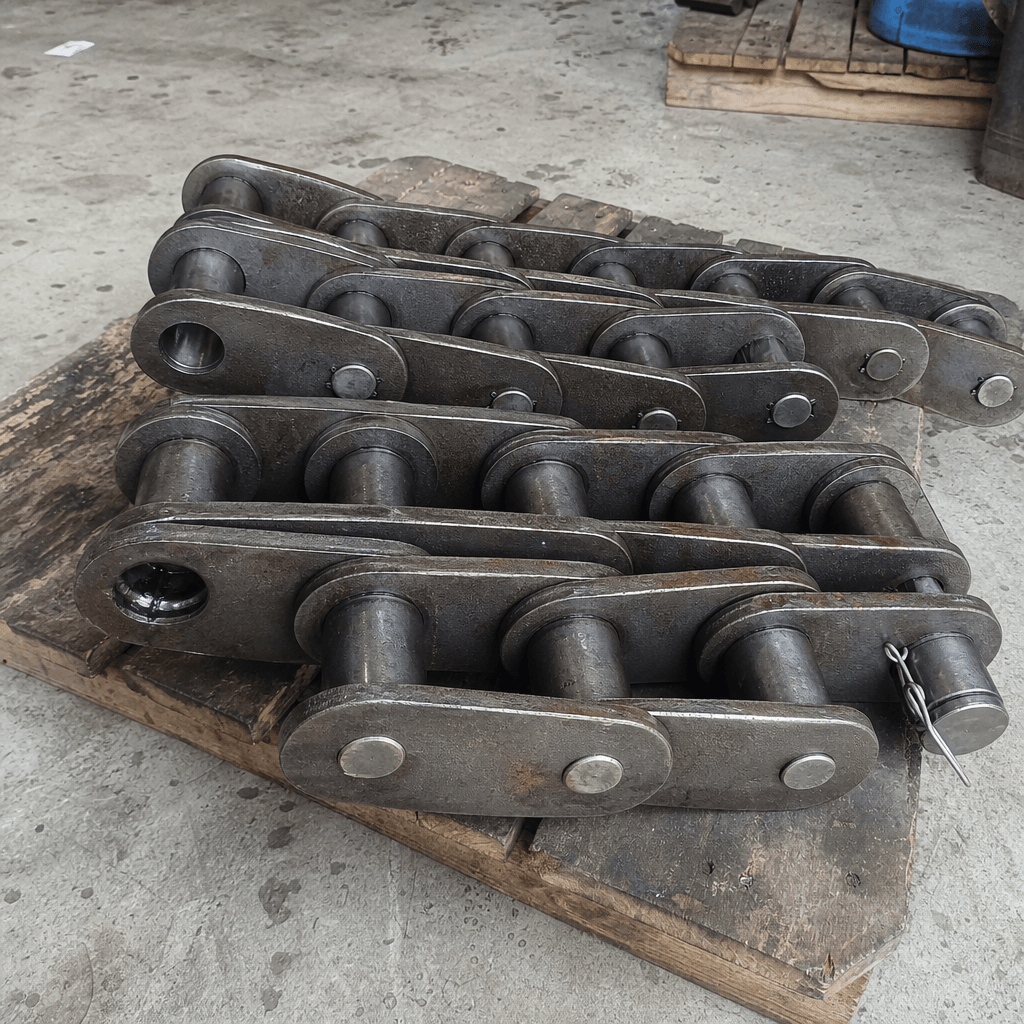
A bucket elevator fitted with high-carbon steel buckets lifts the dried, heated aggregate continuously from the drum outlet to the top of the screening and storage tower. The elevator housing is enclosed and dust-tight to prevent heat loss and contain fine particulates.
- 04
Hot Screening and Segregation
A multi-deck vibrating screen — typically four wire-cloth decks — classifies the hot aggregate stream into four or five graded fractions, each directed into a dedicated compartment of the insulated hot storage bin positioned directly above the pugmill. Oversize or off-spec material is bypassed to a reject chute.
- 05
Gravimetric Batch Weighing
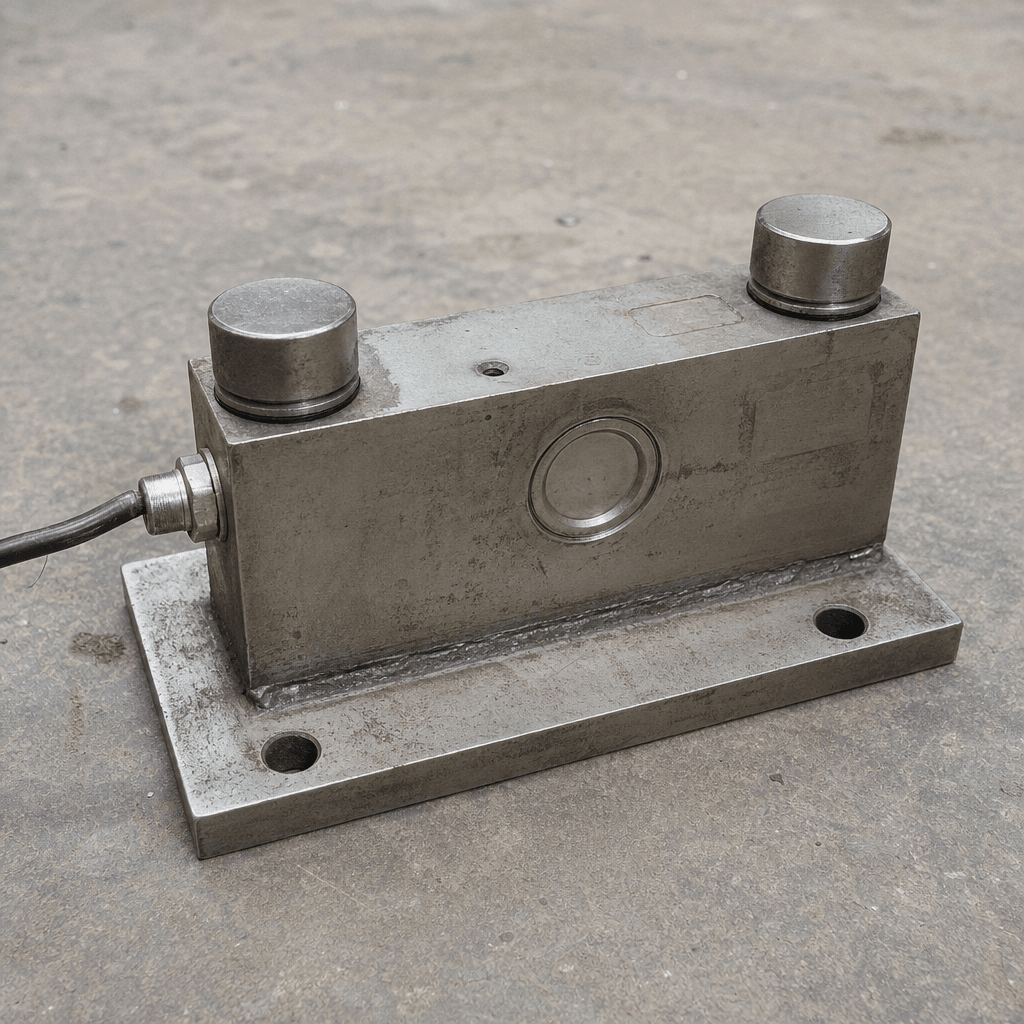
At the start of each batch cycle, aggregate fractions are discharged in sequence from the hot bin gates onto a suspended weigh hopper monitored by load cells; mineral filler and reclaimed dust are weighed separately in a filler weigh hopper; and bituminous binder is metered by weight in a heated binder weigh vessel. Each component is held to a tolerance of ±0.5% of the target batch mass.
- 06
Pugmill Mixing
The weighed aggregate and filler charge drops into the twin counter-rotating shaft pugmill; hot bitumen is injected through a spray bar as a fine, uniform film across the aggregate surface. A 35–50 second mixing cycle — comprising dry-blend, binder injection, and wet-mix phases — produces a homogeneous, fully coated hot-mix asphalt batch.
- 07
Discharge and Dispatch
The completed batch is discharged through a bottom-opening pugmill gate into a waiting tipper truck, an intermediate holding hopper, or a multi-compartment hot storage silo that buffers output against truck availability. The silo maintains mix temperature for up to several hours, extending productive dispatch windows without quality loss.
Engineered Advantages
Why buyers specify the Avelta ABP.
Multi-Fuel Forced-Draught Burner with Low Specific Consumption
The AVL-ABP burner is engineered for efficient fuel atomisation across a 1:3 turndown range, maintaining a stable flame and consistent aggregate temperature from light starts to full throughput. Drum flight geometry and cascade pattern are matched to burner output at each model size to minimise fuel consumption per tonne of mix produced — typically 6–9 litres of diesel equivalent — the single largest operating cost lever available to the plant manager.
Gravimetric Weighing to Mix-Design Tolerance
Every component in every batch — aggregate fractions, reclaimed filler, virgin mineral filler, and bituminous binder — is individually weighed on calibrated load-cell scales to a target tolerance of ±0.5% by mass. This level of accuracy satisfies the recipe traceability requirements of national highway specifications and supports the batch-by-batch quality records required on audited government contracts.
Robust Twin-Shaft Pugmill with Replaceable Wear Parts
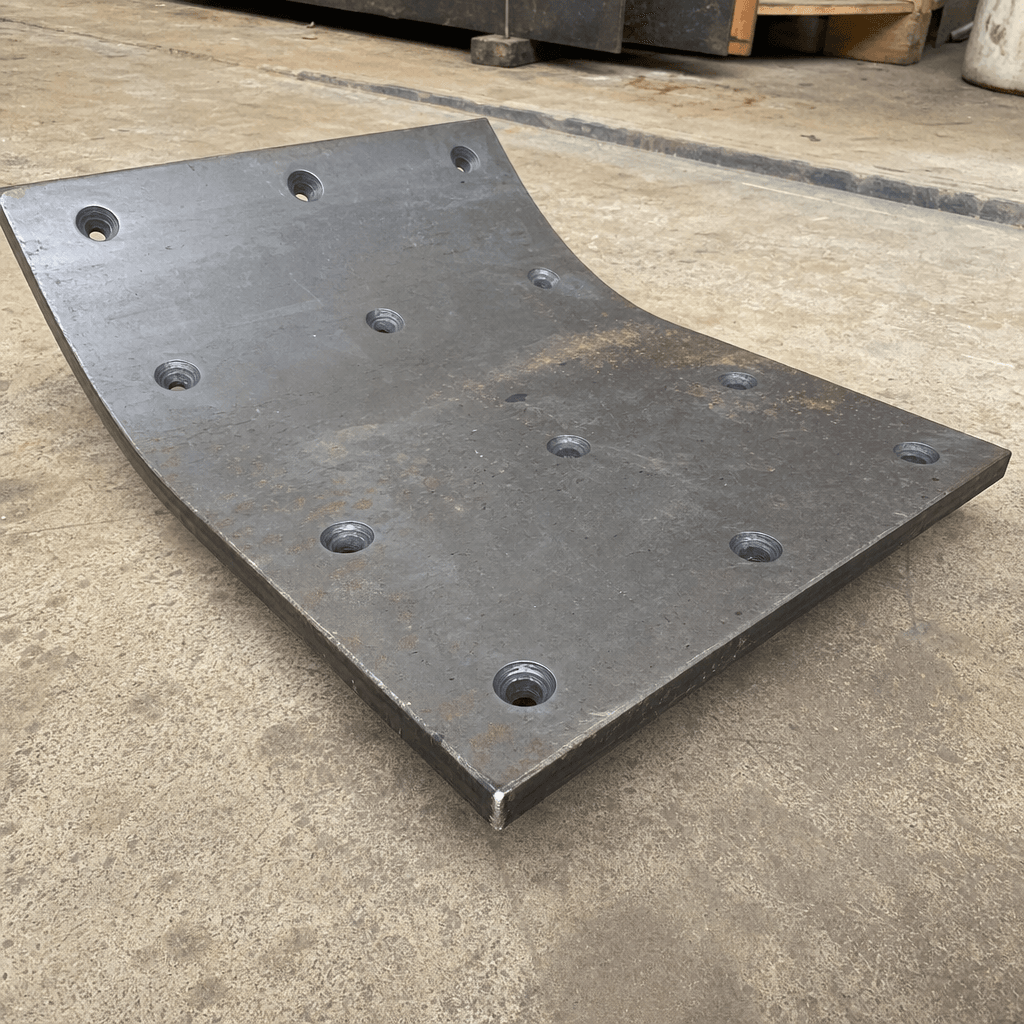
The heart of the AVL-ABP is a twin counter-rotating shaft paddle pugmill with individually replaceable hard-faced paddle tips and Hardox or chrome-carbide interior liner plates. The paddle geometry delivers complete aggregate coating in a short cycle time without over-stressing the binder, and worn tips can be replaced in the field by a site team without specialist equipment, keeping planned maintenance within a standard shift window.
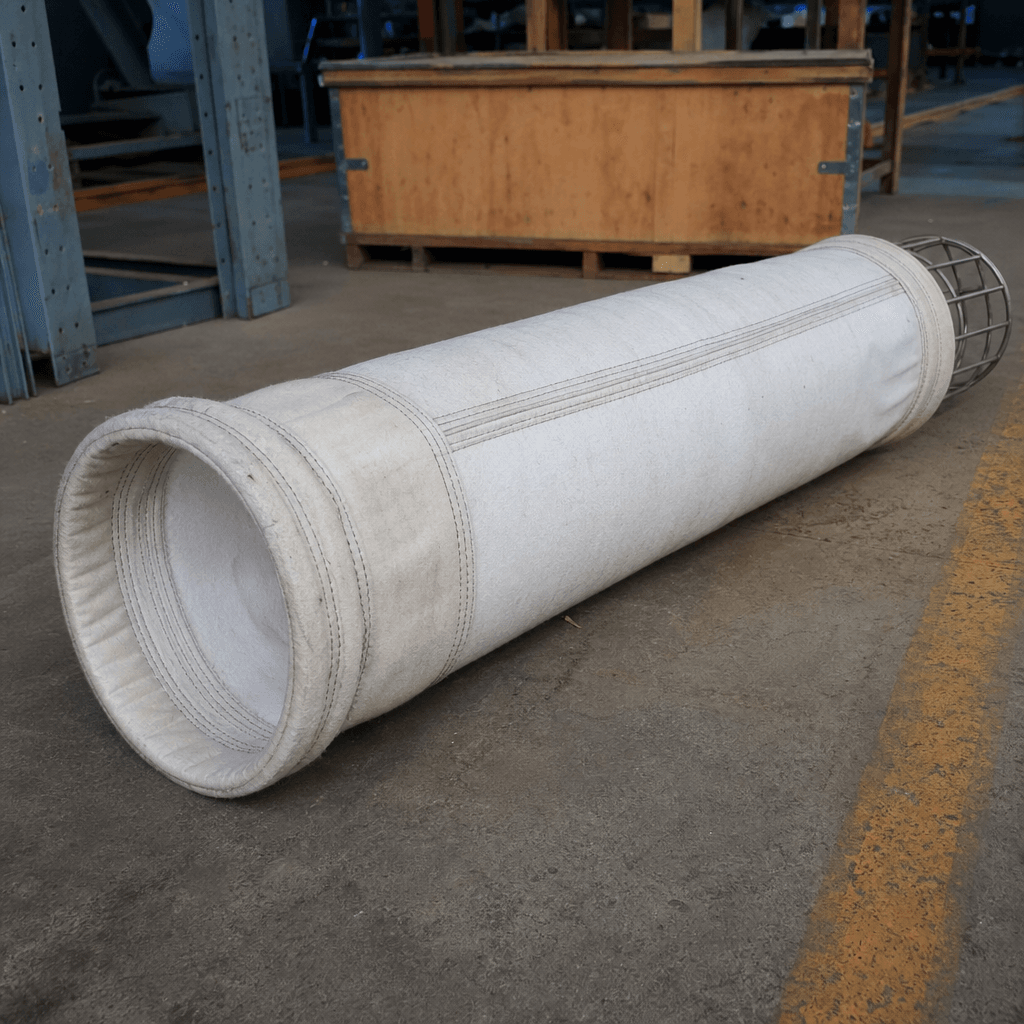
Pulse-Jet Bag-Filter Dust Collection
A fully enclosed pulse-jet reverse-air bag-filter unit draws dust-laden exhaust from the drying drum and transfer points, capturing particulates to below 50 mg/Nm³ at the stack. Collected fines are returned pneumatically to the filler weigh circuit, eliminating waste disposal cost and recovering reclaimed filler for use within the mix design. The system is sized with adequate filtration area to maintain performance under high-moisture aggregate loads.
PLC Automation with Full Recipe and Production Management
The integrated PLC control system automates every stage of the batch cycle — aggregate gate sequencing, conveyor interlocking, burner modulation, weighing, pugmill timing, and discharge — from a single colour touchscreen operator station. Up to 500 mix recipes can be stored and recalled instantly, allowing the plant to switch between surface course, binder course, and base course specifications without idle time. Batch-by-batch production logs provide the quality documentation required on supervised contracts.
Modular Bolted Structure for Relocation and Export
The AVL-ABP plant structure is designed in bolted modular sections dimensioned to load in standard 40-foot flat-rack or open-top containers, reducing freight cost and clearing port and customs formalities without abnormal-load permits on most corridors. Modular construction also allows the plant to be relocated between project phases — dismantled, transported, and re-erected using site cranes and standard rigging — without permanent civil foundations on the first installation.
Accessible Serviceability and Extended Component Life
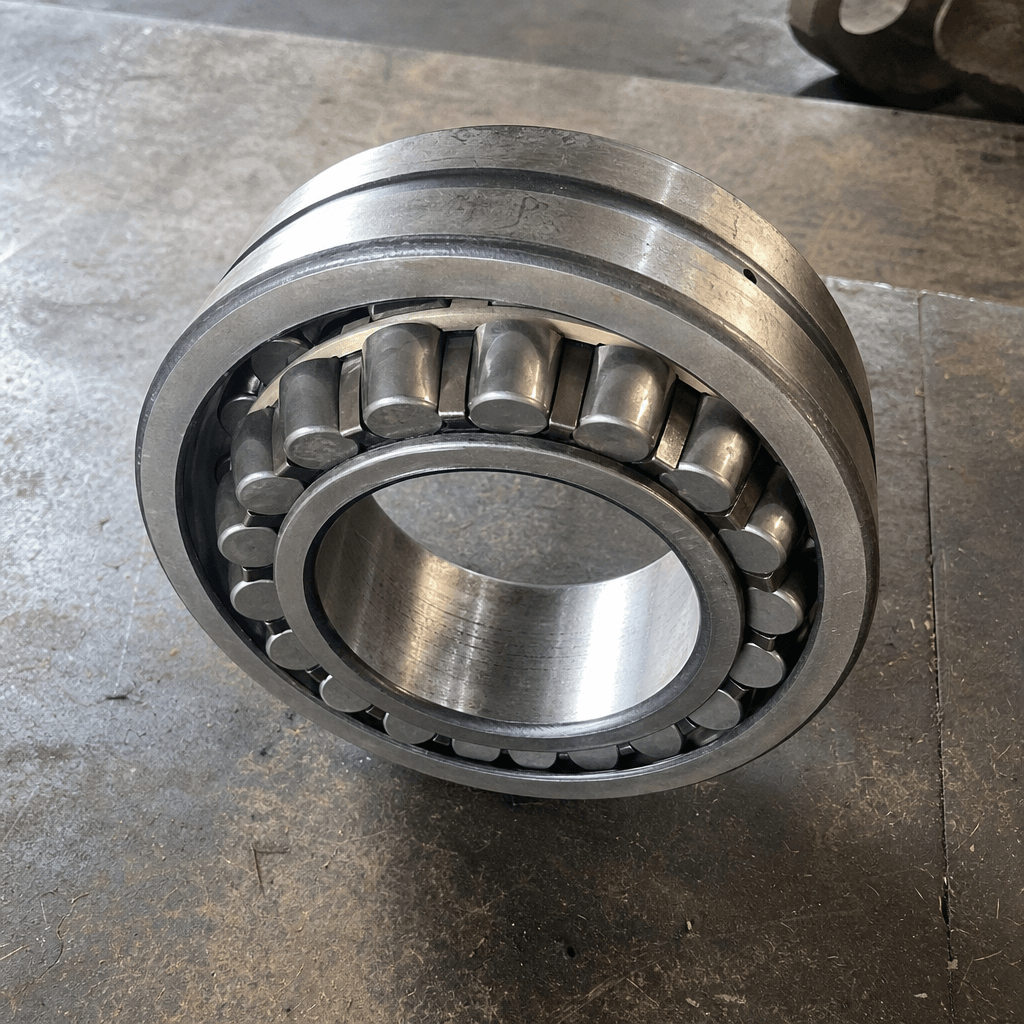
Maintenance access platforms, walkways, and hinged inspection doors are designed into the plant at the drum, elevator, screen, and pugmill levels, allowing a site maintenance team to carry out scheduled checks and wear-part replacements safely during planned downtime. Critical bearing housings are labyrinth-sealed against dust and bitumen ingress, grease points are consolidated and labelled, and Avelta maintains a recommended spare parts inventory list matched to each model's expected wear rates.
Export Commissioning and Operator Training
Avelta provides pre-shipment factory acceptance testing witnessed by the buyer's representative, full erection and operation manuals prepared in the buyer's preferred language, and dedicated commissioning engineers who travel to the installation country to supervise erection, conduct cold and hot trial runs, calibrate all weighing systems, and deliver structured operator and maintenance training before formal plant handover.
Model Range
Choose the capacity for your output.
| Model | Capacity | Notes | |
|---|---|---|---|
| AVL-ABP 40 | 40 TPH | Compact semi-mobile plant with 500 kg pugmill; suited to rural road contracts, rehabilitation overlays, and sites with restricted access or modest daily output targets | Enquire → |
| AVL-ABP 80 | 80 TPH | State-road workhorse with 1,000 kg pugmill and 4 cold feed bins standard; balances mobility with consistent output for district and secondary highway projects | Enquire → |
| AVL-ABP 120 | 120 TPH | Most widely specified model in the range; 1,500 kg pugmill, 5-compartment hot bin, and full bag-filter system; suits national-highway and urban expressway contracts | Enquire → |
| AVL-ABP 160 | 160 TPH | High-throughput model with 2,000 kg pugmill; recommended for continuous paving operations on expressways, bypasses, and airport pavement projects requiring extended daily output | Enquire → |
| AVL-ABP 240 | 240 TPH | Large-scale fixed plant with 3,000 kg pugmill, expanded hot-bin storage, and dual bitumen tanks; configured for long-tenure national highway programmes and concession contracts | Enquire → |
| AVL-ABP 320 | 320 TPH | Maximum-capacity plant with 4,000 kg pugmill; designed for dedicated fixed installations serving high-volume corridor projects where uninterrupted multi-shift production is required | Enquire → |
Spare Parts
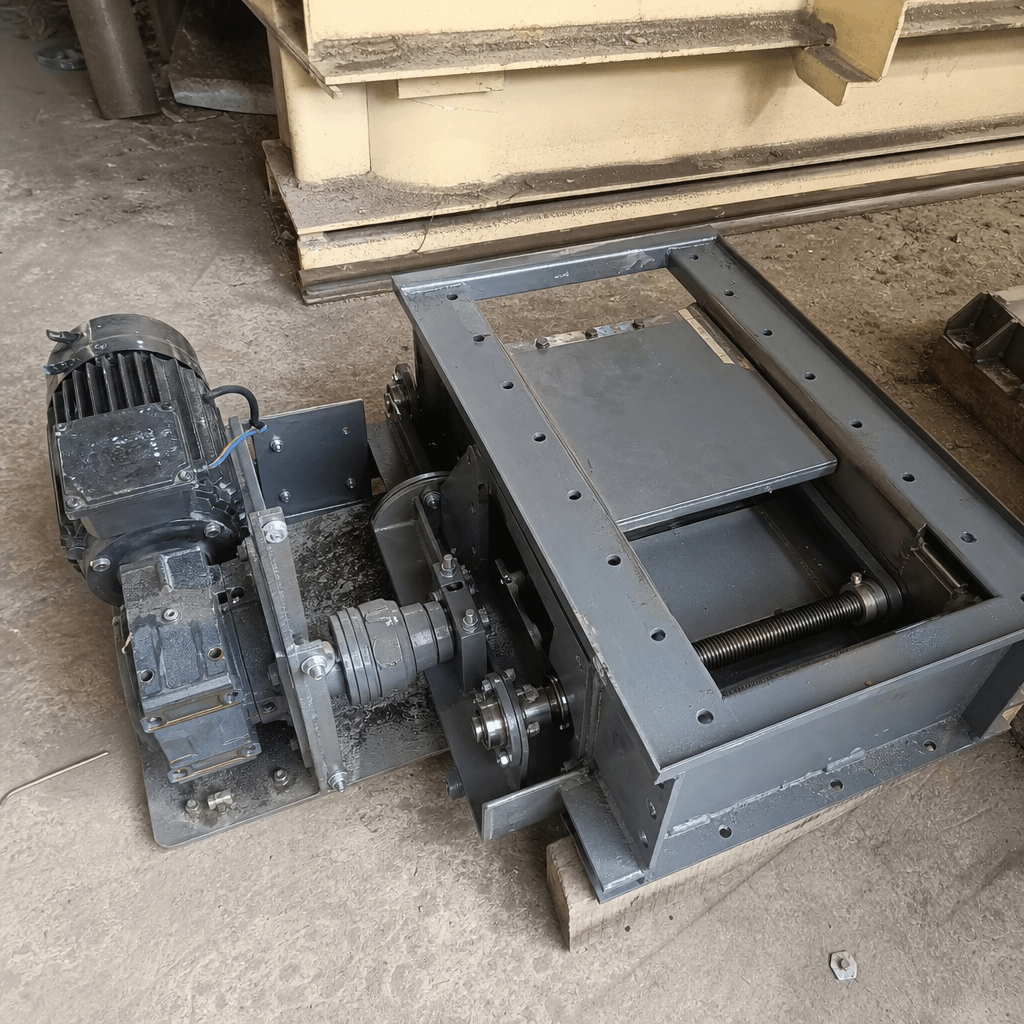
Asphalt Batch Mix Plant spare parts
Genuine, precisely-toleranced components for the Asphalt Batch Mix Plant. Every part below has its own page with details and a direct enquiry — or message us the part you need.
Feed System
3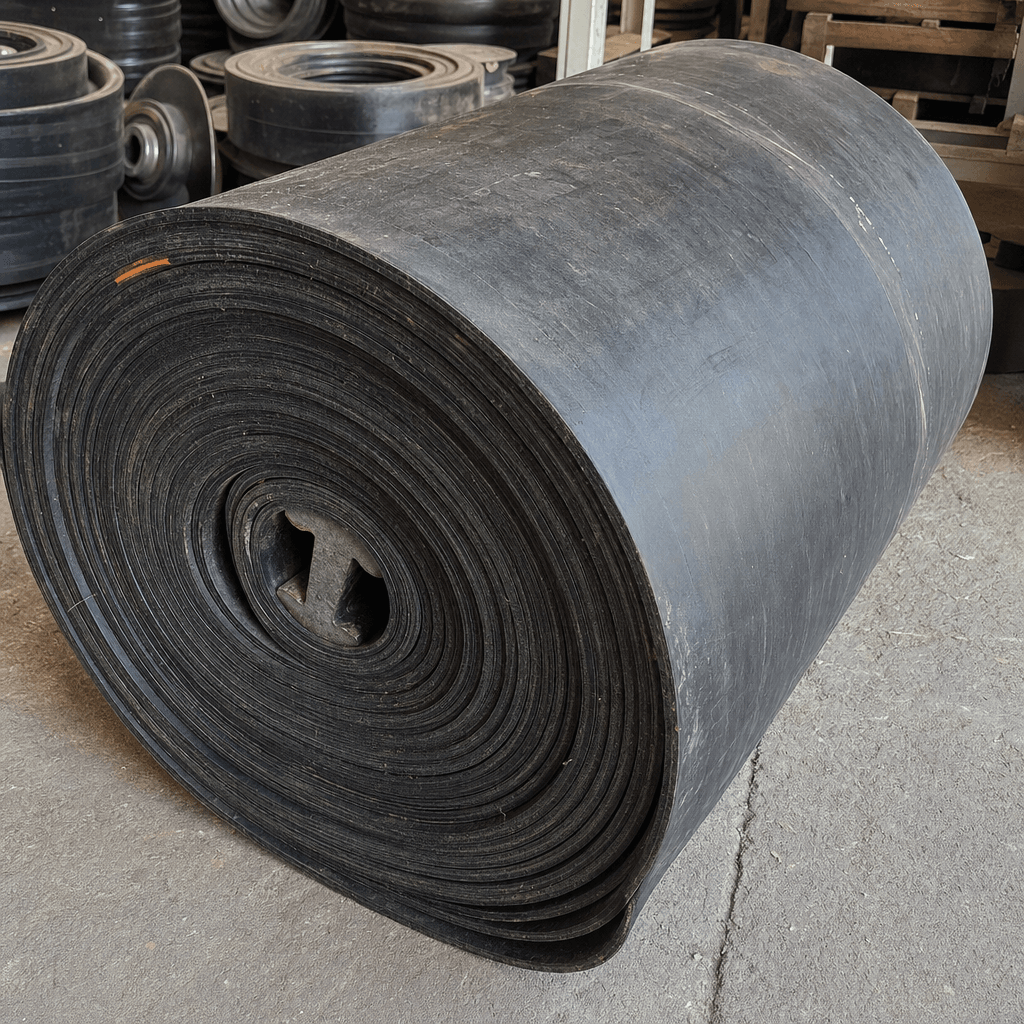
Drying Drum
4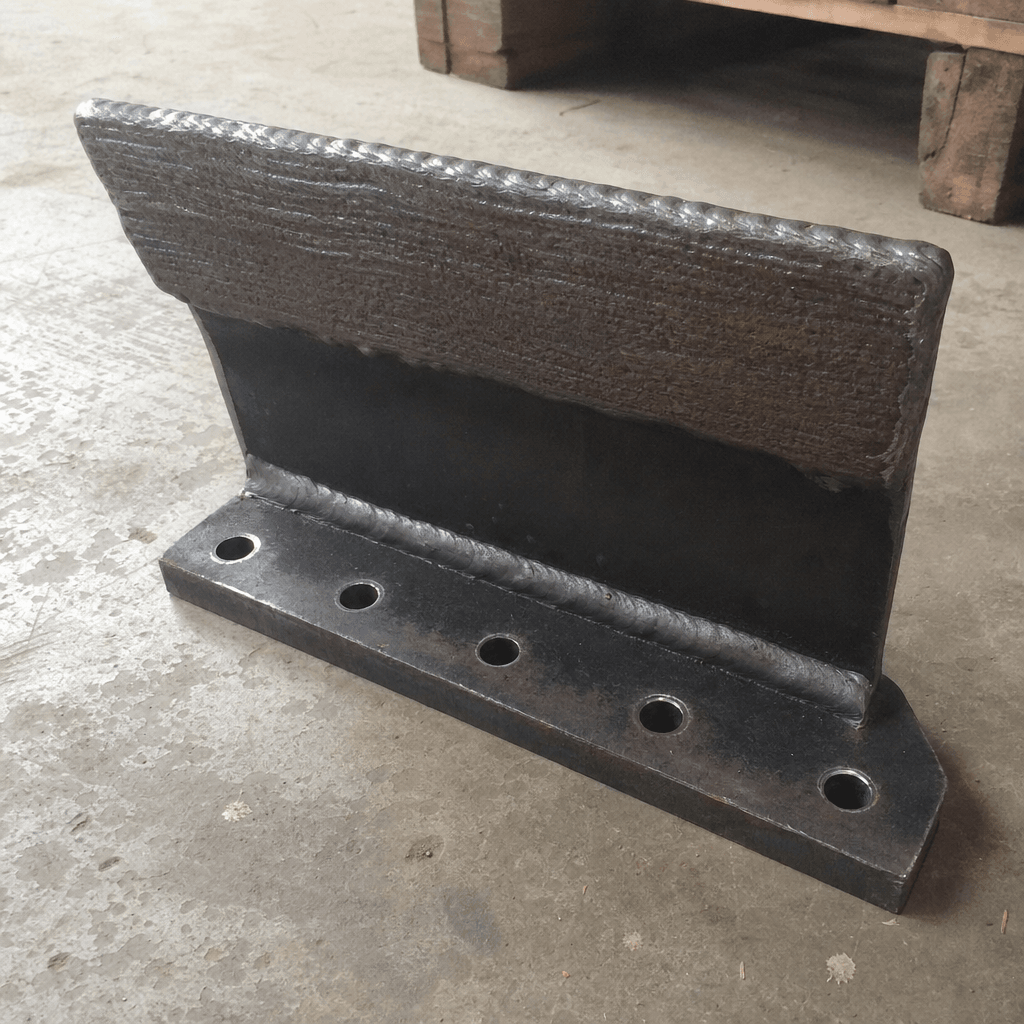
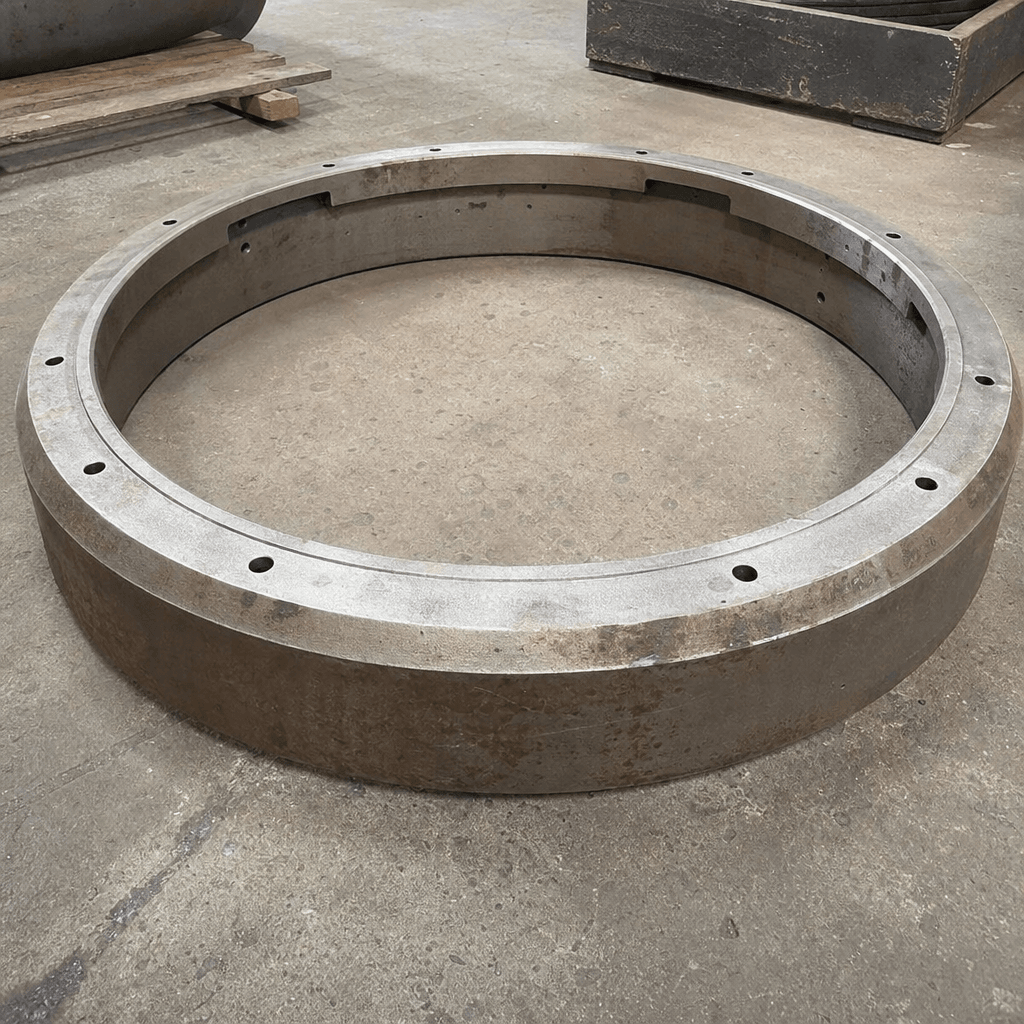
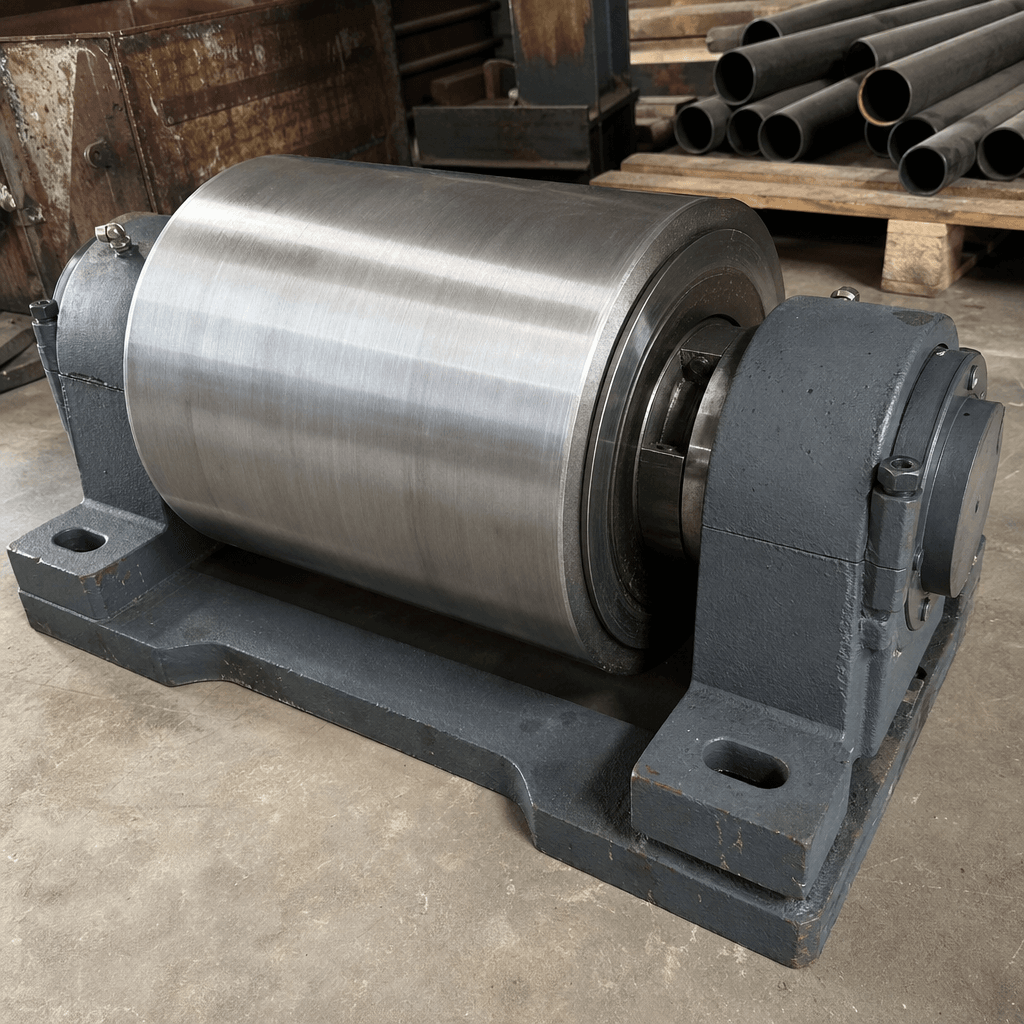
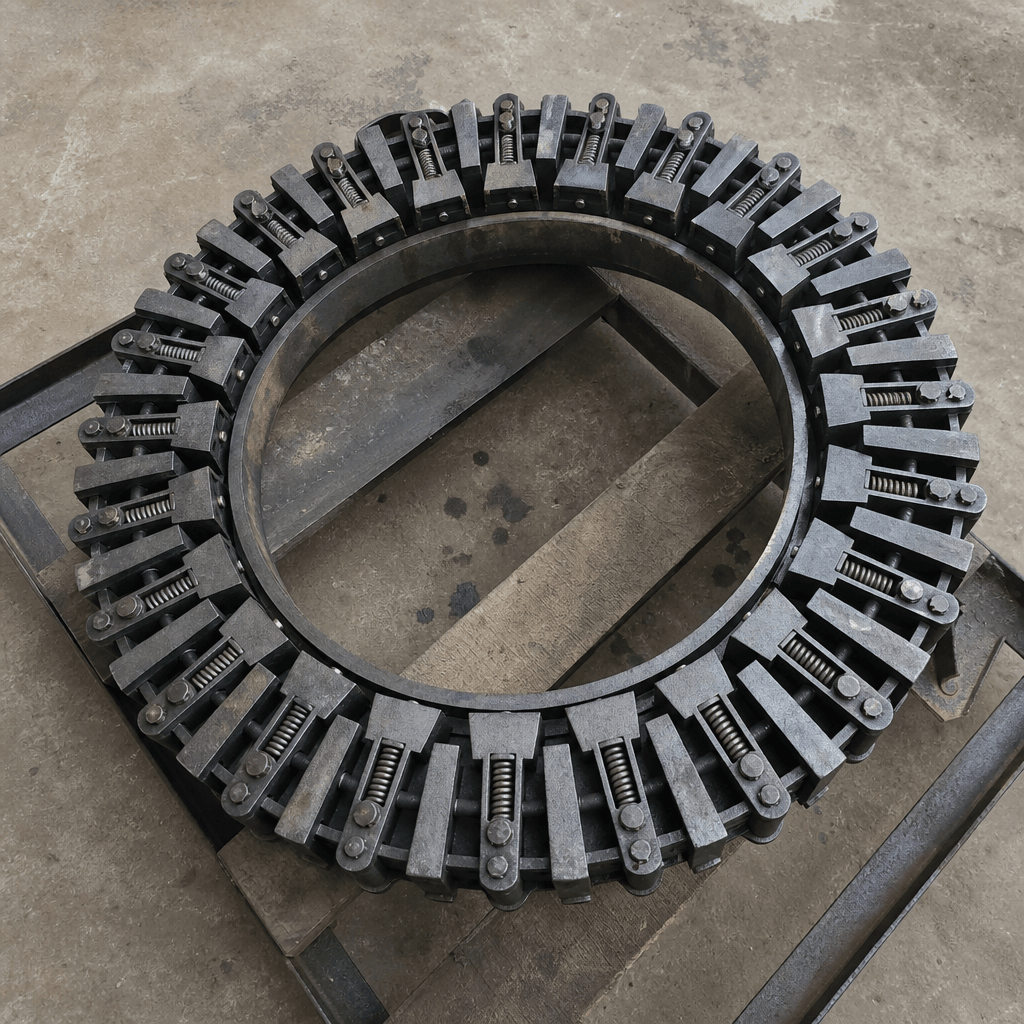
Elevator
2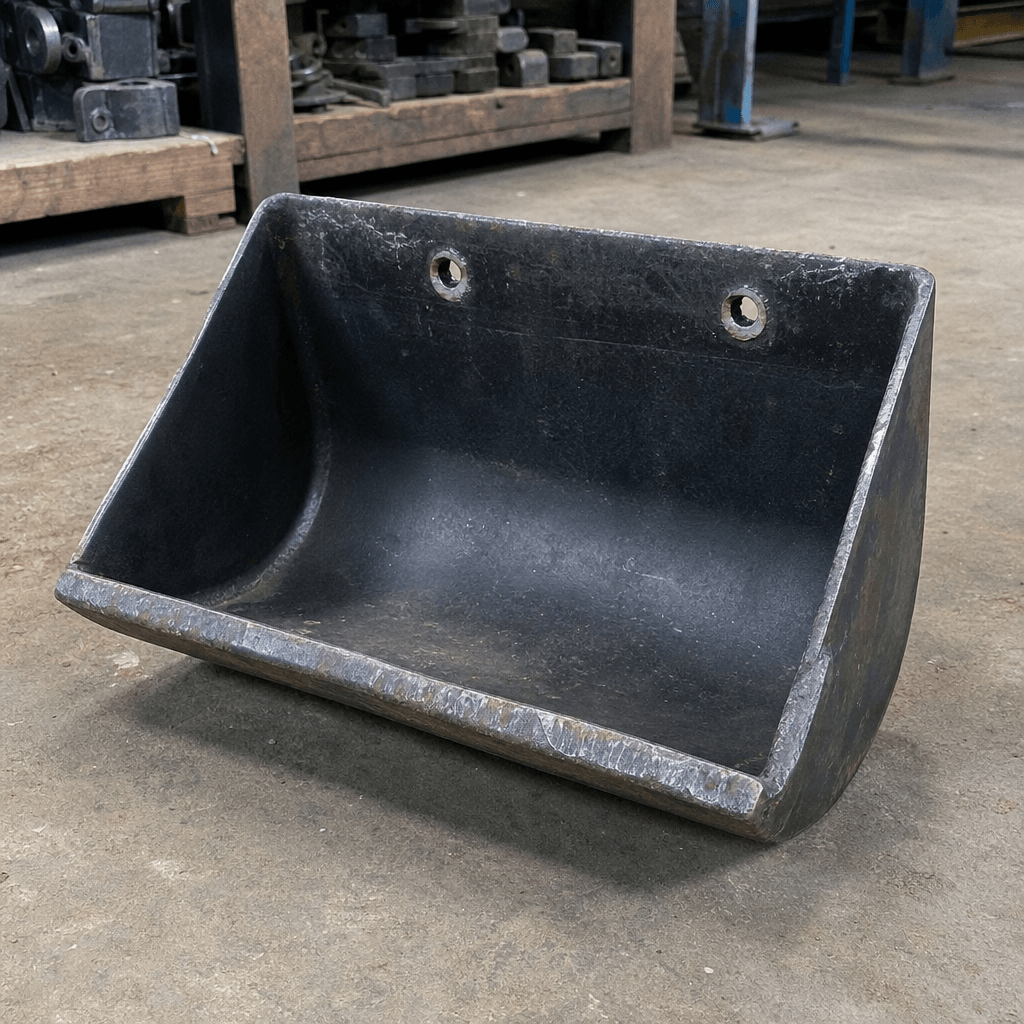
Screening & Storage
2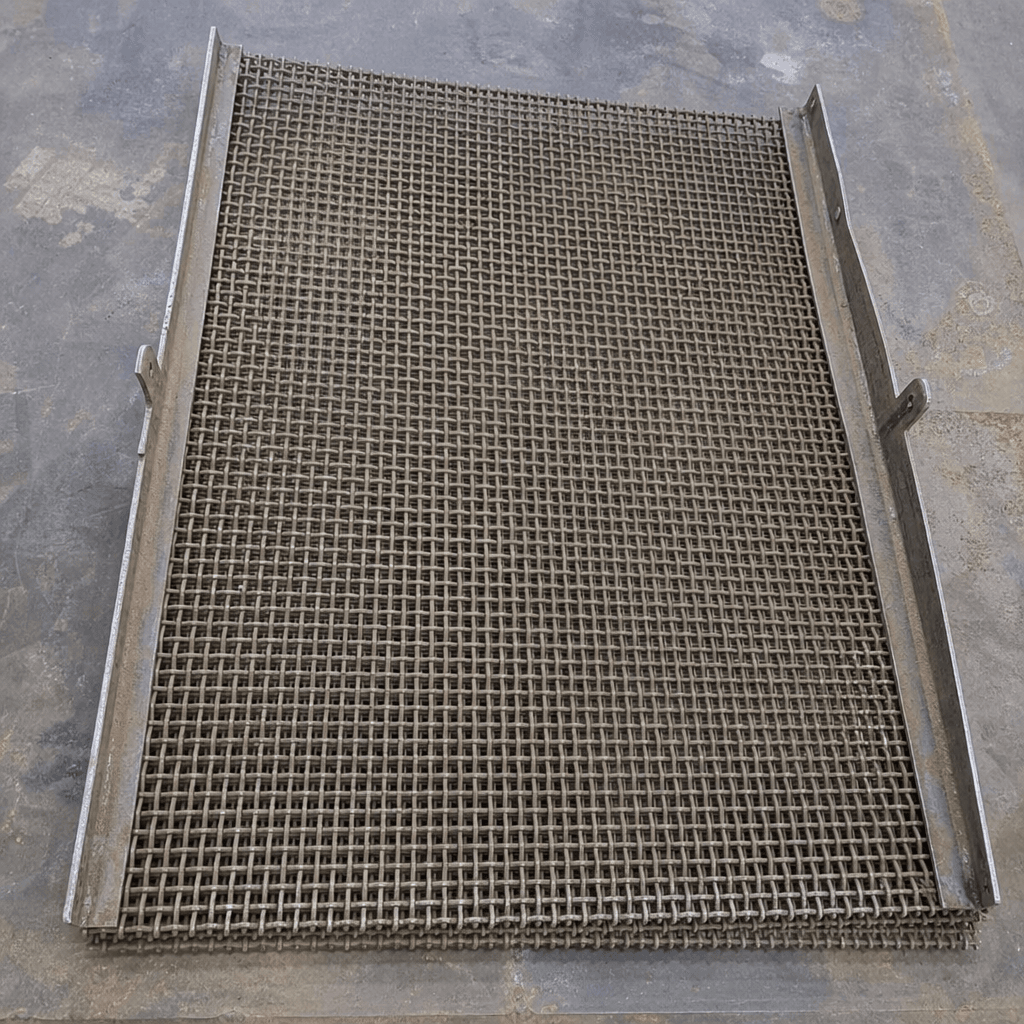
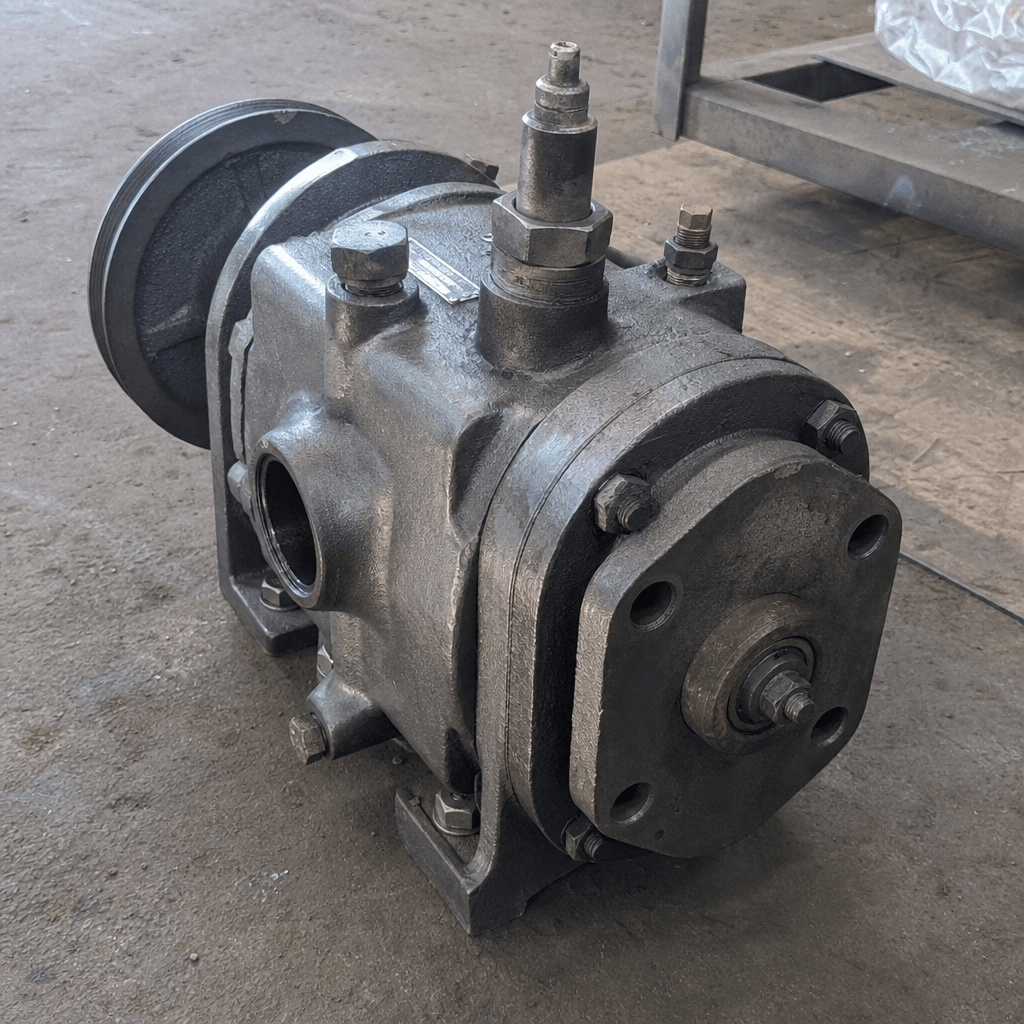
Mixing Unit
4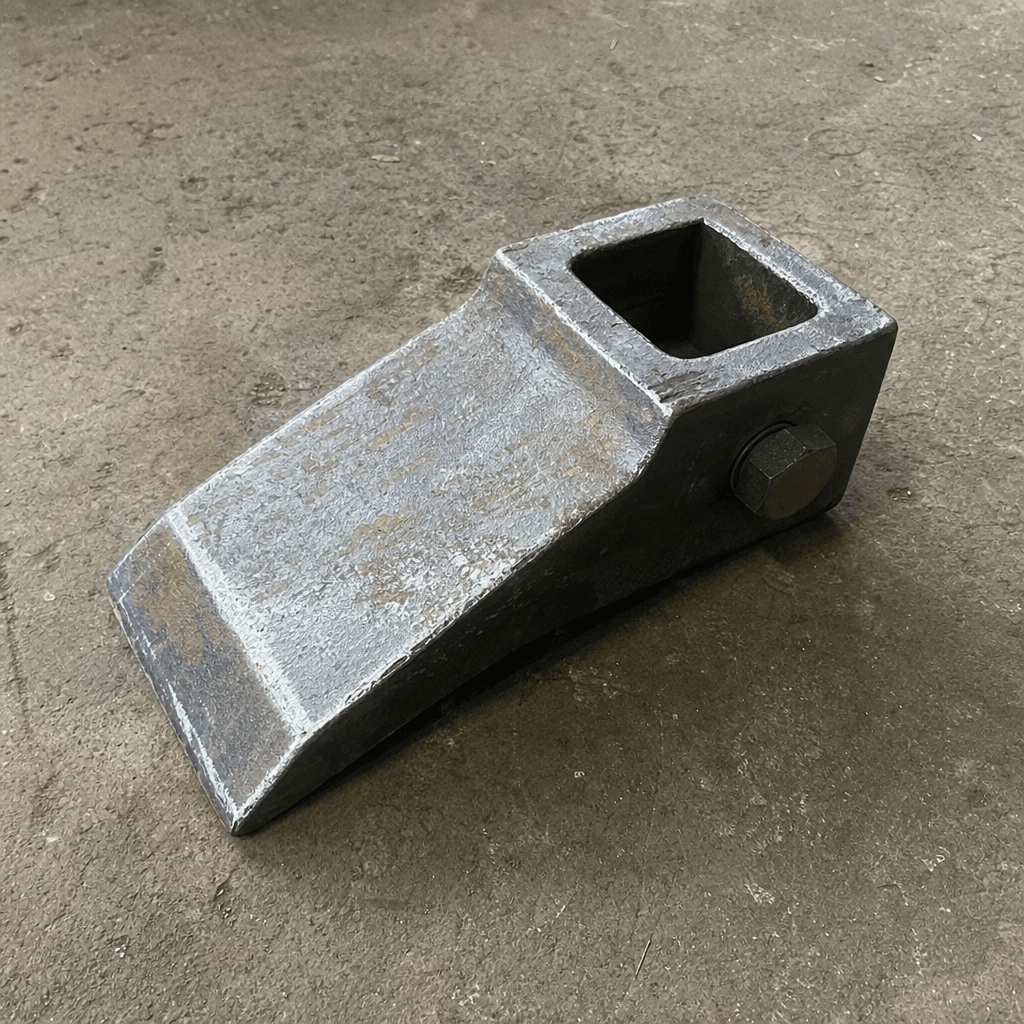
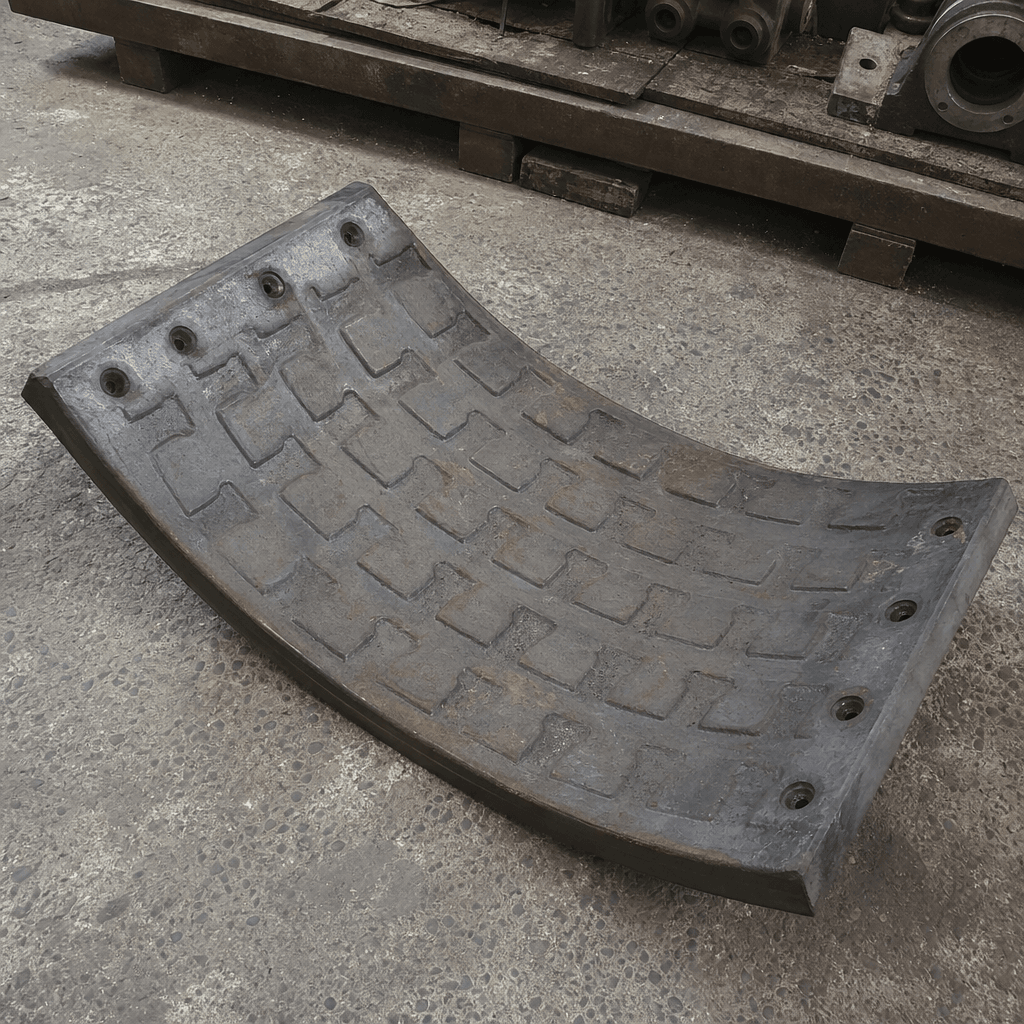
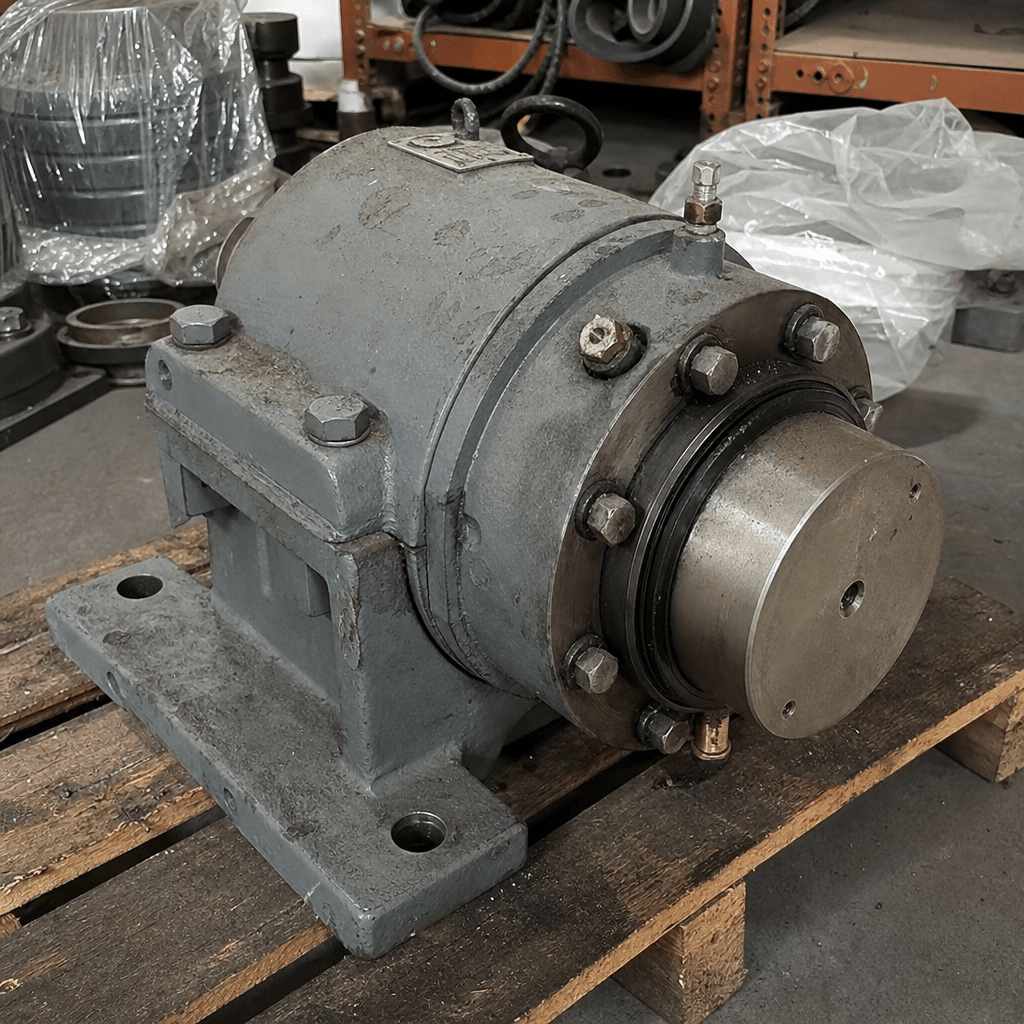
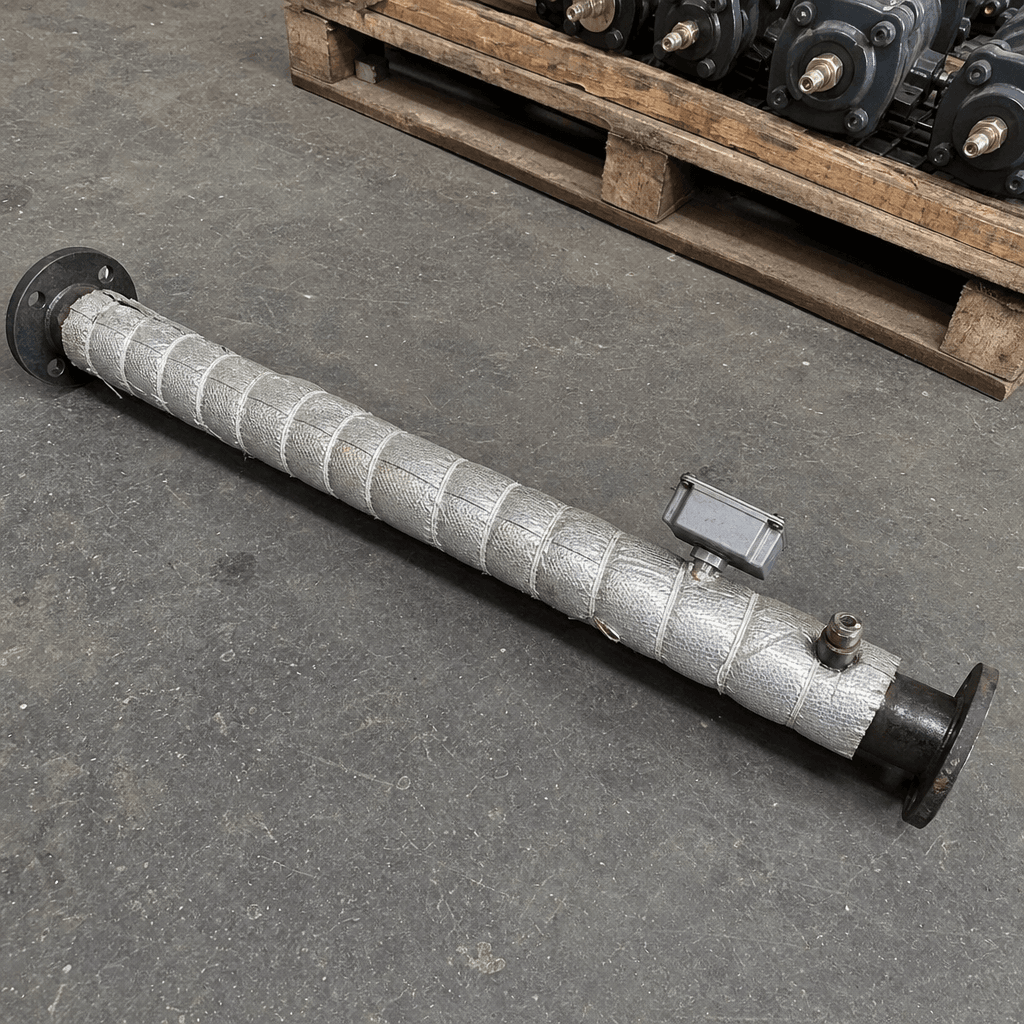
Burner & Heating
2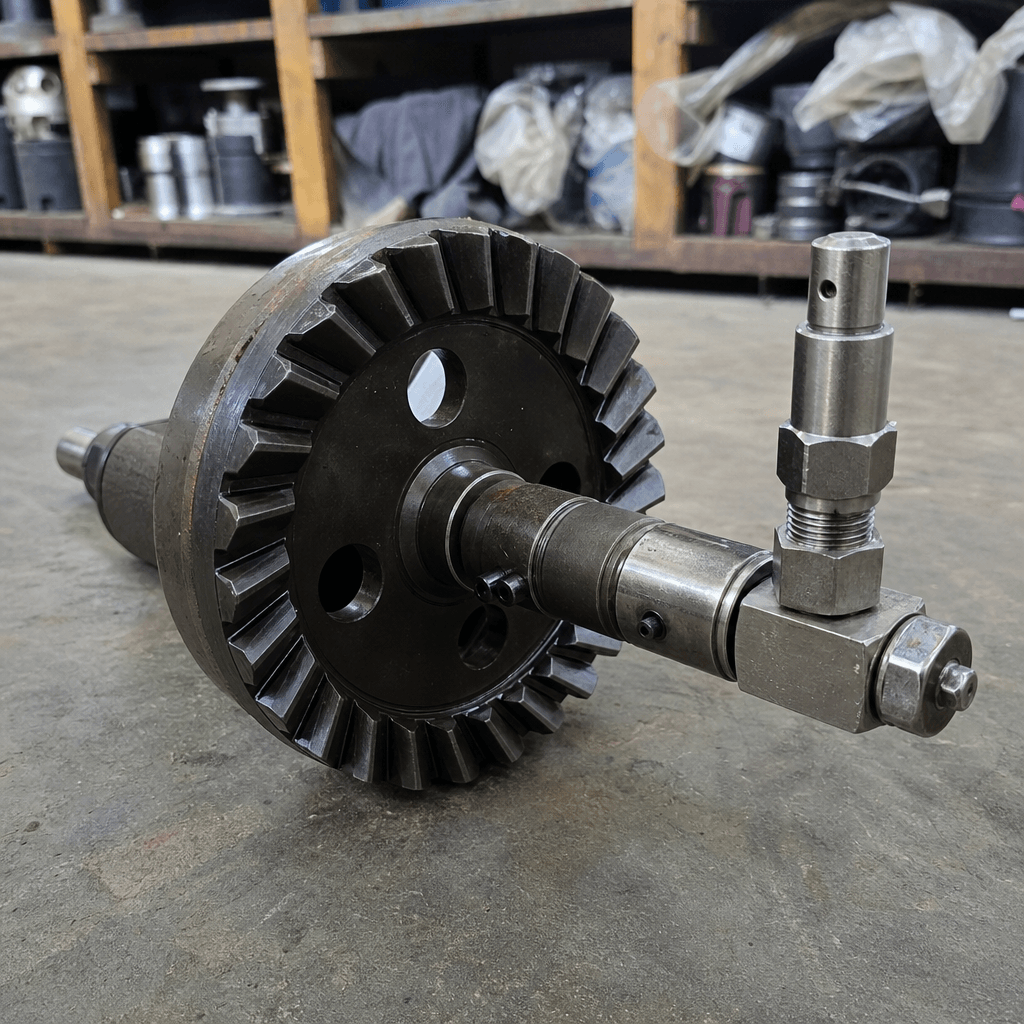
Ready to specify your Asphalt Batch Mix Plant?
Message us your target capacity and site details on WhatsApp, call +91 95747 68401, or request a detailed proposal.