
 1 / 3
1 / 3Avelta genuine part · AVL-ABP
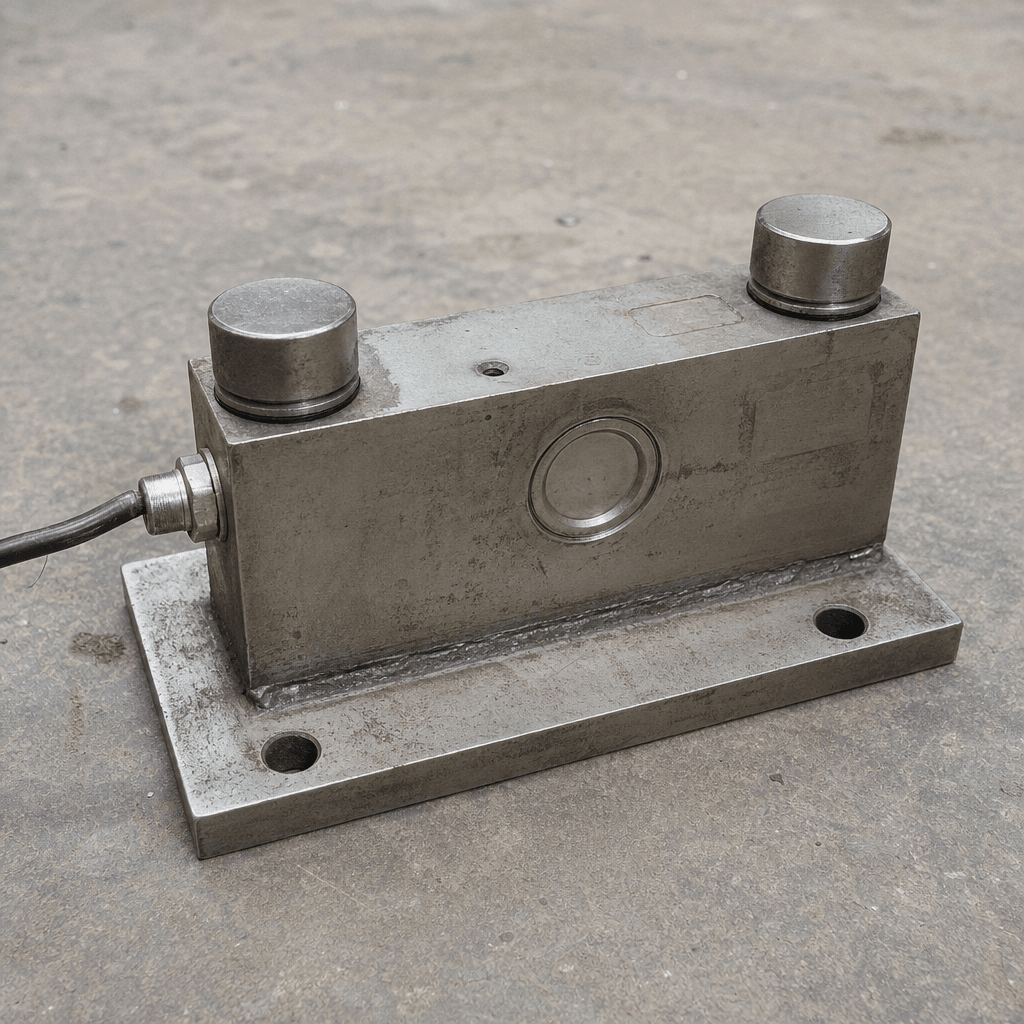
Weighing Load Cell
High-accuracy shear-beam load cell for aggregate, bitumen and filler weighing hoppers in asphalt batch mix plants.
Enquire about this part
Fast response · genuine fitment · worldwide dispatch
At a glance
| Rated Capacity | 500 kg / 1,000 kg / 2,000 kg / 3,000 kg (specified per hopper) |
|---|---|
| Accuracy Class | C3 (OIML R 60) |
| Nominal Sensitivity | 2.0 mV/V ± 0.1% |
| Excitation Voltage | 10–15 V DC |
| Combined Non-Linearity & Hysteresis | ≤ 0.02% F.S. |
| IP Rating | IP67 standard / IP68 optional |
| Cable Length | 6 m standard (custom lengths available) |
| Operating Temperature | −10 °C to +70 °C |
Overview
The Weighing Load Cell is a precision force-sensing transducer mounted beneath each weighing hopper in the asphalt batch mix plant's tower section. In a conventional multi-point suspension arrangement, a set of three or four load cells supports the aggregate weigh hopper, with dedicated cells under the bitumen weigh vessel and the filler weigh hopper or screw-conveyor outlet. The electrical signals from the cell set are summed in the junction box and fed to the plant's PLC-based weigh controller, which calculates live hopper mass and controls aggregate gates, bitumen pump speed and filler discharge to hit recipe setpoints batch by batch.
Because all ingredient quantities are determined by the load cells — not by volumetric approximation — cell accuracy, repeatability and long-term zero stability define the binder content, aggregate gradation and filler proportion in every batch produced. A single drifting cell introduces systematic recipe error that propagates undetected through the produced mix and into the laid road surface.
Function
Each load cell uses the shear-beam principle: a precision-machined alloy-steel beam contains a through-hole that concentrates shear strain within a defined gauge zone. Four resistive strain gauges are bonded in a full Wheatstone-bridge configuration in that zone; applied load deforms the beam, unbalancing the bridge and generating a millivolt output proportional to the applied force. The bridge output — typically 2–3 mV/V — is ratiometric to the excitation voltage, making the reading independent of minor supply fluctuations. In the plant tower environment, IP-rated sealing and transient-voltage surge protection are critical, as the weighing deck is exposed to mixer vibration, dust ingress, water from aggregate washdown and occasional pressure-washing. On plants with long cable runs from tower to control cabin, digital cells with on-board analogue-to-digital conversion and RS-485 output eliminate ground-loop and cable-resistance errors that degrade system accuracy.
Construction & quality
Load cell bodies are precision-machined from EN24T (AISI 4340 equivalent) alloy steel, heat-treated to 900–1,000 MPa tensile strength, then surface-ground on all mounting faces to ±0.02 mm flatness. The strain-gauge pocket is machined to a controlled depth; each full-bridge strain-gauge set is bonded with two-part epoxy adhesive and the bridge is temperature-compensated over a −10 °C to +70 °C operating range. After bonding, each cell is laser-trimmed for zero balance and span, then subjected to a full creep and hysteresis measurement cycle. The complete assembly is hermetically sealed: the cable exit is overmoulded in polyurethane and the body sealed to IP67 as standard. Cells for the heated bitumen vessel are supplied with a stainless-steel check rod to accommodate the vessel's thermal expansion whilst remaining within the cell's side-load tolerance. Mounting hardware — stainless-steel load-button pins, rocker pins and limit-stop plates — is supplied as a matched kit. Cell bodies are zinc-plated or nickel-plated for plant-environment corrosion resistance.
When to replace
- Persistent tare drift — the displayed empty-hopper weight creeps across shifts despite repeated manual re-zeroing
- Batch-to-batch ingredient-weight scatter exceeding ±0.5% of setpoint on a stable aggregate feed and unchanged recipe
- Weigh controller reporting a single-channel signal fault or an abnormal imbalance between cells in the summing junction box
- Visible corrosion pitting, cable damage or physical deformation of the cell body discovered during scheduled inspection
- Hopper physically contacting support steelwork and overloading one cell — identified by one channel reading disproportionately high relative to the others during an empty-hopper check
Compatibility & fitment
Avelta load cells are supplied for AVL-ABP aggregate, bitumen and filler hoppers across 40–320 TPH plant capacities; Avelta matches rated capacity, mounting-hole pattern, cable length and connector type to the customer's hopper drawing and junction-box specification.
Why buy from Avelta
Every Avelta load cell ships with an individual calibration certificate traceable to national metrology standards, and replacement cells are pre-matched in sensitivity to within ±0.05 mV/V to permit drop-in substitution without a full-set recalibration. Global dispatch from stock keeps batch-halt time to a minimum.
Need this part shipped?
Tell us your plant model and destination — we'll confirm fitment, price and lead time.
WhatsApp AVL-ABP-19More Asphalt Batch Mix Plant parts
View all →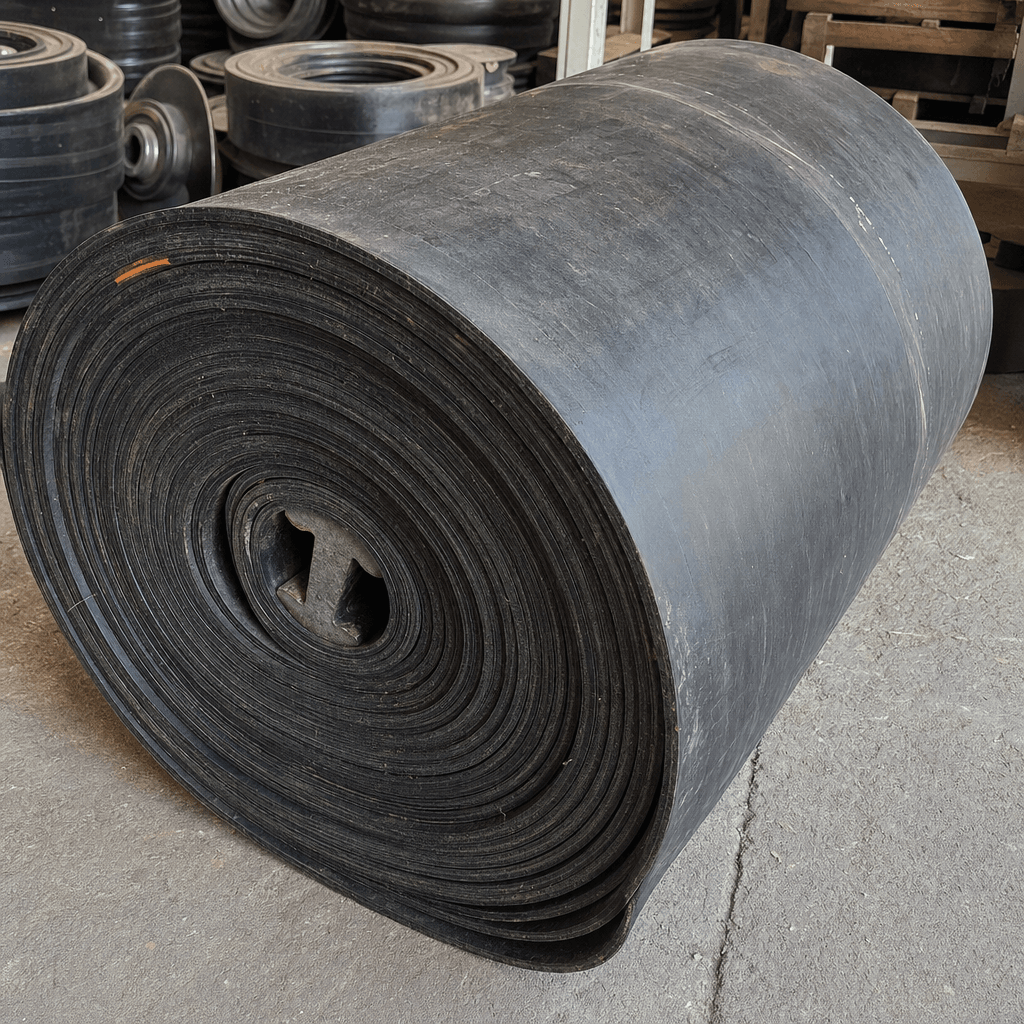 Feed System
Cold Feed Conveyor Belt
Heat-resistant EP-fabric rubber conveyor belt rated for continuous cold-aggregate feed duty in batch plant cold-feed systems.
Details & enquiry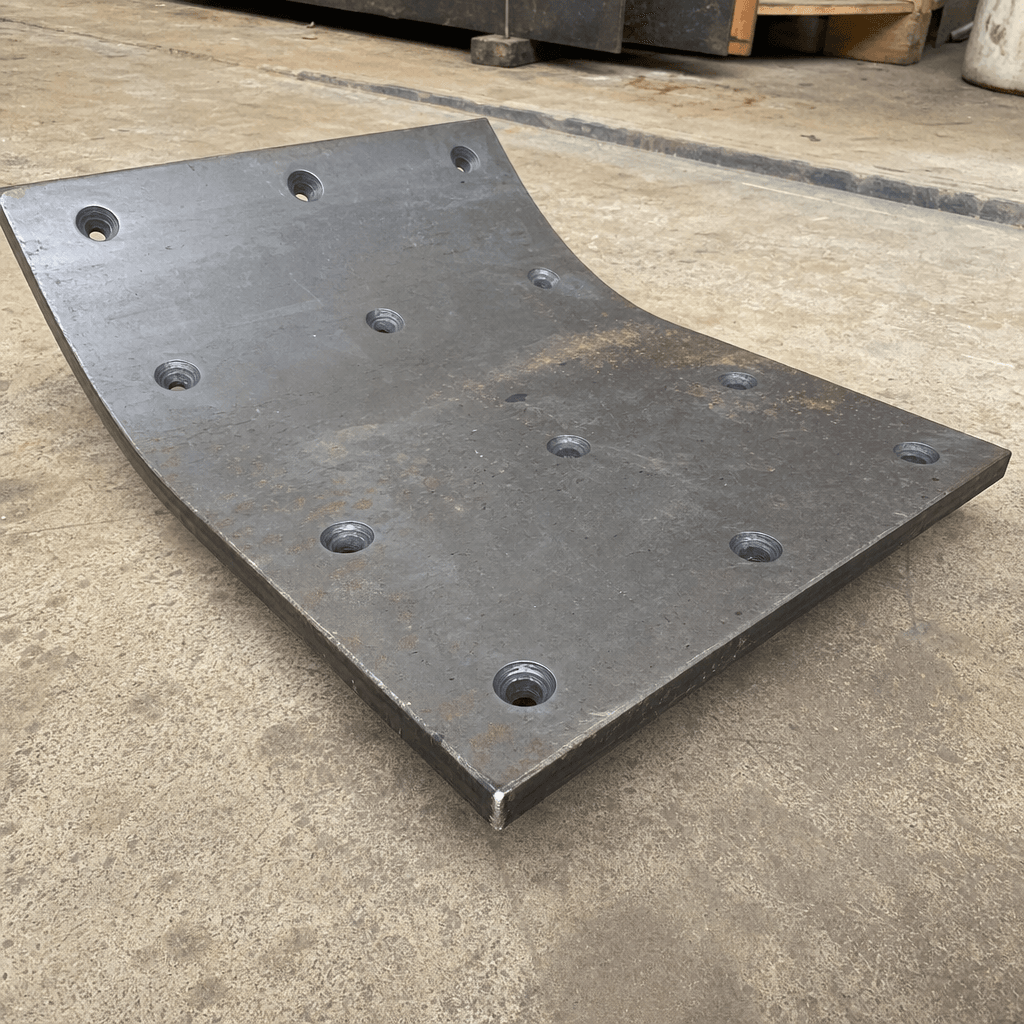 Feed System
Cold Bin Liner Plate
Abrasion-resistant AR-grade steel liner plates protecting cold feed bin floors, walls, and hopper angles from aggregate impact and sliding wear.
Details & enquiry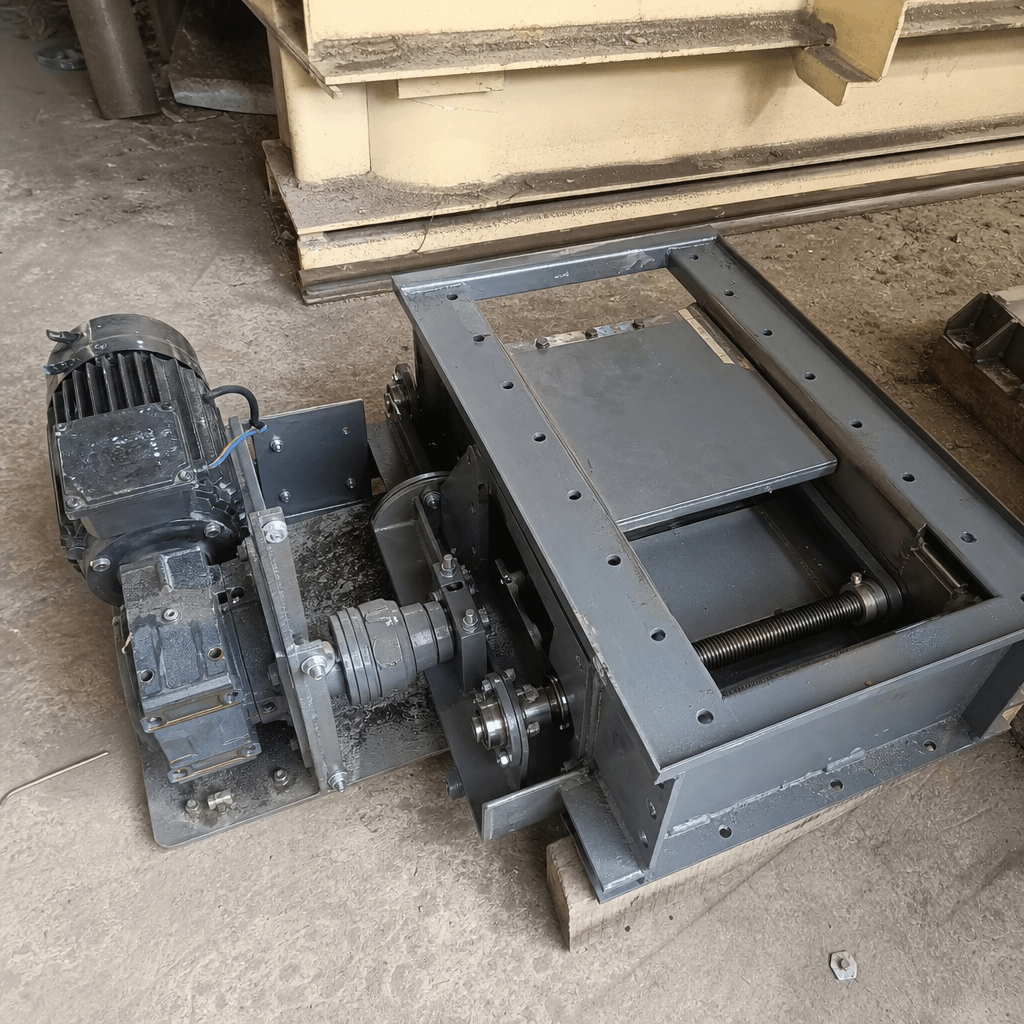 Feed System
Cold Bin Gate and Actuator
Variable-aperture metering gate and electric or pneumatic actuator controlling aggregate flow rate from each cold feed bin compartment.
Details & enquiry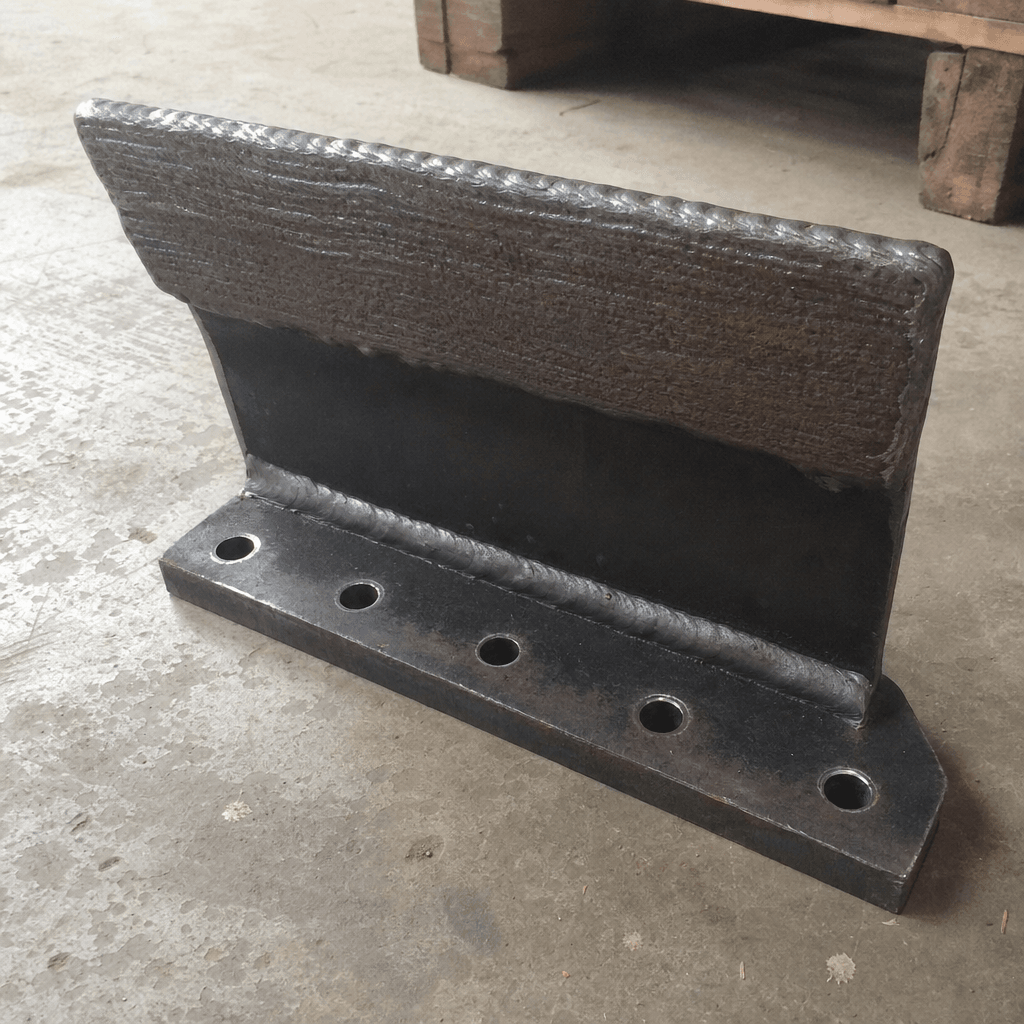 Drying Drum
Drying Drum Lifting Flight
Zone-matched internal steel lifting flights that cascade aggregate through the burner gas stream for efficient drying and heat transfer.
Details & enquiry