
 1 / 3
1 / 3Avelta genuine part · AVL-ABP
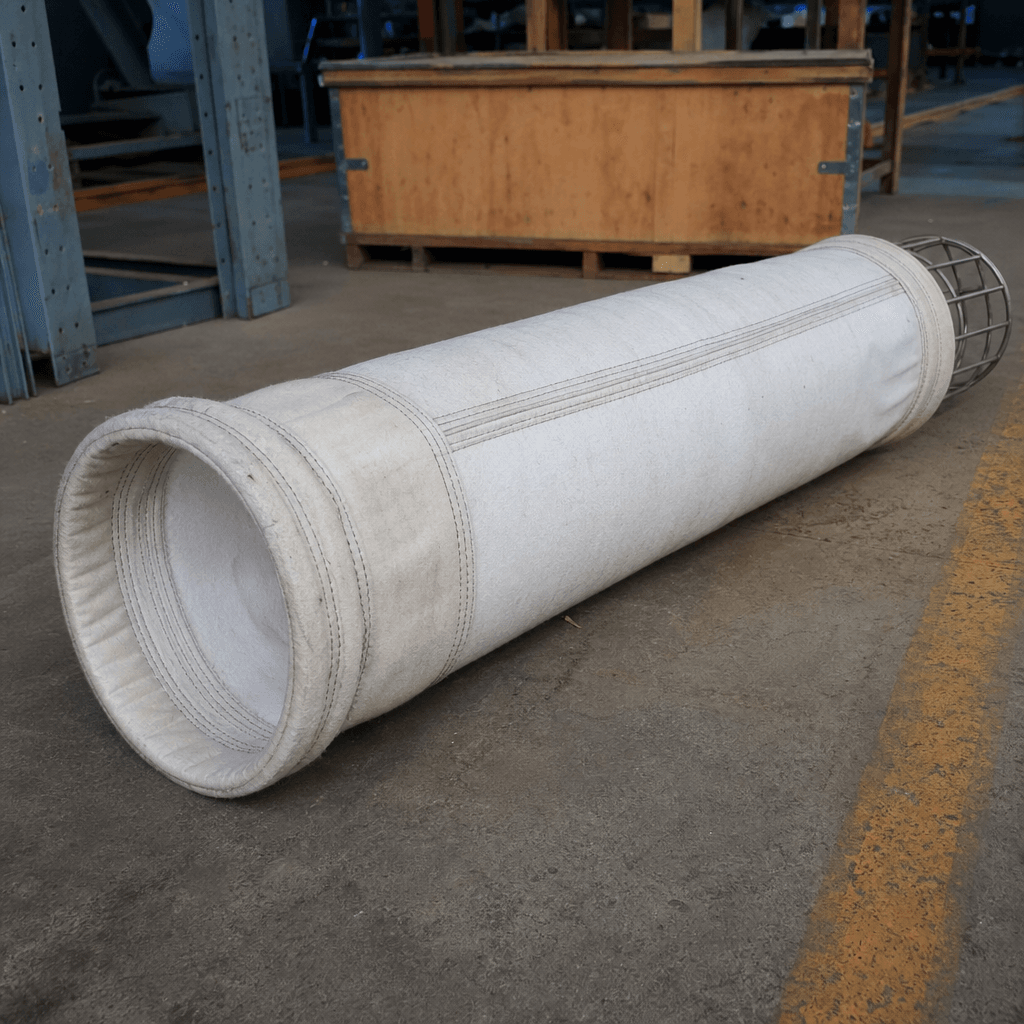
Dust Collector Filter Bag
High-efficiency pulse-jet filter bags that keep dryer exhaust emissions compliant and filler-dust recovery at maximum.
Enquire about this part
Fast response · genuine fitment · worldwide dispatch
At a glance
| Diameter | 150 mm (6″) standard; 130 mm available |
|---|---|
| Length | 2,000–3,000 mm (matched to customer baghouse) |
| Filtration Area per Bag | ~0.94–1.41 m² (150 mm dia. × 2,000–3,000 mm) |
| Media Weight | 500–550 g/m² |
| Continuous Operating Temperature | ≤ 130 °C polyester / ≤ 180 °C meta-aramid |
| Peak Temperature (≤ 15 min) | 150 °C polyester / 200 °C meta-aramid |
| Recommended Air-to-Cloth Ratio | 1.0–1.5 m/min |
| Finish | Plain needled felt or ePTFE-membrane laminate (as specified) |
Overview
The Dust Collector Filter Bag is the primary filtration medium inside the baghouse (pulse-jet fabric filter) connected to the asphalt batch mix plant's dryer drum. Exhaust gases — laden with fine mineral dust, limestone filler particles and traces of condensed bitumen vapour — are drawn from the drum through the baghouse inlet plenum and forced through the outer fabric wall of each hanging bag. Filtered air exits through the open top into the clean-air chamber and on to the induced-draught fan and stack, while the retained dust cake accumulates on the bag exterior.
Each bag is suspended from a venturi-fitted cage and cleaned on a timed or pressure-drop trigger: a burst of compressed air fired down the bag interior momentarily reverses the flow through the fabric, detaching the dust cake so it falls to the hopper below for recovery. In a typical 80–160 TPH plant the baghouse holds 60–200 bags in parallel sharing the filtration duty. The bags are therefore consumable service items; their condition directly governs emission compliance, recovered filler quality and induced-draught fan energy consumption.
Function
As warm, dust-laden gas passes through the woven or needle-felt fabric, particles above the media's pore rating are arrested on the surface to form a secondary filtration layer — the dust cake — which progressively tightens the effective filtration cutpoint toward sub-micron levels. The fabric's air-to-cloth ratio, typically 1.0–1.5 m/min in asphalt baghouses, determines both steady-state pressure drop and required pulse-cleaning frequency. A well-maintained bag set delivers outlet particulate concentrations well within common regulatory thresholds. Because recovered filler is returned to the mixer via the filler elevator and weighed into each batch, bag efficiency also has a direct economic impact on raw-material consumption and recipe accuracy: a compromised bag set simultaneously raises stack emissions and reduces available filler, skewing the mix formula.
Construction & quality
Filter bags for asphalt batch-mix service are fabricated from 550 g/m² needle-punched polyester felt for standard-temperature duty (continuous ≤ 130 °C / 266 °F), or from 500 g/m² woven meta-aramid felt where exhaust temperatures may reach 160–180 °C. Bags destined for plants with elevated bitumen-vapour content are laminated on the clean-gas side with an expanded PTFE membrane — pore size typically 0.3–1.0 µm — which concentrates filtration at the membrane surface rather than within the felt depth, enabling more complete pulse cleaning and lower residual pressure drop over service life. All seams are sewn with high-temperature PTFE thread to the same thermal rating as the base fabric. The top snap-ring collar is formed from galvanised mild-steel wire swaged into a reinforced fabric sleeve for a positive cage-to-tube-sheet seal. The bottom cap is closed with a welded, folded seam. Felt fibres are heat-set and calendered after needling to stabilise pore geometry and reduce initial filtration bleed-through during the bag conditioning period.
When to replace
- Visible stack opacity or online opacity monitor readings above the site permit threshold, indicating fabric hole formation or collar seal failure
- Sustained rise in baghouse differential pressure that does not recover after pulse-cleaning cycles, indicating glazed or tar-blinded fabric
- Fine grey mineral dust accumulating on the clean-air side of the tube sheet, confirming a bag or collar seal breach
- Recovered filler hopper weight falling noticeably below historical norms on the same aggregate feed, suggesting internal bypass
- Physical inspection revealing brittle, discoloured, torn fabric, or deformed top-collar wire on bags removed during routine access
Compatibility & fitment
Avelta supplies filter bags for the AVL-ABP series across 40–320 TPH plants; bags are cut to length and collar diameter matched to each customer's baghouse shell drawing, with plain felt or ePTFE membrane specified to the plant's exhaust-temperature and bitumen-vapour profile.
Why buy from Avelta
Avelta filter bags use fabric sourced from ISO-certified textile mills, with each production batch inspected for GSM, pore structure and seam integrity before dispatch. Replacement sets are supplied as matched lots to ensure uniform airflow resistance across the full tube sheet and consistent cleaning-cycle performance.
Need this part shipped?
Tell us your plant model and destination — we'll confirm fitment, price and lead time.
WhatsApp AVL-ABP-18More Asphalt Batch Mix Plant parts
View all →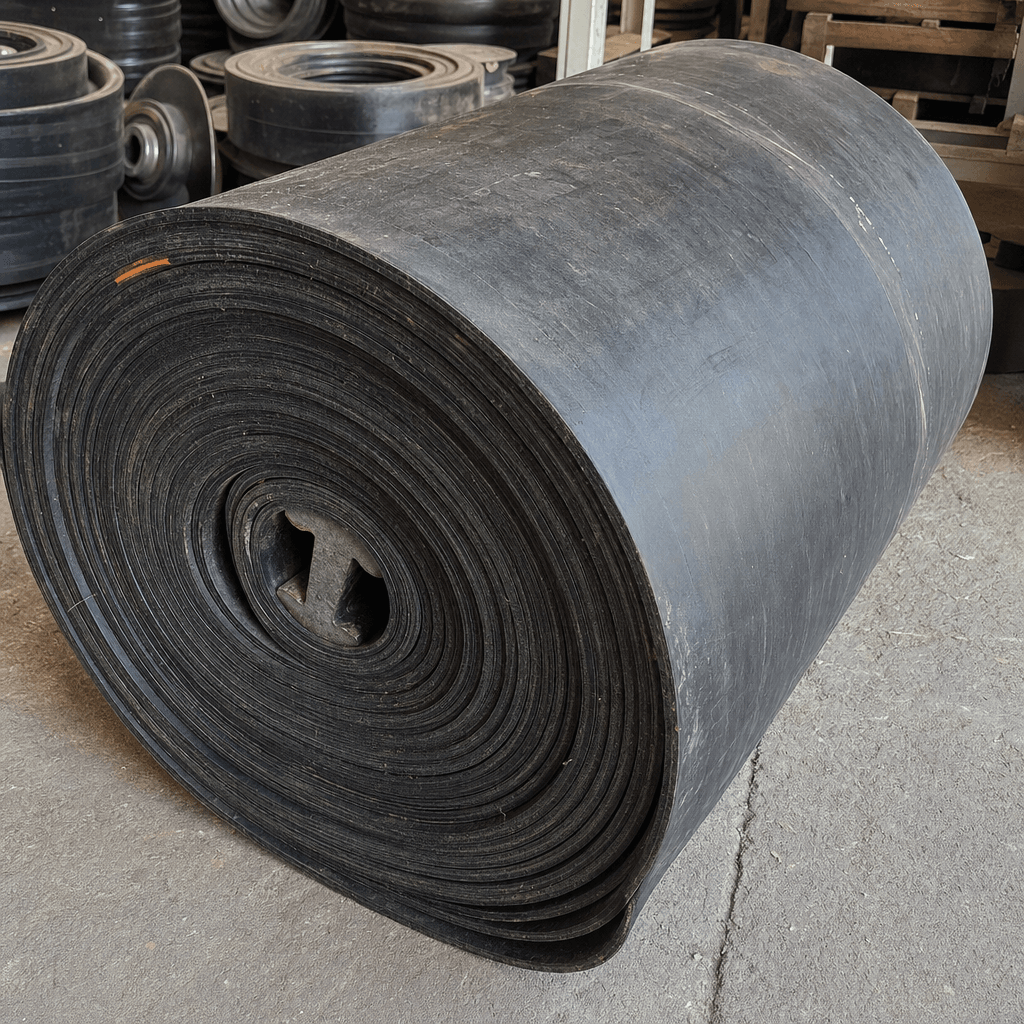 Feed System
Cold Feed Conveyor Belt
Heat-resistant EP-fabric rubber conveyor belt rated for continuous cold-aggregate feed duty in batch plant cold-feed systems.
Details & enquiry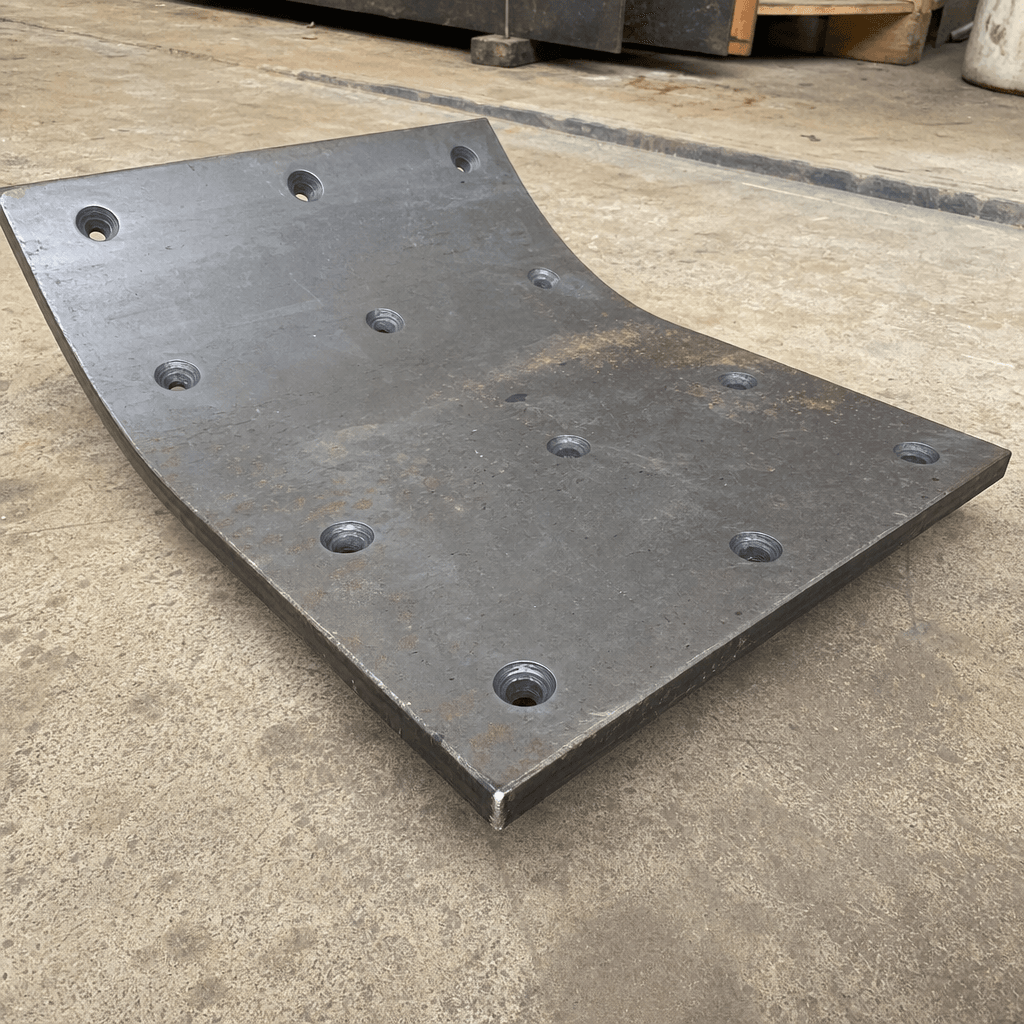 Feed System
Cold Bin Liner Plate
Abrasion-resistant AR-grade steel liner plates protecting cold feed bin floors, walls, and hopper angles from aggregate impact and sliding wear.
Details & enquiry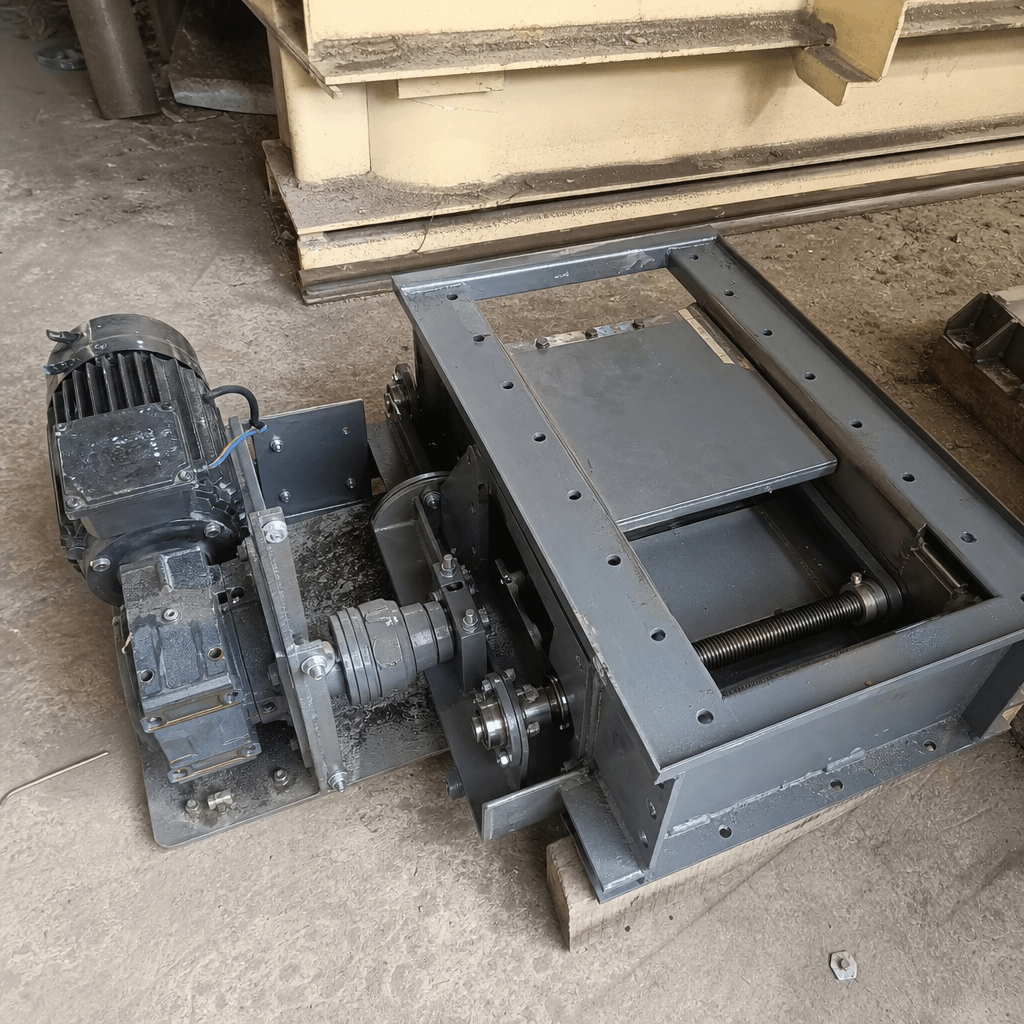 Feed System
Cold Bin Gate and Actuator
Variable-aperture metering gate and electric or pneumatic actuator controlling aggregate flow rate from each cold feed bin compartment.
Details & enquiry Drying Drum
Drying Drum Lifting Flight
Zone-matched internal steel lifting flights that cascade aggregate through the burner gas stream for efficient drying and heat transfer.
Details & enquiry