 1 / 3
1 / 3Avelta genuine part · AVL-DMP
Hopper & Chute
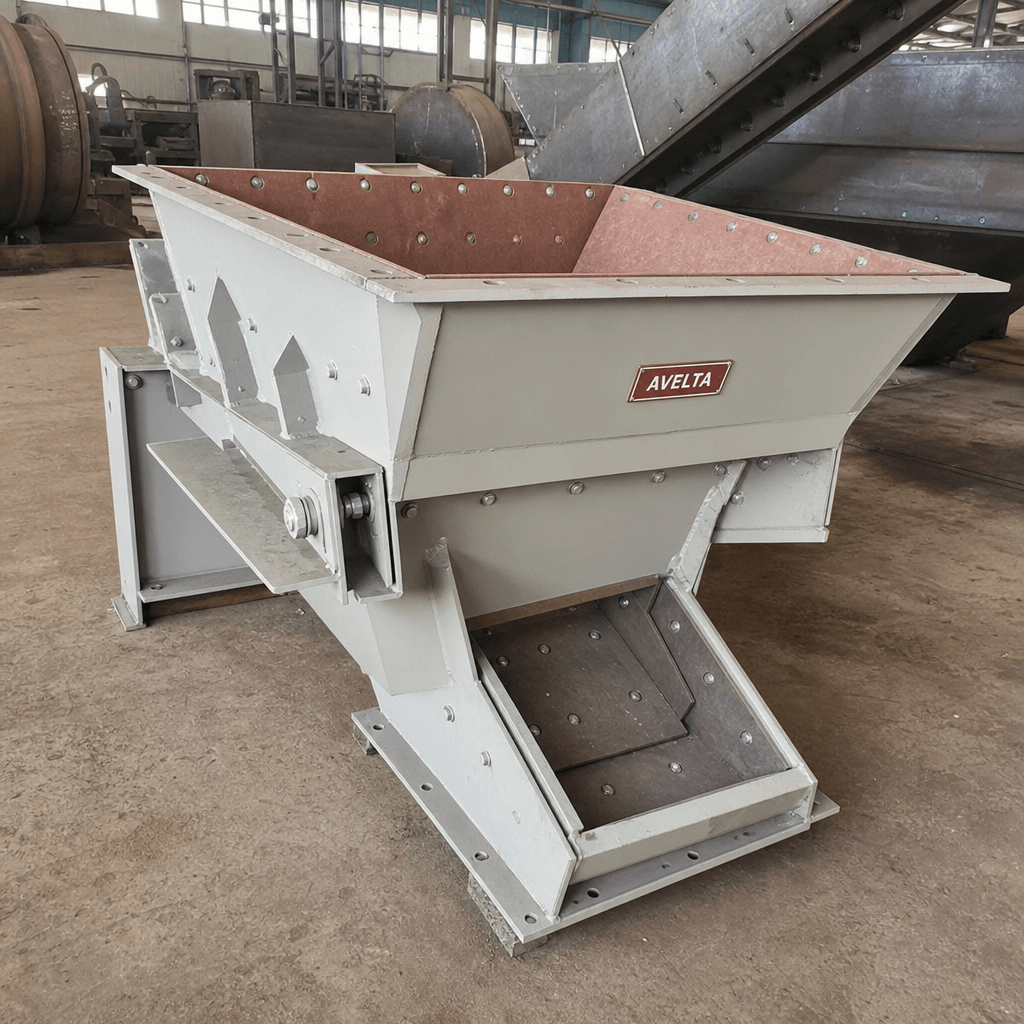
Abrasion-lined aggregate feed hoppers and transfer chutes directing each aggregate fraction from cold bins to the collecting conveyor.
Enquire about this part
Fast response · genuine fitment · worldwide dispatch
At a glance
| Outer Shell | 8–12 mm IS 2062 Gr B / ASTM A36 |
|---|---|
| Wear Liner – General | HARDOX 400 / 500, 12–20 mm, countersunk bolt-in |
| Impact Zone Liner | HARDOX 500 or Mn13 austenitic manganese steel, 20–25 mm |
| Converging Wall Angle | Minimum 55° from horizontal |
| Throat Dimension | Minimum 2.5 × maximum aggregate lump size |
| Liner Bolt Type | M20 countersunk (flush with flow surface) |
| Liner Hardness | 400–500 BHN (HARDOX); up to 550+ BHN work-hardened (Mn13) |
| Number of Hoppers | 4–6 units (matched to cold-bin configuration per plant model) |
Overview
The hopper and chute system encompasses the receiving and directing elements that control aggregate flow from the cold-feed bins, through the individual calibrated feeders, and onto the collecting conveyor or inclined dryer belt that delivers material to the drum inlet chute. Each aggregate fraction — coarse stone, medium gravel, coarse sand, fine sand — is discharged from its cold-feed bin through a hopper throat into a belt or variable-speed pan feeder, then via a transfer chute onto the collecting conveyor. The entire system operates under gravity and must maintain free, continuous, uninterrupted flow at all throughput rates commanded by the production control system.
Hoppers and chutes are among the highest-wear items in the aggregate handling circuit, handling cold, sharp, angular crushed rock at the highest concentrations — before the material is spread across the conveyor belt — and subject to direct impact from large-lump aggregate falling from front-end loader stockpile feeding. Wear liner selection and the ability to replace individual liner panels efficiently are the key serviceability parameters for this assembly.
Function
Uninterrupted aggregate flow through the hoppers and chutes is the rate-limiting factor for plant throughput: any bridging, blockage, or wear-induced hole immediately reduces or stops the aggregate supply to the drum, causing mix temperature excursions and forcing the burner to modulate down or cut out. Hopper geometry — the angle and taper of the converging walls — must exceed the angle of internal friction of the coarsest aggregate fraction to prevent arching, while chute slopes must exceed 55° from horizontal for crushed aggregate to flow freely without build-up. The ability to replace individual HARDOX liner panels at planned intervals — without dismantling the hopper structure — directly determines whether these wear parts are maintained proactively or reactively.
Construction & quality
Outer hopper and chute shells: 8–12 mm mild steel (IS 2062 Gr B / ASTM A36) structural plate, fully welded. All internal aggregate-contact surfaces are lined with replaceable wear plate in HARDOX 400 or HARDOX 500, 12–20 mm thick, fixed with countersunk M20 bolts so no bolt head protrudes into the flow path. Converging wall angles are designed to a minimum of 55° from horizontal for standard crushed limestone or granite gradings. Impact zones — the area directly below the bin discharge gate where aggregate free-falls from the bin floor — receive additional HARDOX 500 or Mn13 austenitic manganese steel impact liner, 20–25 mm thick, which work-hardens progressively in service. Hopper throat dimensions are set to a minimum clear dimension of 2.5 × the maximum aggregate lump size. Hinged inspection doors with dust-seal gaskets are provided at each hopper body and transfer chute access point.
When to replace
- Through-wear holes in liner panels indicated by aggregate escaping to the exterior or liner panels rattling inside the hopper
- Bridging or arching in the hopper throat requiring manual clearing, potentially indicating liner rounding that reduces effective throat angle
- Impact dents on the outer shell wall visible from outside in the zone directly below the bin discharge gate
- Feeder belt carrying aggregate unevenly distributed across the belt width, indicating chute wear redirecting the flow stream
- Loose or sheared countersunk liner bolts causing liner panels to shift and create a flow ledge inside the hopper
Compatibility & fitment
Hopper and chute assemblies are sized to the cold-bin gate dimensions, feeder belt widths, and collecting conveyor layout of all AVL-DMP models from 60 to 320 TPH; Avelta supplies complete assemblies or individual HARDOX and Mn13 liner panels matched to each hopper position for maintenance replacement.
Why buy from Avelta
Avelta hoppers are manufactured with countersunk, individually replaceable HARDOX liner panels — including heavier Mn13 impact zones directly below bin gates — so field maintenance teams can swap the highest-wear sections at planned intervals without lifting or dismantling the hopper structure.
Need this part shipped?
Tell us your plant model and destination — we'll confirm fitment, price and lead time.
WhatsApp AVL-DMP-16More Asphalt Drum Mix Plant parts
View all →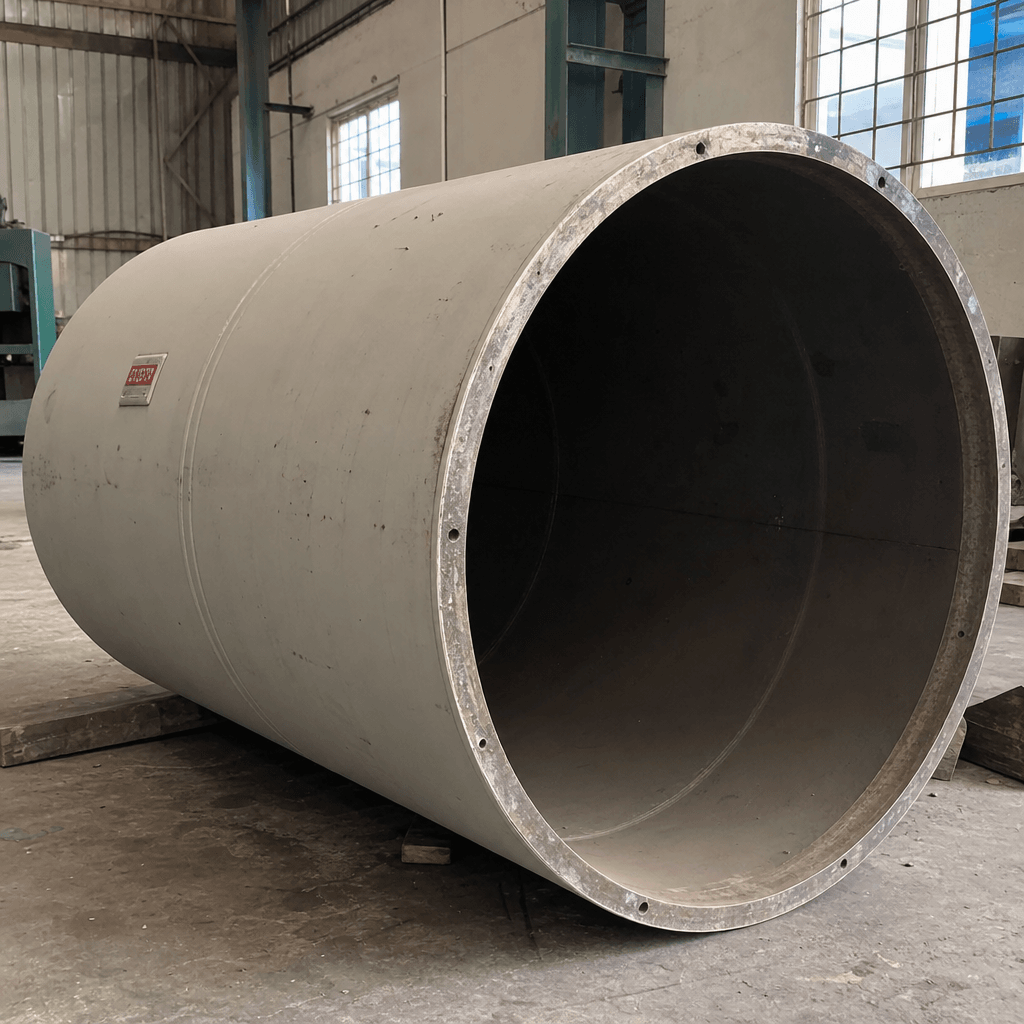 Fabrication
Drum Shell
Precision-rolled cylindrical shell forming the structural and thermal core of the AVL-DMP drum dryer-mixer.
Details & enquiry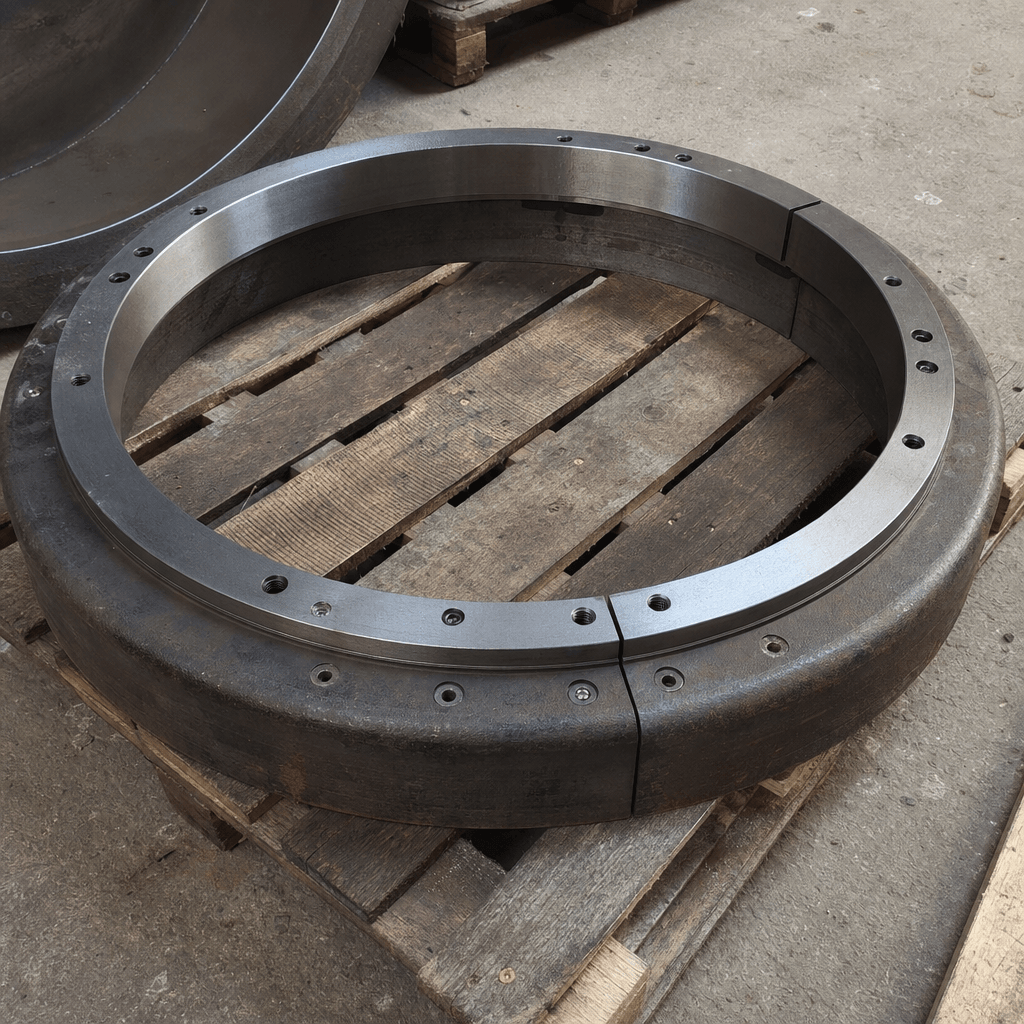 Fabrication
Segment / Riding Ring
Heavy-duty cast steel riding ring providing the drum's primary rotating bearing surface on trunnion rollers.
Details & enquiry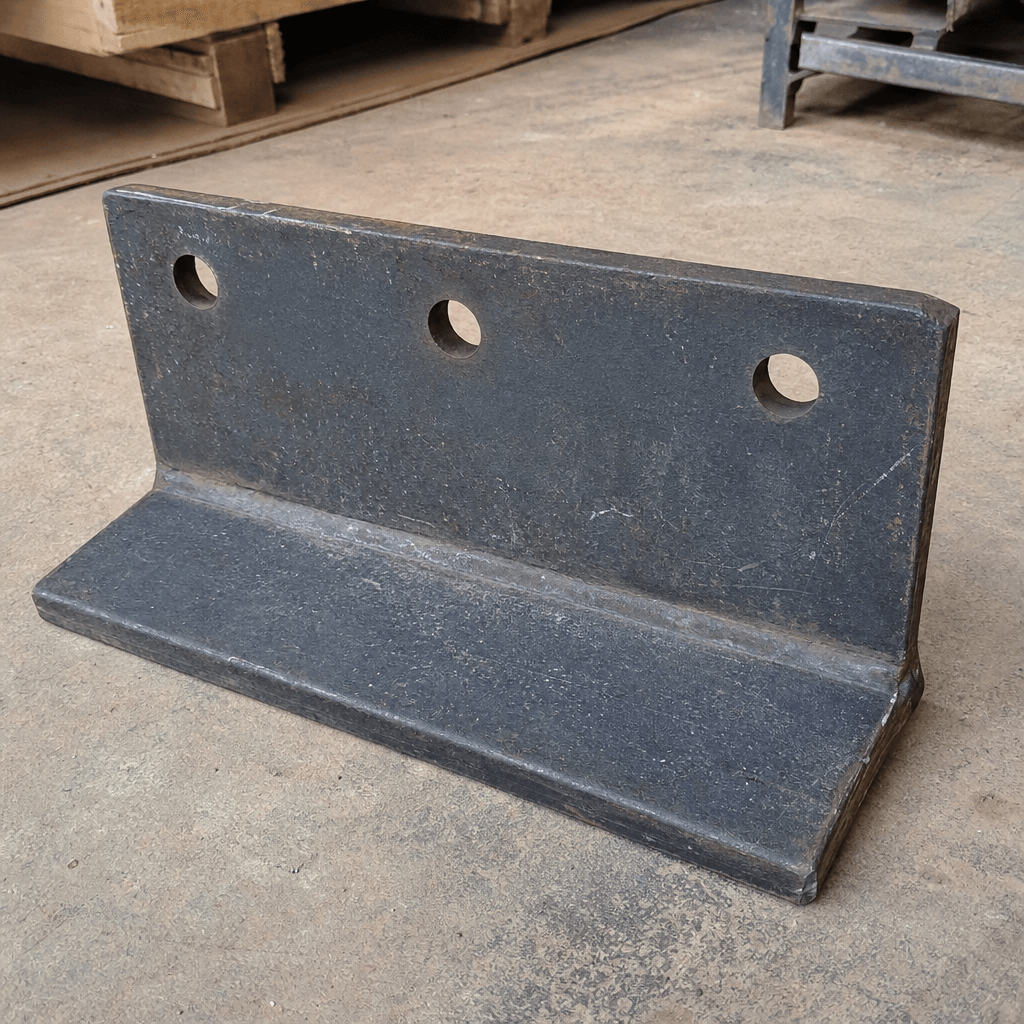 Fabrication
Dryer Lifting Flights
Wear-resistant internal flights that cascade aggregate through the drying zone for maximum heat transfer efficiency.
Details & enquiry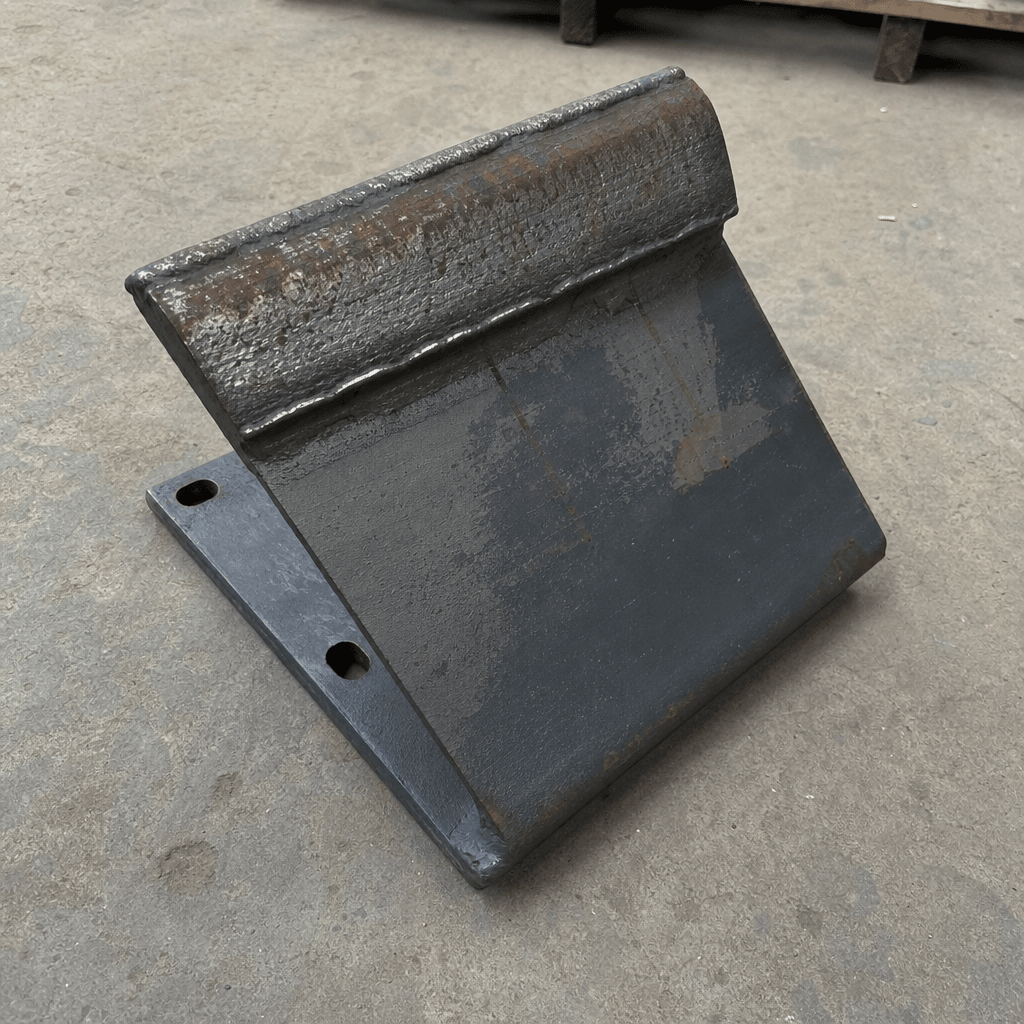 Fabrication
Mixing Flights
Specially profiled internal flights that tumble heated aggregate with bitumen in the drum mixing zone.
Details & enquiry