
 1 / 3
1 / 3Avelta genuine part · AVL-BPD
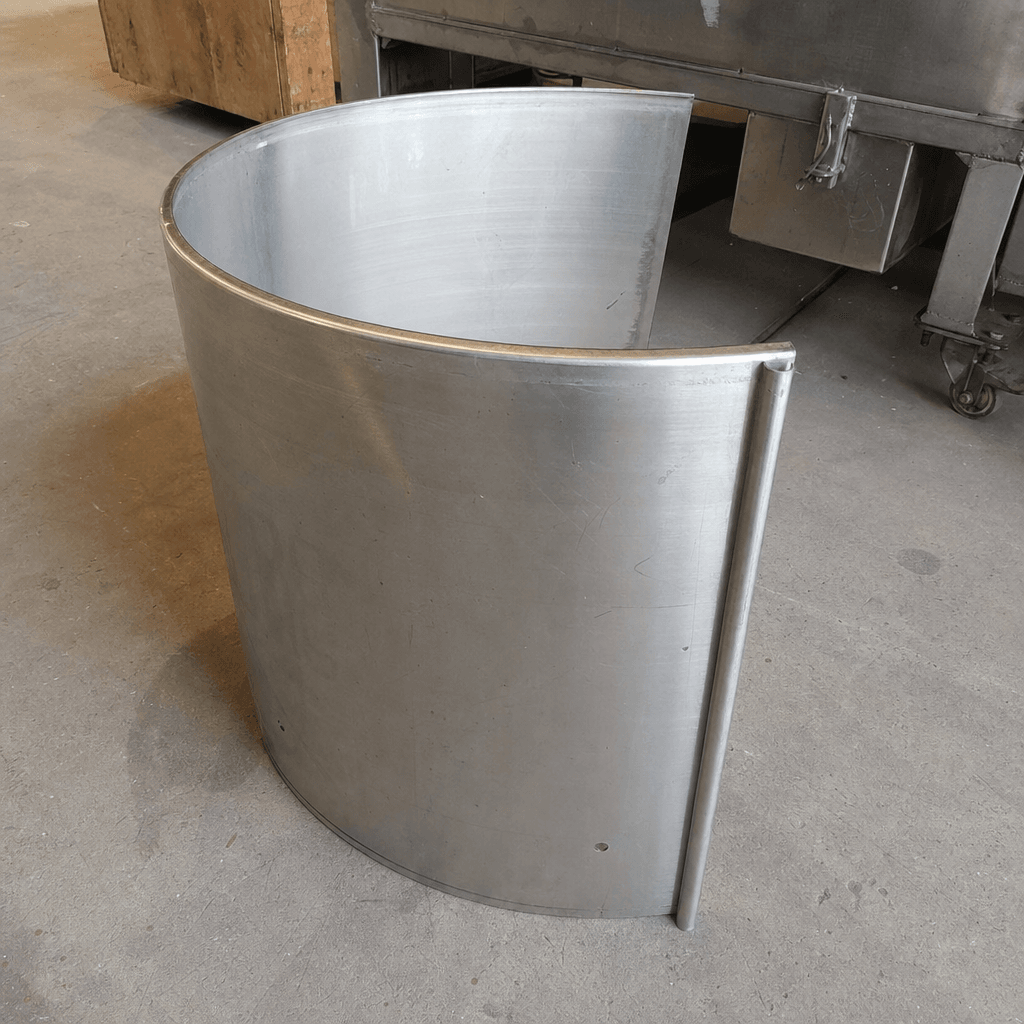
Tank Outer Insulation Cladding Panel (Stainless Steel)
Precision-formed stainless steel outer cladding panel that encases and protects the tank insulation blanket, preserving spray temperature and reducing auxiliary fuel consumption.
Enquire about this part
Fast response · genuine fitment · worldwide dispatch
At a glance
| Base material | Grade 304 stainless steel (Grade 316 for high-heat rear zones) |
|---|---|
| Panel thickness | 1.0 mm nominal (±0.05 mm) |
| Outer surface finish | 2B mill finish standard; brushed 2D on export specification |
| Typical panel width | 400–600 mm (15.7–23.6 in) depending on tank zone |
| Continuous service temperature | Up to 250 °C (482 °F) panel surface |
| Fastener system | M5 stainless self-tapping screws or 4.8 mm stainless blind rivets |
| Approximate coverage per panel | 0.5–0.8 m² per section |
| Approximate panel weight | 1.8–3.2 kg (4.0–7.1 lb) depending on section size |
Overview
The Tank Outer Insulation Cladding Panel forms the outermost protective skin of the bitumen storage tank on the AVL-BPD distributor. Fitted over the mineral-wool or ceramic-fibre insulation blanket that surrounds the tank shell, the panel acts simultaneously as a mechanical guard and a weather barrier, preventing moisture ingress, physical impact damage, and UV degradation of the insulation material beneath. Panels are profiled to wrap the cylindrical or rectangular tank profile with minimal air gaps, and are secured with stainless-steel fasteners into a galvanised or stainless support frame that is welded to the tank outer structure.
Because a bitumen pressure distributor is a mobile, road-going plant, the cladding must withstand vibration, road-dust abrasion, thermal cycling, and occasional fuel or bitumen spill without lifting, corroding, or allowing water to track into the insulation. Avelta supplies these panels as individual replaceable sections rather than a one-piece jacket, enabling a single damaged zone to be replaced on site without stripping the entire thermal envelope.
Function
The cladding panel's primary duty is to contain and protect the insulation blanket so that the blanket retains its design thermal resistance over the service life of the plant. Bitumen must be maintained at a target spray temperature — typically 150–180 °C for penetration-grade bitumen — without continuous burner operation between spray passes. A saturated, displaced, or mechanically compressed insulation layer can raise heat loss through the tank wall by 30–60%, forcing the burner to fire more frequently, increasing fuel consumption, and accelerating wear on the burner assembly and flue components. An intact cladding system keeps the insulation dry and correctly positioned, minimising tank surface heat loss and holding the bitumen at viscosity for repeatable, uniform spray application. The panels also provide the external surface for plant identification markings, warning labels, and spray-width calibration decals.
Construction & quality
Panels are cold-pressed from 1.0 mm nominal Grade 304 austenitic stainless steel sheet certified to EN 10088-2 or equivalent, offering resistance to bitumen spill, diesel fuel, road salt, and atmospheric corrosion without surface treatment on the inner face. Each panel is formed on a CNC press brake to match the specific tank radius or flat-face profile; edges are deburred and flanged to create a positive overlap seal between adjacent sections and to eliminate exposed sharp edges. The outer face is supplied in 2B mill finish as standard; an optional brushed 2D finish is available for export specification where enhanced scratch resistance is required. Fastener holes are punch-formed and de-burred to accept M5 stainless self-tapping screws or 4.8 mm stainless steel blind rivets. On tanks where the diesel or thermal-oil burner flue exits in proximity to the rear panel quadrant, Grade 316 stainless is supplied as standard to resist elevated chloride and oxidation exposure. All panels are laser-cut or guillotine-cut to a net shape derived from the AVL-BPD tank-envelope drawing registered to the unit serial number, ensuring consistent flush fit on replacement without field trimming.
When to replace
- Visible surface corrosion, pitting or perforation of the stainless skin, particularly at fastener points or panel overlaps
- Panel deformation, denting or partial separation from the support frame allowing the insulation blanket to shift, compress or become exposed
- Moisture seeping into or visibly saturating the insulation blanket at panel seams or joints, evident as rust staining on the underlying tank shell
- Abnormally rapid temperature drop in the bitumen tank during work halts, or noticeably increased burner firing frequency, indicating insulation thermal resistance has been compromised
- Loose, missing or corroded fasteners causing panel rattle during road transit or audible panel lift at highway speed
Compatibility & fitment
Panels are profiled to suit AVL-BPD distributor tanks across the 4,000 litre to 12,000 litre (880 to 2,640 Imp gal) range; Avelta supplies both OEM-specification panels and made-to-measure replacement sections matched to the customer's unit serial number and tank-envelope drawing.
Why buy from Avelta
Avelta cladding panels are cut and formed from certified Grade 304 or 316 coil stock to the original tank-envelope tolerances, ensuring gap-free overlap and full insulation coverage from first fitment. Panels are dispatched worldwide with dimensional documentation and fastener hardware, allowing site installation without specialist tooling.
Need this part shipped?
Tell us your plant model and destination — we'll confirm fitment, price and lead time.
WhatsApp AVL-BPD-17More Bitumen Pressure Distributor parts
View all →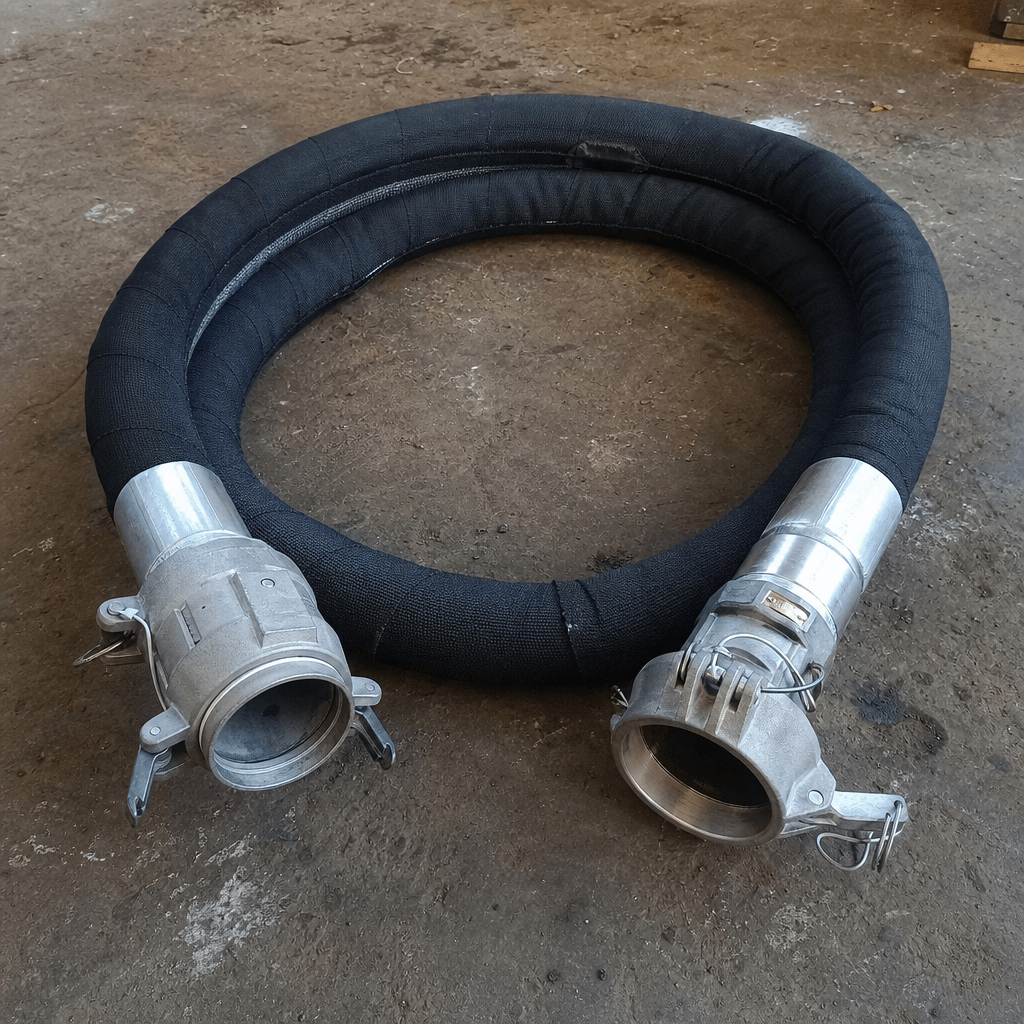 Tank & Insulation
Fill / Discharge Hose Assembly with Camlock Coupling
Insulated high-temperature bitumen transfer hose with camlock couplings for fast, spill-free tanker connection.
Details & enquiry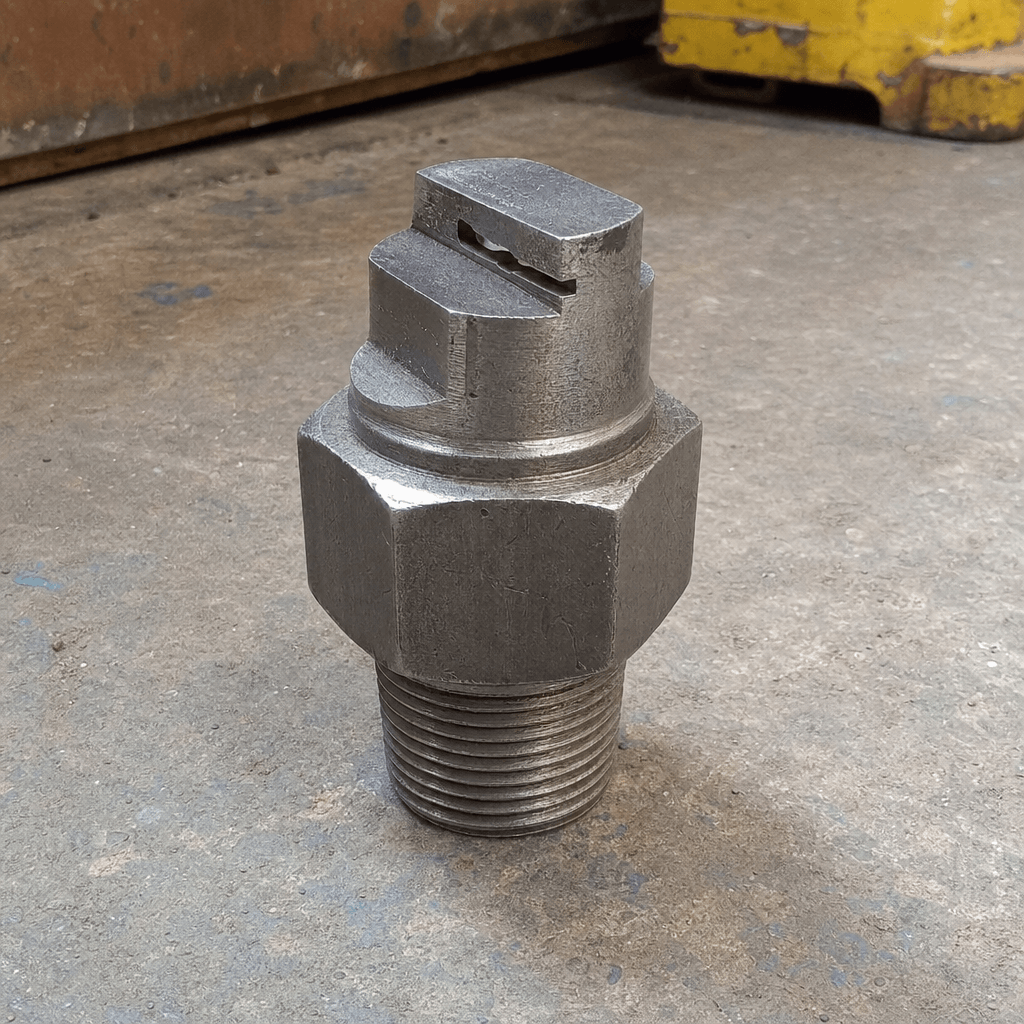 Spray System
Spray Bar Flat-Fan Nozzle Set
Precision flat-fan nozzles delivering uniform bitumen coverage across the full spray bar width.
Details & enquiry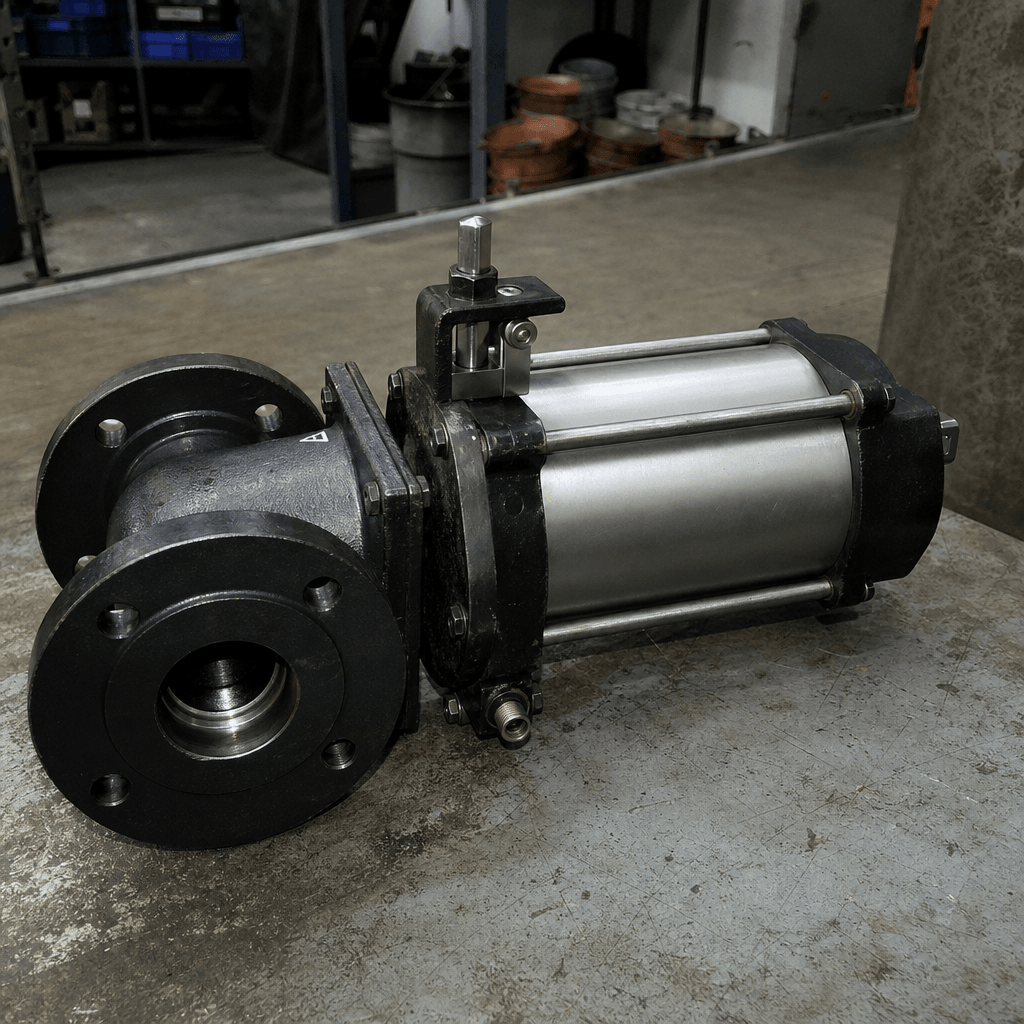 Spray System
Spray Bar Section Valve
Pneumatically or hydraulically actuated section valve for precise boom-width control and clean spray cutoff.
Details & enquiry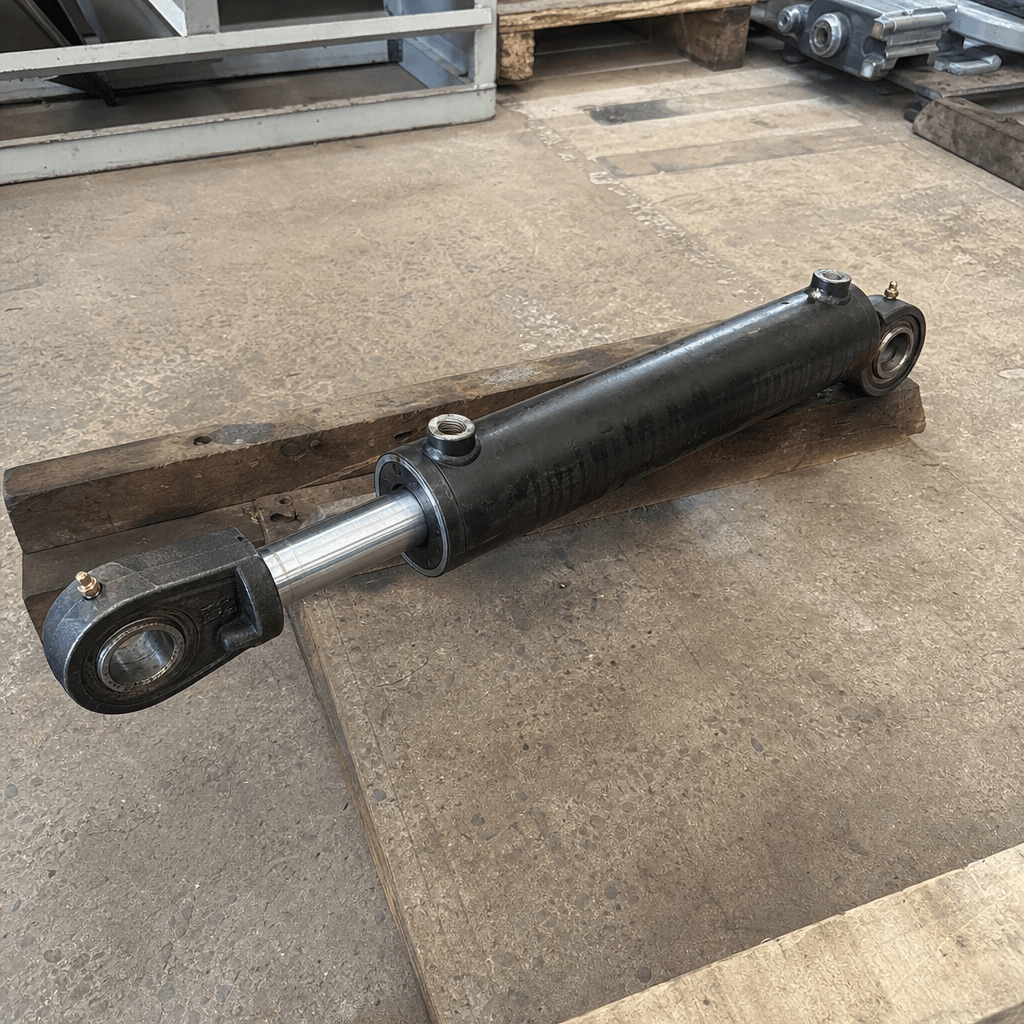 Spray System
Spray Bar Hydraulic Fold Cylinder
Double-acting hydraulic cylinder that raises, lowers and folds spray bar wings safely and repeatably.
Details & enquiry