
 1 / 3
1 / 3Avelta genuine part · AVL-CBP
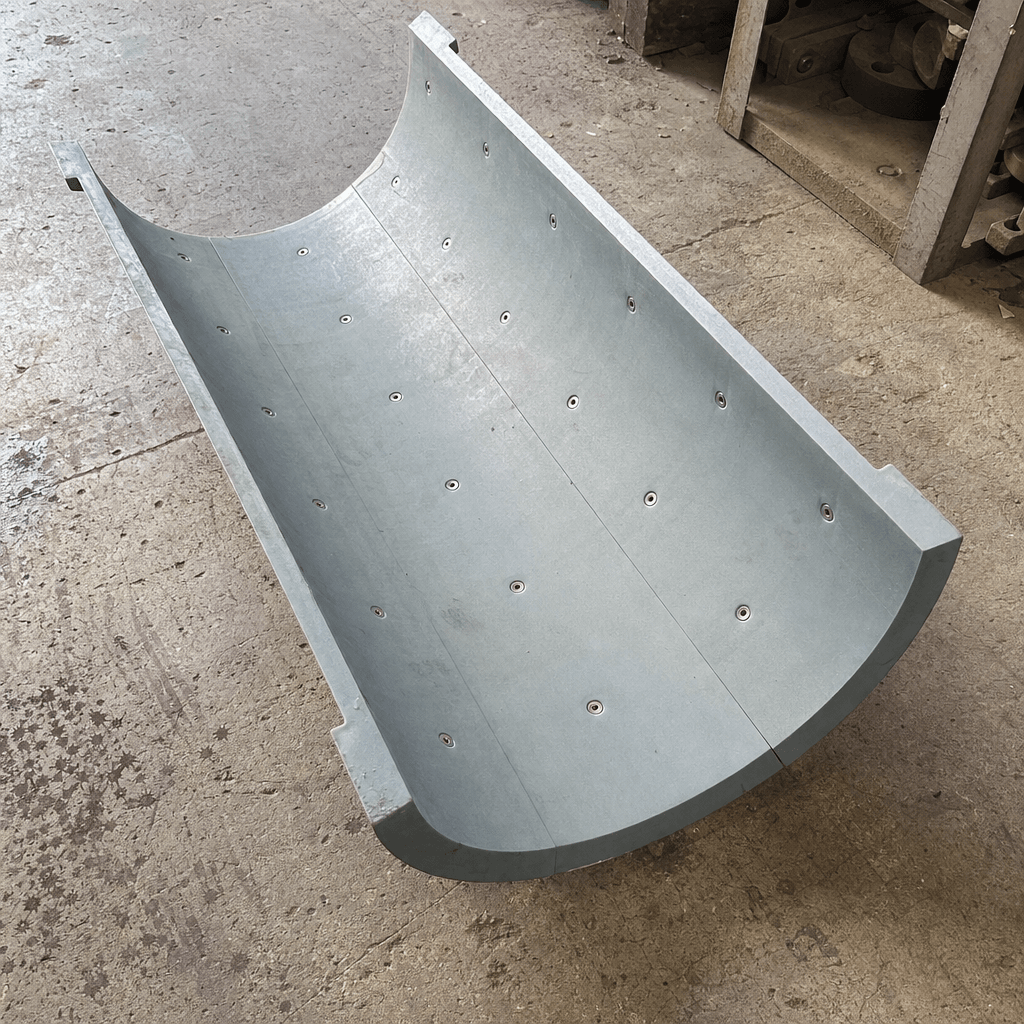
Concrete Discharge Chute Liner
Sacrificial abrasion-resistant liner protecting the discharge chute inner trough from wear by freshly mixed concrete.
Enquire about this part
Fast response · genuine fitment · worldwide dispatch
At a glance
| Liner Material Options | Polyurethane (Shore 90A–95A) or AR450 steel (420–480 HBW) |
|---|---|
| Liner Thickness — Polyurethane | 12 mm, 16 mm, 20 mm |
| Liner Thickness — AR450 Steel | 6 mm, 8 mm, 12 mm |
| Dimensional Tolerance | ±1 mm to OEM chute inner profile |
| Fasteners | M12 / M14 recessed stainless-steel bolts, flush-fit |
| Inner Chute Width Coverage | 300 mm to 600 mm (plant-specific) |
| Surface Finish — Steel Panels | Red-oxide primer, 40 µm DFT |
| Temperature Resistance — Polyurethane | −20 °C to +80 °C (−4 °F to +176 °F) continuous service |
Overview
The concrete discharge chute liner is a wear-facing component bonded or bolted to the inner trough of the discharge chute through which mixed concrete travels from the twin-shaft or planetary mixer to the waiting transit mixer truck or concrete skip. In a production-grade batching plant the chute handles a continuous succession of 1–6 m³ batches at discharge rates that can reach 1 m³ per 10–15 seconds; fresh concrete carrying Portland cement paste, fine sand, and coarse aggregate up to 40 mm nominal size exerts a highly abrasive and chemically alkaline flow against the chute walls.
The liner is designed as a sacrificial surface layer, protecting the structural steel chute body from progressive material loss while presenting a smooth, low-adhesion surface that minimises concrete build-up and prevents segregation during discharge. It is supplied in segmented panel form for straightforward on-site replacement without removing the chute assembly from the plant.
Function
By absorbing the abrasion and impact of aggregate particles entrained in the concrete flow, the liner prevents progressive wall thinning that would eventually perforate the chute body, spill concrete onto the truck cab area or plant floor, and force an unplanned structural repair. A smooth, intact liner surface also reduces the residence time of concrete in the chute, limiting early stiffening and the risk of residual hardened material forming a restriction between batches. Maintaining liner specification directly supports cycle time, site cleanliness, and planned-maintenance scheduling — each factor with a measurable effect on the plant's effective m³/h output.
Construction & quality
Liner panels are available in two material systems to match plant throughput and aggregate hardness. For plants producing standard structural concrete with aggregate not exceeding 20 mm, high-density polyurethane liners (Shore 90A–95A) are cast to the OEM chute profile, UV-stabilised, and mechanically fastened with recessed stainless-steel inserts for a flush surface. For high-throughput plants or where aggregate exceeds 25 mm nominal size, AR450 abrasion-resistant steel panels (420–480 HBW) are laser-cut, press-formed to the chute curvature, and primer-coated. Liner thickness is 12–20 mm for polyurethane grades and 6–12 mm for AR450 steel grades, selected according to chute angle, batch size, and aggregate specification. All segments are dimensioned to the OEM chute inner profile within ±1 mm tolerance; mounting is via M12 or M14 recessed fasteners to maintain a smooth, snag-free flow surface that discourages paste retention.
When to replace
- Visible grooving or pitting on the liner flow face reducing residual section thickness below 4 mm for steel panels or 6 mm for polyurethane panels.
- Concrete adhering persistently to the liner surface between wash-down cycles, indicating surface degradation and increased porosity or roughness.
- Audible scraping or dragging sound during concrete discharge, suggesting a liner segment has lifted, cracked, or partially detached.
- Concrete leakage at liner panel joints or around fastener holes, indicating panel edge failure, fastener loosening, or perforation of the liner.
- Increased frequency of hardened concrete obstructions inside the chute between production shifts, indicating that surface roughness is retaining cement paste.
Compatibility & fitment
Available for AVL-CBP plants from 30 m³/h to 180 m³/h with single or twin-outlet chute configurations; Avelta supplies both OEM-specification and wider-tolerance replacement liners matched to chute geometry, mixer type, outlet count, and aggregate size specification of the customer's unit.
Why buy from Avelta
Avelta discharge chute liners are formed and cast to OEM chute geometry with certified material data sheets supplied for each liner grade; both polyurethane and AR450 steel variants are held in stock for same-week global dispatch, minimising the cost of unplanned downtime on live projects.
Need this part shipped?
Tell us your plant model and destination — we'll confirm fitment, price and lead time.
WhatsApp AVL-CBP-18More Concrete Batching Plant parts
View all →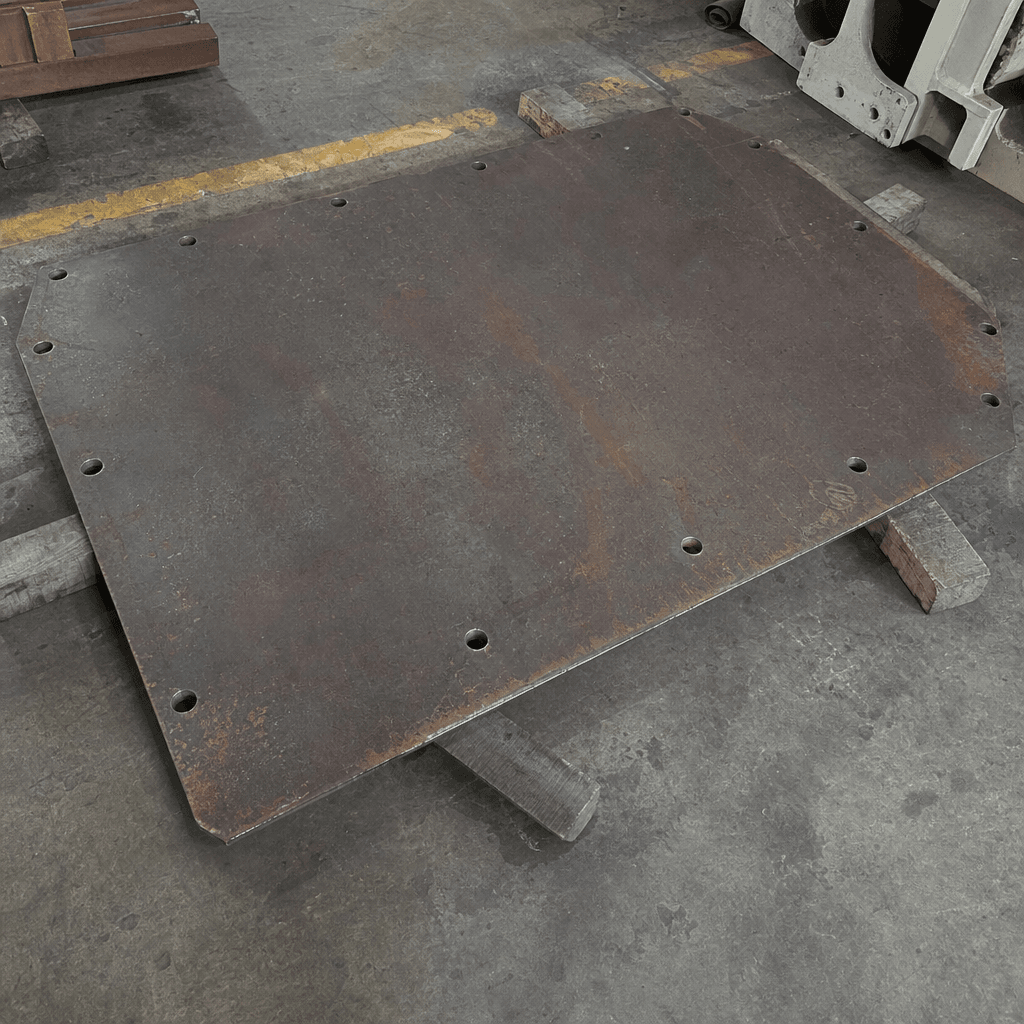 Fabrication
Aggregate Bin Floor Wear Plate
High-hardness AR steel wear plate that shields the aggregate storage bin floor from abrasive impact and sliding wear.
Details & enquiry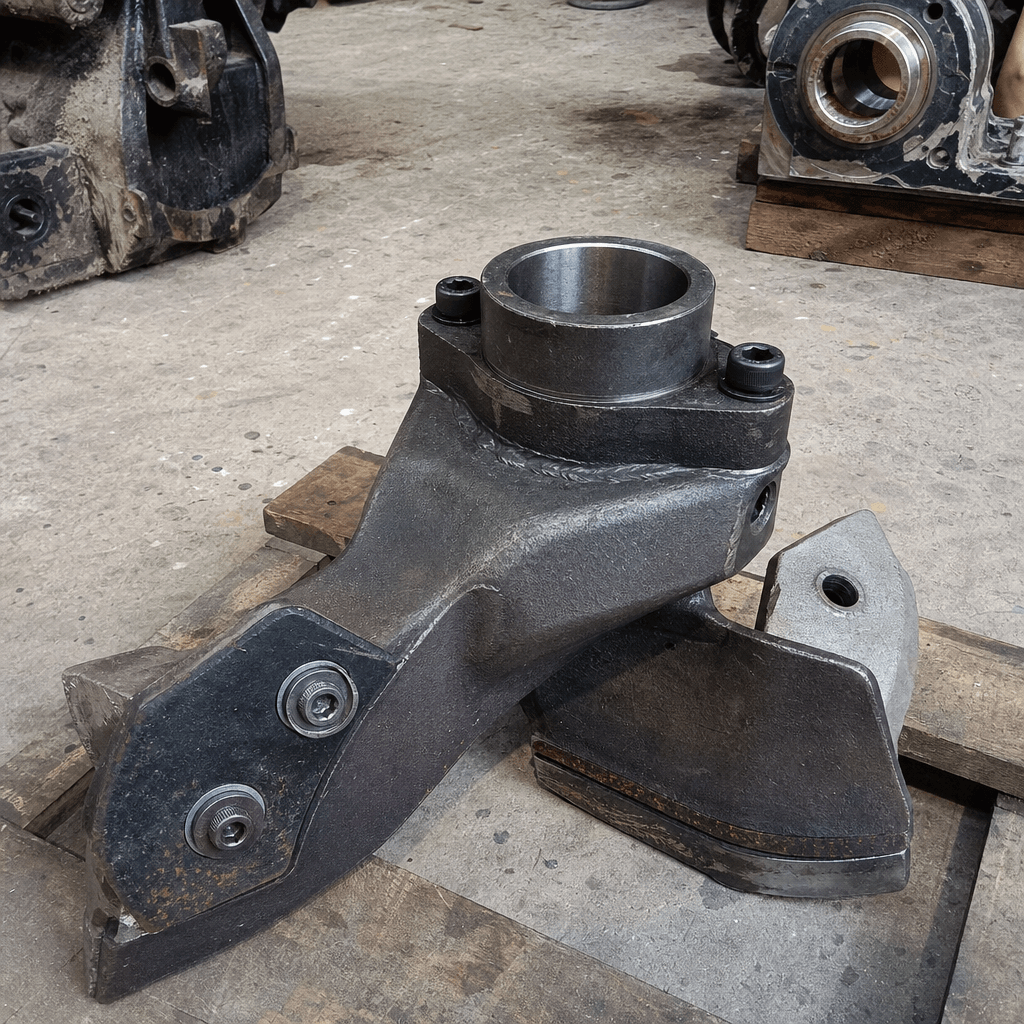 Mixing Unit
Twin-Shaft Mixing Arm Assembly
Hadfield Mn13 and Hardox-tipped mixing arm pairs for AVL-CBP twin-shaft mixers — precision-balanced for uniform, high-intensity concrete production.
Details & enquiry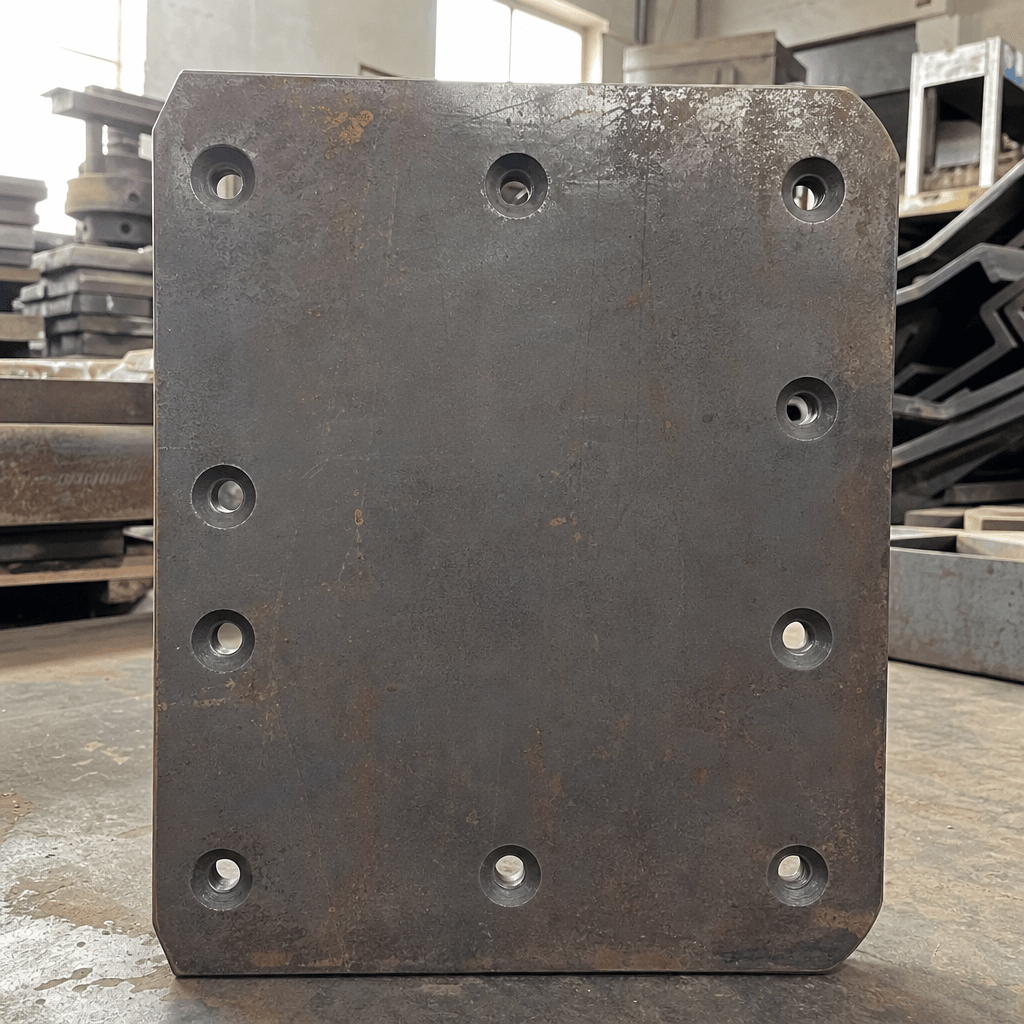 Mixing Unit
Mixer Trough Liner Plate
Hardox 400/450 wear liner plate sets protecting the mixer trough floor and sidewalls from aggregate abrasion on AVL-CBP plants.
Details & enquiry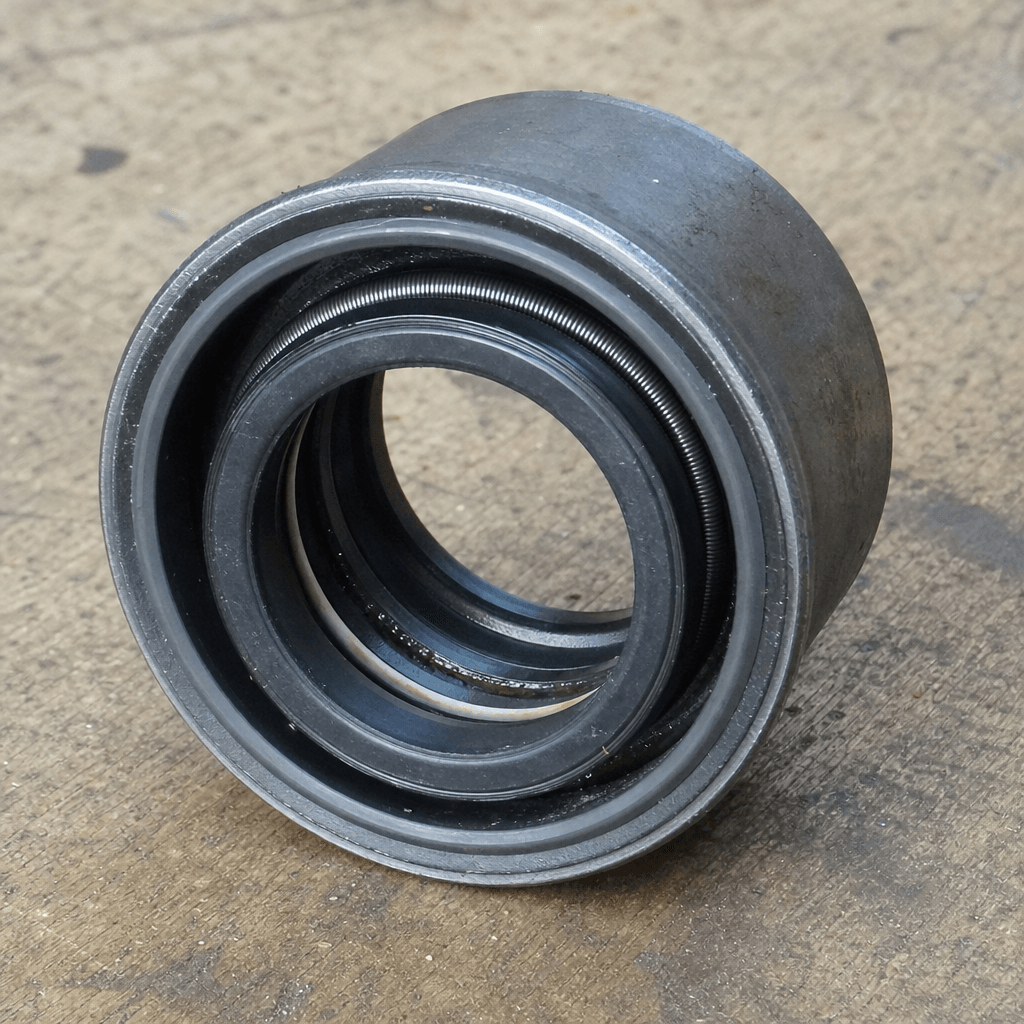 Mixing Unit
Mixer Shaft End Oil Seal
Multi-lip NBR/PTFE rotary seal preventing cement slurry ingress and lubricant loss at AVL-CBP mixer shaft bearing housings.
Details & enquiry